Spotify adds verified badges to distinguish real artists from AI
▼ Summary
– Spotify is rolling out a “Verified by Spotify” badge to help listeners identify authentic human artists, with profiles primarily representing AI-generated music ineligible.
– To qualify, artists need an identifiable presence both on and off the platform, such as concert dates and linked social accounts, plus consistent listener activity over time.
– Over 99% of actively searched-for artists, mostly independent and diverse, will be verified at launch, with badges appearing on profiles and in search results.
– Spotify is prioritizing artists with active fan interest and notable music contributions over “functional music” creators designed for passive listening.
– The update is part of Spotify’s efforts to address AI-generated content, following Sony Music’s removal requests for over 135,000 AI impersonation tracks.
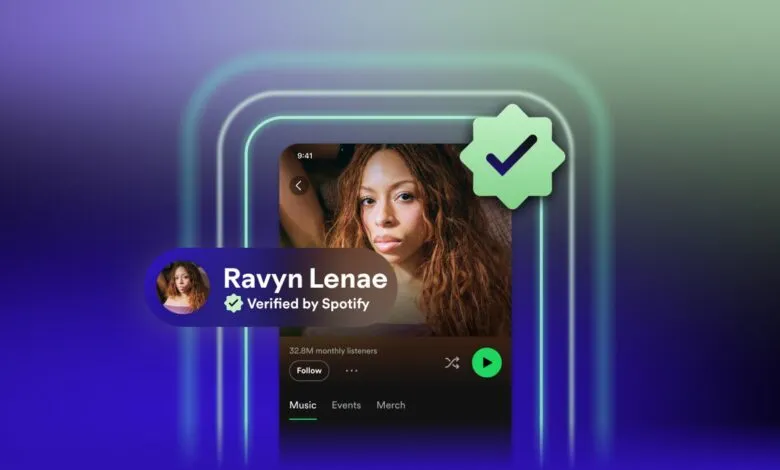
As AI-generated music and synthetic artist profiles continue to multiply across streaming services, Spotify is introducing a new Verified by Spotify badge designed to help listeners distinguish genuine human artists from AI creations.
To qualify for the badge, artists must demonstrate a clear and identifiable presence both on and off the platform. This includes having concert dates, merchandise, and linked social media accounts on their artist profile. Profiles that primarily feature AI-generated music or represent AI-persona artists will not be eligible for verification.
Beyond external signals, Spotify requires a history of consistent listener engagement over time. The platform is prioritizing profiles that attract sustained, organic interest rather than those experiencing temporary spikes in activity. According to Spotify, more than 99% of artists that users actively search for will receive verification at launch, with the majority being independent artists spanning a wide range of genres, career stages, and geographic regions.
Users can expect to see the new badge appearing on artist profiles and alongside artist names in search results in the coming weeks. Each badge will display the text “Verified by Spotify” paired with a green checkmark. Given the enormous volume of profiles on the platform, verification will be rolled out gradually, and the absence of a badge does not mean a profile will never receive one.
Spotify is focusing its efforts on artists with active fan bases and meaningful contributions to music culture, rather than creators of functional music,algorithm-optimized tracks designed for passive listening, such as background or focus playlists.
“We’ve designed this new verification program thoughtfully with listeners and artists in mind, and we’ll continue to evolve this program over time,” Spotify stated in a blog post. “Our goal is to make it easier for you to trust and understand the human artistry behind the music you listen to on Spotify, and develop long-term, meaningful connections with the artists and music you love.”
In addition to the verification badge, Spotify is launching a new profile section in beta for all artist profiles. This section will highlight career milestones, release activity, and touring history, giving users a quick way to gauge an artist’s authentic activity even if they haven’t yet qualified for the verification badge.
These updates represent Spotify’s latest move to combat the rise of low-quality AI-generated content and impersonators on its platform. Last month, the company began beta testing an Artist Profile Protection feature that allows artists to review releases before they appear on their profiles, giving them greater control over which tracks are associated with their name. This feature launched shortly after Sony Music requested the removal of more than 135,000 AI-generated songs impersonating its artists across streaming services.
While Spotify has not disclosed specific numbers regarding AI-generated tracks on its platform, rival streaming service Deezer reported last week that AI-generated music now accounts for 44% of all new music uploaded to its platform daily.
(Source: TechCrunch)