Anthropic Seeks Entry Into Hardware AI Interface Market
▼ Summary
– Samuel Beek built a faulty electric door opener using ChatGPT instructions, causing a power surge that blew all his house fuses.
– This experience led him to develop Schematik, an AI assistant he describes as “Cursor for Hardware” for building physical devices.
– Schematik provides users with a complete parts list and assembly guide for their desired project, with a shopping list feature in development.
– The project recently secured $4.6 million in funding from Lightspeed Venture Partners and is currently available for public use.
– Early users like Marc Vermeeren have successfully built various devices with it, including an MP3 player and a custom AI assistant bot.
When a homemade electric door opener designed with ChatGPT’s guidance blew every fuse in his Amsterdam home, Samuel Beek realized a critical gap existed in how AI assists with physical creation. The experience highlighted a fundamental challenge: large language models often lack the deep, contextual understanding of hardware required to translate digital instructions into safe, functional real-world devices. This incident sparked the development of a new tool aiming to become the essential interface between conceptual ideas and tangible electronics.
Beek shifted his approach to Anthropic’s Claude, leveraging its advanced reasoning to build a specialized assistant he named Schematik. He describes it as “Cursor for Hardware,” a platform designed for what he calls vibe coding for physical devices. Users describe a project they want to build, and the program generates a comprehensive plan. It suggests necessary components, provides wiring diagrams, and offers step-by-step assembly guidance. Beek is further developing the tool to include integrated shopping lists, allowing makers to source parts directly.
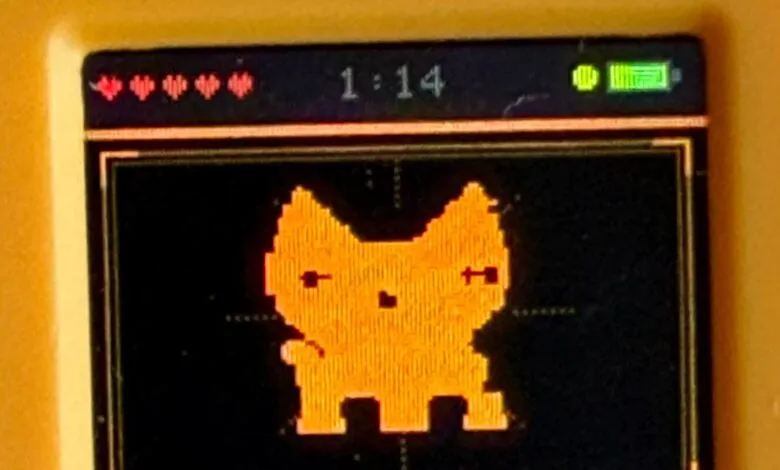
The concept quickly gained momentum after Beek shared it online earlier this year, attracting a community of tinkerers. Early adopters have successfully prototyped a range of gadgets, from custom audio players to interactive bots. Marc Vermeeren, a branding lead at a European AI firm, used Schematik to build several devices, including an MP3 player and a Tamagotchi-style companion named Clawy that helps manage his coding sessions with Claude. The open-ended design has inspired creative variations, including a Clawy modeled after a famous television character.
This demonstrated demand has translated into significant financial backing. Schematik recently secured $4.6 million in venture capital funding from Lightspeed Venture Partners, validating the market need for sophisticated AI hardware interfaces. While Beek plans to develop a sustainable business model, the tool remains accessible for anyone to start building immediately. His vision moves beyond simple code generation toward creating AI that deeply comprehends the physical constraints and electrical principles of engineering, ensuring the next project powers a device, not a blown fuse.
(Source: Wired)