Microsoft Surface PCs Face RAM Shortage Crisis
▼ Summary
– Microsoft silently increased prices across its entire Surface PC lineup by $100 to $500, making its devices less affordable.
– The company cited recent increases in memory and component costs as the reason for the price hikes.
– These hikes occur as Microsoft’s hardware business faces challenges, with its personal computing division already declining due in part to Xbox performance.
– The current Surface models now appear outmoded and overpriced compared to newer competitor laptops with better specifications.
– A broader industry memory shortage, driven by AI datacenter demand, is raising costs and hindering the ability to produce budget PCs competitive with Apple’s MacBook Neo.
A significant surge in memory costs is reshaping the competitive landscape for premium Windows devices. Microsoft has implemented substantial price increases across its entire Surface lineup, a move that threatens its ability to offer compelling alternatives to Apple’s value-oriented offerings. This strategic shift, driven by global component shortages, arrives at a challenging moment for the company’s broader hardware ambitions.
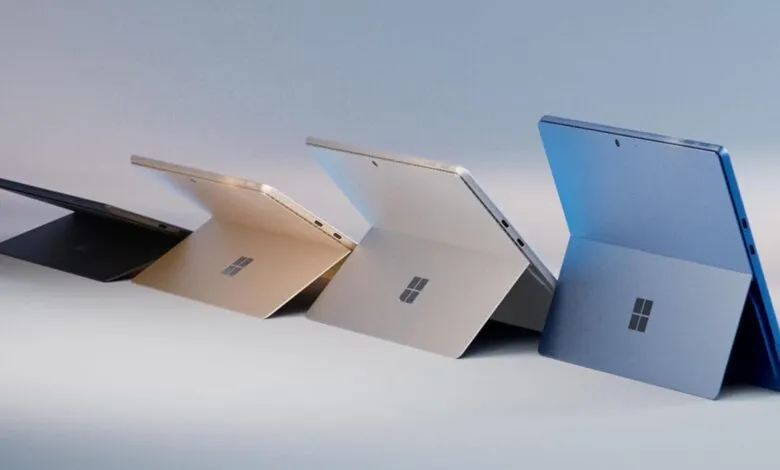
Industry observers first noted the updated pricing on Monday. The adjustments are far from trivial. For instance, the 12-inch Surface Pro introduced last year for $800, a price that did not include the essential keyboard, now carries a $1,050 tag. Similarly, the 13-inch Surface Pro 2-in-1 from 2024, powered by a last-generation Snapdragon X Plus chip, has seen its starting price jump from $1,000 to $1,500, again excluding the separate keyboard accessory. Microsoft confirmed to reporters that rising memory and component costs are directly responsible for these increases.
The timing of this decision is particularly precarious. Microsoft’s personal computing segment, which includes Surface, Windows, and Xbox, already reported a 3% year-over-year decline in its last earnings statement, with the gaming division cited as a primary drag. Making Surface PCs increasingly unaffordable risks further depressing hardware sales. A review of the Microsoft Store reveals the new reality: the entry-level 13-inch Surface Laptop with a Snapdragon X Plus, 16GB of RAM, and 256GB storage now starts at $1,200, a $300 increase from last year. Larger configurations have seen prices climb to $1,500 and $1,600.
Compounding the issue is the fact that these machines are now technologically behind the curve. Current Surface models are based on platforms that have been superseded by newer Intel and Qualcomm architectures. When a consumer can purchase a competitor’s laptop, like an Asus Zenbook with a superior Snapdragon X2 Elite Extreme chip, 48GB of RAM, and 1TB of storage for $1,700, a similarly priced Surface with older specs and only 16GB of RAM becomes a hard sell. Notably, Microsoft appears to have removed options for configurations with more than 16GB of RAM entirely.
This market pressure stems from a global memory shortage, largely fueled by insatiable demand for high-performance RAM in AI data centers. The ripple effects are upsetting the traditional PC market dynamics. Microsoft finds itself unable to field any device that can realistically compete with a MacBook Neo at the $600 price point. While there is speculation about new Surface models launching this spring, the current pricing strategy may well establish a troubling precedent for all upcoming laptops based on Intel and Qualcomm chips. The dream of affordable, high-quality Windows hardware is being stifled, not by a lack of innovation, but by the soaring cost of memory.
(Source: Gizmodo.com)