Zero-Click Searches Reshape Marketing Funnels
▼ Summary
– The traditional search model is eroding as approximately 80% of consumers now use “zero-click” results for at least 40% of their searches, reducing organic web traffic by 15-25%.
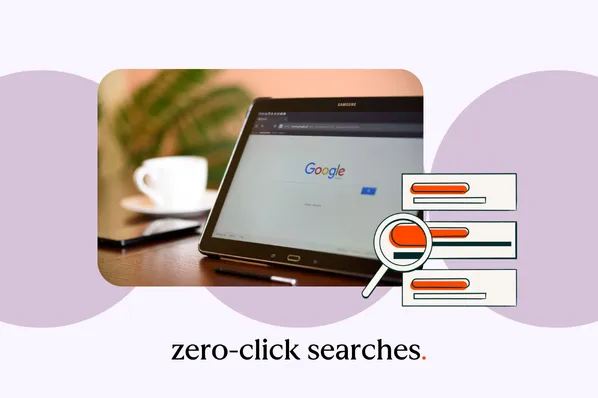
– Zero-click searches occur when users get answers directly on the search results page via AI Overviews, featured snippets, or other rich results without clicking through to a website.
– This shift changes marketing by making the search results page a key arena for brand awareness and consideration, compressing the early stages of the buyer’s journey.
– Marketers should adapt by focusing on Answer Engine Optimization (AEO), which involves optimizing content to earn citations and placements in these zero-click answer surfaces.
– Key adaptation strategies include shifting KPIs to track SERP impressions and citations, formatting content to lead with direct answers, and implementing structured data like FAQ schema.
The traditional search marketing model, where a high ranking guaranteed a click and a site visit, is fundamentally breaking down. Research indicates a significant portion of consumer searches now end directly on the results page, reshaping how brands must think about visibility and success. This shift demands a new strategic approach focused on answer engine optimization to capture value even when users don’t click through.
Recent analysis reveals that approximately 80% of consumers rely on these zero-click search outcomes for a large share of their queries. For businesses, this behavioral change is reducing organic website traffic by an estimated 15% to 25% on average. The central question for modern marketing teams is no longer just about driving clicks, but about mastering presence within the search engine results page itself.
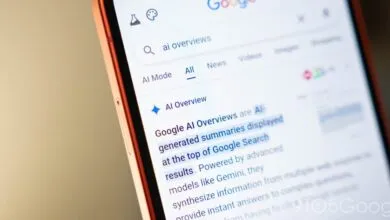
Zero-click searches happen when a user’s question is answered directly through features like AI Overviews, featured snippets, or People Also Ask boxes. While convenient for users, this dynamic presents both a challenge and an opportunity for brands. The goal of answer engine optimization is to earn citations and summaries for your content within these rich results, building influence in a landscape where the click is no longer the sole currency.
The impact on marketing is profound. Industry data shows over 27% of searches now conclude without a click, and AI-powered results are predicted to dominate. This alters core marketing metrics, as stable impression data in analytics tools may mask a decline in actual referral traffic. However, this visibility is not without value. Consistent citation in authoritative answers builds brand recognition and recall, priming potential customers with trust before they ever land on a site.
This evolution disrupts the classic marketing funnel. The early stages of awareness and consideration increasingly occur on the SERP. A user researching a topic may form their initial brand shortlist based solely on which companies are cited in an AI-generated summary. In the consideration phase, featured snippets and PAA boxes provide the depth of research that once required multiple website visits. The strategic imperative shifts from forcing a click to becoming the recurring right answer.
For the conversion stage, the path remains more familiar for queries with clear commercial intent, such as those containing “buy” or “demo.” These are less likely to trigger extensive AI overviews, making sustained investment in paid search and SEO still critical. Yet the journey to that point is now longer, with more education and evaluation happening without direct site engagement.
Adapting requires a fundamental shift in strategy and measurement. Teams must move beyond organic sessions as a primary key performance indicator. Success should be measured through a new lens, tracking SERP impression share, branded search volume, and AI citation frequency. When leadership questions traffic trends, this data demonstrates growing influence even as click-through rates evolve.
Content formatting must also change. To compete for zero-click visibility, structure your material to lead with direct answers. Open sections with a concise response to the user’s implicit question before providing supporting detail. Use headers phrased as questions and employ definition boxes, tables, and lists, formats that search algorithms consistently favor for rich results. Implementing structured data, like FAQ and Article schema, is essential for signaling content relevance to AI systems.
Local businesses have a particularly high-leverage opportunity through local SEO. Optimizing a Google Business Profile and earning positive reviews can secure placement in the local map pack, a powerful zero-click touchpoint. Furthermore, brands must optimize their presence on third-party channels that AI systems trust, such as industry publications, review platforms, and authentic community forums. Consistency across these sources builds the credibility needed for citation.
A strategic pivot also involves focusing content efforts on commercial intent. While purely informational queries are increasingly answered without a click, comparison content, original research, and interactive tools remain effective at driving engagement. The decision to pursue zero-click visibility for a keyword should balance commercial potential with the uniqueness of the answer you can provide.
Measuring the impact of this approach requires a new framework. Beyond click-through rate, track your ownership rate of featured snippets and AI overviews for target queries. Monitor how branded search volume correlates with SERP feature wins and analyze how traffic from these zero-click sources influences pipeline and conversion rates. Establishing a monthly review cadence for these metrics is crucial for ongoing optimization.
Ultimately, answer engine optimization represents the necessary evolution of search strategy. It integrates the principles of traditional SEO with new tactics designed for AI-driven discovery. By formatting content for answers, implementing strategic schema, and measuring brand influence, businesses can turn the challenge of zero-click search into a sustained competitive advantage.
(Source: Hubspot.com)