Reggie Fils-Aimé on Nintendo Switch 2, Leadership, and the Console War
▼ Summary
– Reggie Fils-Aimé observed the Switch 2 launch as a fan, having purchased the console himself and playing games like Zelda: Tears of the Kingdom.
– He believes Nintendo will never directly compete with PlayStation but welcomes AAA third-party games on Switch 2 if they perform well and look good.
– Fils-Aimé is surprised that Xbox has not fully embraced Switch 2 with more software ports, expecting more announcements leading into the holiday season.
– He states that the direct console war is over, as Xbox now acts as a third-party publisher needing support from Sony and Nintendo to reach wider audiences.
– Fils-Aimé expresses concern about the new generation of industry leaders, worrying if they have the skills to succeed and adapt to roles beyond their creative expertise.
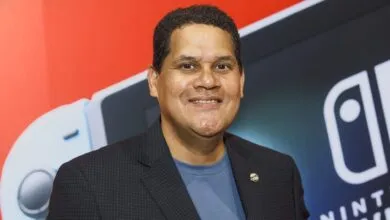
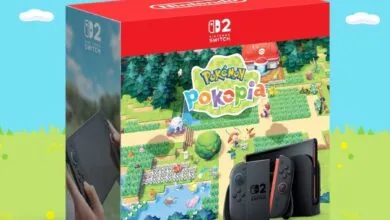
For the first time in his career, Reggie Fils-Aimé experienced a major Nintendo hardware launch from the outside looking in. The former President and COO of Nintendo of America, famous for his energetic stage presence, purchased the Nintendo Switch 2 himself and has been playing it purely as an enthusiast. He picked up the Mario Kart World bundle and has been enjoying the enhanced version of Zelda: Tears of the Kingdom, looking forward to future releases like Metroid Prime 4. His perspective on the new console, the shifting dynamics of platform competition, and the future leadership of the industry offers a unique and valuable viewpoint.
Fils-Aimé believes the Switch 2 has genuine potential to become a home for major third-party AAA games like Assassin’s Creed and Call of Duty. He states, “I absolutely believe it could be.” However, he is quick to clarify Nintendo’s distinct market position. “Nintendo, in my opinion, will never position themselves as a direct competitor to PlayStation. It’s not in their DNA.” The key to attracting these blockbuster titles, in his view, lies in empowering developers. He points to Nintendo’s renowned development efficiency, where games like Tears of the Kingdom achieve remarkable scope with smaller file sizes, as a skill that should be shared with external studios to help them optimize their games for the platform.
One notable absence from the Switch 2’s third-party lineup has surprised him: Xbox. Despite Microsoft’s vocal support, very few of its games have been announced for the console. “I’m surprised that Xbox has not yet fully embraced the Switch 2 from a software perspective,” Fils-Aimé remarks. He expected a more significant push, especially leading into the holiday season, and believes many Xbox games could be ported over successfully.
This leads to a broader discussion on the state of the so-called “console war.” Fils-Aimé agrees with the sentiment that the era of direct, head-to-head competition is over. With Microsoft increasingly acting as a major publisher, its relationship with Sony and Nintendo has fundamentally changed. “By definition, they’re a big third-party publisher that also makes some hardware… direct warfare is over.” That said, he notes a different kind of battle persists, a constant fight for consumer attention and every dollar spent on entertainment.
On the subject of Nintendo’s legacy, Fils-Aimé’s competitive spirit shines through. With the original Switch close to surpassing the Nintendo DS as the company’s best-selling system, he admits that if he were still with the company, he would be “desperate” to make it happen. He sees the upcoming holiday season as a critical final opportunity to push the original console over the top through strategic, value-oriented promotions.
When he first saw the Switch 2’s launch lineup, he confesses to some initial skepticism. “From a business perspective, when I first saw that line-up, I scratched my head a little bit.” However, he acknowledges underestimating the appeal of enhanced Nintendo Switch Online content and the power of titles like Donkey Kong Bananza to drive momentum.
Looking at the wider video game industry, Fils-Aimé expresses concern for the new generation of leaders. With many veteran executives retiring and creative directors stepping into CEO roles, he worries whether they possess the full suite of necessary skills. “Am I worried that this next generation has the skills and capabilities in order to be successful? Yes, I’m worried about it.” He emphasizes that success requires a willingness to learn and a strong support system to handle areas like finance and human resources.
He also sees a potential stagnation in innovation. He hopes the industry does not lose its creative momentum, noting that breakthrough new types of content seem less frequent than during the innovative period of the mid-2000s. While he credits the indie and AA sectors for driving much of the recent creativity, he finds Microsoft’s approach to cloud and cross-platform play particularly intriguing for its potential to disrupt how and where people access their games.
Throughout the conversation, Fils-Aimé returns to a piece of advice he received early in his Nintendo career, attributed to former president Hiroshi Yamauchi: never dwell on the extreme highs or lows. The key is to maintain an even keel and relentlessly focus on driving the business forward every single day.
(Source: The Game Business)