Dumbphones Get Smarter: A New Option for Disillusioned Users
▼ Summary
– Smartphone usage has become nearly universal, with research showing negative impacts on sleep, mental performance, and brain function even when devices are nearby but unused.
– A growing movement of people are choosing “dumbphones” or feature phones to disconnect from the attention economy, citing digital wellbeing, privacy concerns, or parental worries.
– Companies like Punkt and Light design minimalist phones with premium pricing, focusing on digital minimalism, privacy, and giving users control over their time and attention.
– Feature phones remain a significant market segment globally, particularly in developing countries, while niche manufacturers in developed economies cater to specific cultural shifts and safety concerns.
– The mobile industry is seeing increased fragmentation as manufacturers respond to consumer demand for healthier phone relationships, with devices like HMD’s Fuse targeting child safety through locked apps and content filtering.
For a growing number of people, the constant pull of a smartphone has become a source of stress, leading them to seek out simpler communication tools. This shift is fueling a quiet resurgence of dumbphones, also known as feature phones, which offer a welcome escape from the endless notifications and data-hungry applications that define modern mobile life. What began as a niche interest is evolving into a conscious lifestyle choice for many.
The reasons for this digital downsizing are as varied as the users themselves. Some individuals pursue a digital detox to reclaim their focus and improve mental wellbeing, while parents look for ways to manage their children’s screen time. Privacy concerns and a desire to step away from the demanding attention economy also drive this movement. A distinct community has formed online, where enthusiasts exchange advice on sourcing vintage handsets and compare the specifications of contemporary minimalist models.
While the global feature phone market is gradually shrinking as developing nations adopt smartphones, it still represents a substantial segment. Industry analysis indicates that feature phones accounted for approximately 15% of all handset sales last year, translating to hundreds of millions of devices. In North America and Europe, however, sales are significantly lower, creating space for specialized manufacturers to offer premium, thoughtfully designed alternatives. This cultural shift is often amplified by social media campaigns and grassroots initiatives advocating for a less connected existence.
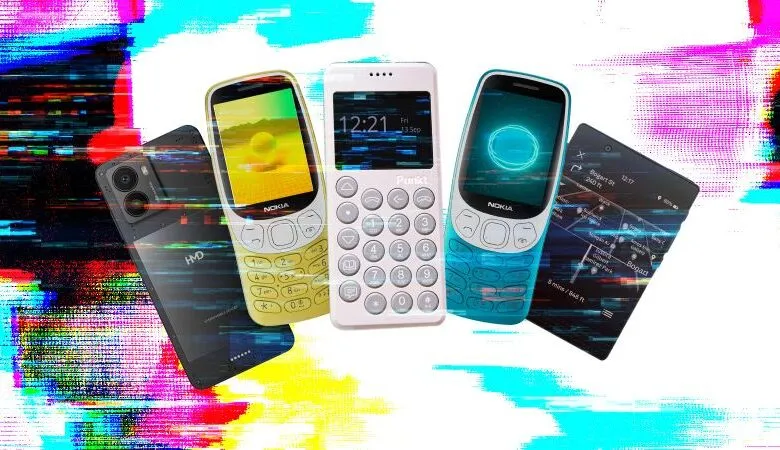
The founders of these companies frequently have personal stories that inspired their ventures. Petter Neby, who established the Swiss firm Punkt., recalls his own dependency on a Blackberry. He found himself unnecessarily sending emails during simple personal moments, a habit he recognized as problematic. Punkt.’s first product, the MP01, embodied a philosophy of digital minimalism with its physical keypad and focus on core functions like calls and texts. The design intentionally avoids the addictive qualities of smartphones, yet it offers flexibility, such as the ability to share a number with a paired smartphone, rather than demanding a complete and abrupt disconnection.
Similarly, the creation of the Light Phone was a direct response to the pervasive attention economy. Co-founder Kaiwei Tang questioned the value of apps designed solely to maximize user engagement for data harvesting and advertising. He and his partner resolved to build a device from the ground up that would never show ads, lacked an infinite scrolling feed, and ensured every interaction had a deliberate end. The latest model, the Light Phone III, includes modern features like 5G and NFC, but all its tools, from messaging to maps, are built in-house to align with the company’s core ethos. Tang describes the user experience as intentionally “boring,” utilizing a black-and-white display that research suggests can help reduce overall screen time.
Despite their simplified nature, these devices often carry a premium price tag. Without the massive economies of scale enjoyed by tech giants, smaller companies face higher material costs and more limited research and development budgets. A Punkt. dumbphone can cost around $299, while the Light Phone III retails for $699. The companies defend their pricing by emphasizing the value of reclaimed time and attention, along with a design philosophy focused on longevity and repairability, with devices intended to last for many years.
The market is also seeing innovation that blends simplicity with smart features, particularly in the realm of family safety. Manufacturer HMD Global, known for its Nokia-branded feature phones, has seen a surge in demand for its flip phones. This prompted the company to develop the HMD Fuse, a device initially locked down like a basic brick phone. Aimed at children, it allows parents to gradually unlock functions as their child matures. A standout safety feature is the integration of HarmBlock, an AI tool that detects and blocks nudity on the device’s screen and camera, a function developed in collaboration with child safety organizations.
The typical customer for brands like Punkt. and Light tends to be in their twenties or thirties. In contrast, the HMD Fuse targets younger Gen Z and Gen Alpha users, aiming to foster a healthier relationship with technology from the very beginning. These varied devices, from strictly minimalist phones to smarter, safety-focused models, signal a broader and more deliberate conversation about what people truly want from their personal technology.
Industry observers note that as a market matures, it often fragments into specialized niches. While it seems unlikely that the largest smartphone manufacturers would fundamentally alter their data-driven business models to produce stripped-down devices, rising consumer demand could pressure them to adopt certain features, especially in the area of child protection. For the smaller players, success isn’t measured in market domination, but in providing a meaningful alternative. As one founder stated, their mission is to respond to the weariness within the industry and offer a conscious choice, fulfilling an obligation to act in the world’s most significant consumer technology sector.
(Source: CNN)