Tesla’s Robotaxi Ambitions Leave Regulators Baffled
▼ Summary
– Tesla is facing scrutiny from California regulators over its robotaxi service launch despite not having the required permits.
– The company launched a service with safety drivers in the vehicles for invite-only customers, not a fully driverless operation.
– State officials expressed confusion and asked Tesla to clarify public misconceptions about the nature of the service.
– Tesla reportedly avoided answering direct questions from officials, citing a policy of not responding to press inquiries.
– The situation suggests Tesla seeks the public perception of a robotaxi service without meeting the associated legal and regulatory obligations.
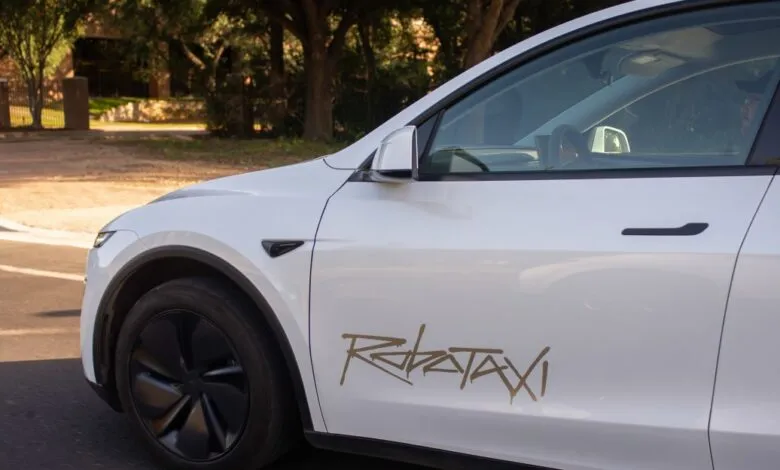
Tesla’s ambitious push toward a robotaxi service is generating significant confusion among government regulators, particularly in California. The company’s recent activities in the San Francisco Bay Area have state officials questioning whether Tesla is attempting to bypass standard oversight procedures while creating the impression of an operational autonomous ride-hailing network.
According to internal communications reviewed by Reuters, a noticeable gap exists between Tesla’s public announcements and its actual regulatory standing. While CEO Elon Musk has publicly claimed the company secured regulatory permission for its robotaxi initiative, state records tell a different story. Tesla had not submitted applications for the necessary permits to test or deploy fully driverless vehicles commercially. The service it launched involved vehicles with safety drivers and was limited to an invitation-only user group, a far cry from a true autonomous taxi operation.
California’s Department of Motor Vehicles directly reached out to Tesla’s policy team seeking clarification to address what it termed “public confusion” surrounding the launch. The regulators’ concern centered on the discrepancy between Musk’s pronouncements and the reality of a supervised driving program. In response, Tesla reportedly declined to provide specifics, stating its policy was not to answer press inquiries, a puzzling stance when the questions came from a governing body responsible for public safety.
Further correspondence between state and federal transportation agencies highlighted that Tesla had not sought the permits required for testing vehicles without safety drivers. Officials specifically raised concerns about “misconceptions” that Tesla was already running a genuine robotaxi service. The company’s explanations did little to resolve the regulatory uncertainty. This situation suggests a strategy of cultivating the public perception of a breakthrough service while avoiding the stringent legal and safety obligations that come with official certification.
(Source: The Verge)