Emulate This Ultra-Rare ’90s LaserDisc Console on PC
▼ Summary
– Ares v146 emulator now supports Mega LD titles for the Pioneer LaserActive, making them playable for the first time via emulation.
– The LaserActive was a 1994 LaserDisc player with add-on modules for Sega Genesis and NEC TurboGrafx-16 games, plus unique LaserActive format titles.
– Mega-LD games included edutainment, dungeon crawlers, animated challenges, and rail shooters, often overlaying graphics on video backgrounds.
– The console was expensive and sold only about 10,000 units due to high prices and lack of must-have software, but has a small cult following.
– The emulator was developed over 15 years by a coder named Nemesis, who studied the LaserActive’s inner workings to make it accessible.
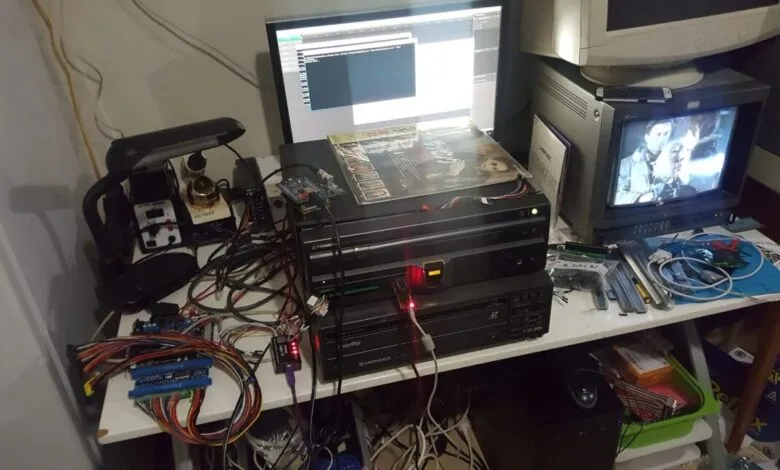
For retro gaming enthusiasts, a significant breakthrough has arrived with the ability to experience one of the rarest consoles from the 1990s on modern hardware. The recent release of Ares v146 introduces first-of-its-kind emulation support for the Pioneer LaserActive, specifically its Mega LD game library. This development opens the door to a unique chapter in gaming history that was previously accessible only to a handful of dedicated collectors.
Even among seasoned retro fans, the LaserActive remains relatively unknown. Launched in 1994, this high-end LaserDisc player featured modular add-ons that enabled compatibility with Sega Genesis and NEC TurboGrafx-16 titles. More importantly, it supported a small selection of exclusive games designed to merge traditional gameplay with full-motion video. These titles utilized both sides of a LaserDisc, offering up to an hour of standard-definition analog video alongside interactive elements.
Mega LD games largely expanded on concepts seen in early CD-ROM releases. The library included educational software, branching narrative adventures, animated quick-time event titles reminiscent of Dragon’s Lair, and rail shooters that superimposed 16-bit sprites over detailed video backgrounds, sometimes featuring live-action actors.
The system’s prohibitive cost contributed to its obscurity. The base unit retailed for $970, with each console add-on module priced at $600 and individual game discs costing around $120, steep figures even by mid-90s standards. With no breakout hits and an estimated total sales figure of only 10,000 units across Japan and the United States, the LaserActive became a niche collectible. Still, it attracted a small but passionate community dedicated to preserving and experiencing its unique hybrid media format.
The new emulation capability is the result of a dedicated effort by a developer known as Nemesis. In a recent interview, Nemesis revealed spending over 15 years studying the LaserActive’s architecture to accurately replicate its behavior in software. This painstaking work has finally made it possible for a broader audience to explore these rare titles without the need for original, increasingly fragile hardware.
(Source: Ars Technica)