World of Warcraft’s Faction Change Could Be a Historic Mistake
▼ Summary
– The author criticizes Blizzard for prioritizing a rapid content update schedule over game polish, citing numerous bugs and unfinished features in the *World of Warcraft: Midnight* expansion.
– The article argues that Blizzard is intentionally erasing the foundational Horde vs. Alliance faction conflict, which has historically provided distinct racial lore and player identity.
– This de-emphasis is shown through gameplay changes like cross-faction grouping and the removal of separate faction-specific story campaigns, which the author says reduces immersion and narrative depth.
– A key narrative example from *Midnight* is the Blood Elves seeking aid from their former enemies, the Night Elves, while ignoring logical Horde allies, glossing over major past conflicts like the burning of Teldrassil.
– The author concludes that homogenizing faction identity undermines the game’s sense of community and belonging, which they see as a core strength and a potential long-term mistake for the franchise.
For many longtime players, the Horde versus Alliance conflict has been the beating heart of the Warcraft universe. This foundational rivalry, stretching from the original strategy games into the sprawling world of Azeroth, provided more than just a backdrop for PvP battles. It offered a deep sense of faction identity and belonging, giving players a distinct cultural home within the game’s vast lore. Recent narrative choices, however, suggest Blizzard is systematically dismantling this pillar of the franchise, a decision that risks eroding the very community spirit that has sustained World of Warcraft for decades.
The shift has been gradual but unmistakable. In the name of player convenience and accessibility, mechanics have been introduced that allow seamless grouping and guild membership across faction lines. While this is a practical boon for an aging player base with limited time, the narrative has struggled to keep pace. The game increasingly presents a homogenized, neutral story that glosses over deep-seated historical grievances between the factions. Where players once experienced unique, faction-specific campaigns that enriched the lore, they now often receive a single, streamlined narrative that assumes a veteran’s perspective and ignores past conflicts.
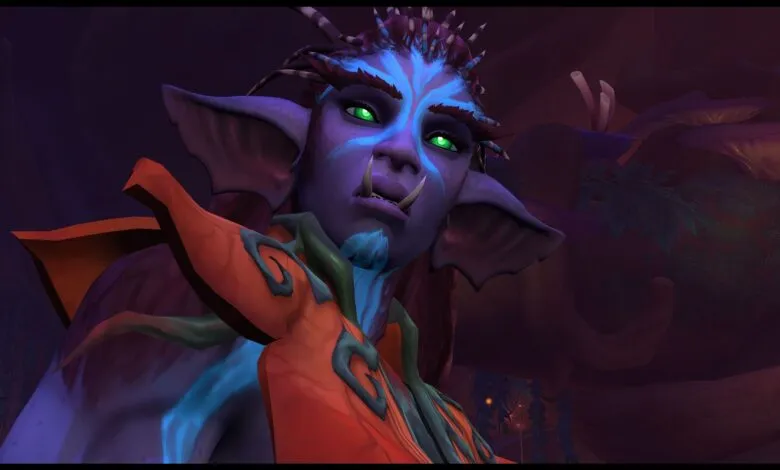
This erosion of factional identity reached a jarring climax in the latest expansion. During a dire assault on the Horde city of Silvermoon, the Blood Elves inexplicably turned to the Night Elves for salvation, despite the former’s direct complicity in the catastrophic burning of the Night Elf capital, Teldrassil, just years prior. The game offers no story reason for this sudden, profound alliance, nor does it address why closer Horde allies like the Forsaken or the orcish armies were absent. For a player character who actively participated in that very war, being welcomed as an ambassador by the Night Elves feels narratively incoherent and severely undermines immersion.
The consequences extend beyond plot holes. This drive toward neutrality has resulted in less overall content, diminished context, and a loss of flavor. Races that once had rich, defining story arcs are now often relegated to background roles. The Forsaken, a core and uniquely macabre part of the Horde’s identity, have become conspicuously absent from major storylines. One can’t help but speculate if Blizzard is intentionally sidelining its more “extreme” factions in a bid to make the game appear more approachable, a theory given weight by past developer comments about the “War” in Warcraft being a potential barrier.
From a purely logistical standpoint, reducing friction between factions makes certain gameplay aspects easier to manage. Yet this convenience need not come at the cost of factional identity erasure. The historical strength of WoW’s community was built upon players passionately identifying as proud members of the Alliance or as resilient outcasts of the Horde. This virtual tribalism, expressed through fantasy races and epic conflicts, fostered a powerful sense of camaraderie and belonging that kept players invested far beyond their time online.
Blizzard appears to be prioritizing telemetrical data and broad marketability over this cultivated legacy. The assumption seems to be that softening the edges and merging the factions will attract a wider audience. This approach misunderstands what made the world compelling. Turning distinct cultures with clashing values into a homogenous sludge of shared morals does a disservice to the intricate lore and to the diverse player community that found a home within it. The passion and identity surrounding the Horde and Alliance were earned over decades of storytelling; they cannot be conveniently wished away by a corporate strategy.
Ultimately, the move away from meaningful faction conflict may prove to be a historic mistake for the franchise. It sacrifices depth, immersion, and community cohesion for a nebulous goal of broader appeal. For players who have lived in Azeroth for years, their characters’ histories and loyalties are not so easily forgotten or rewritten. The game’s soul has always been rooted in its grand, enduring conflict, and without it, World of Warcraft risks becoming just another generic fantasy landscape.
(Source: Windows Central)
