Japan OKs First-Ever Treatment Using Reprogrammed Human Cells
▼ Summary
– Japanese researchers pioneered the technology of reprogrammed cells two decades ago.
– Japan has now granted the world’s first authorizations for manufacturing medical products using this technology.
– These authorizations also allow for the sale of these new medical products.
– The milestone represents a significant transition from research to commercial medical application.
– The products are specifically based on the technology of reprogrammed cells.
Japan has taken a monumental step in the field of regenerative medicine by granting the world’s first-ever approvals for the commercial manufacturing and sale of medical treatments derived from reprogrammed human cells. This landmark decision, made by the country’s regulatory authorities, marks the transition of a revolutionary scientific concept from the laboratory to the clinic, offering new hope for patients with conditions that have few other options.
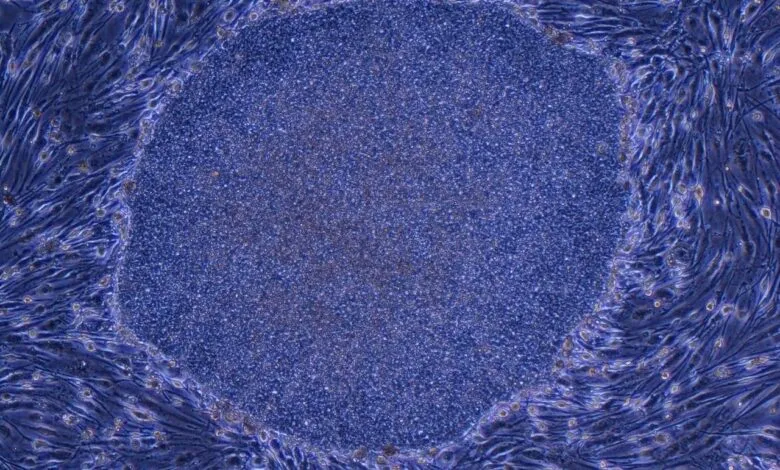
The foundational science for this breakthrough was itself pioneered in Japan roughly two decades ago. Researchers there developed the method for creating induced pluripotent stem cells (iPSCs), which involves taking mature adult cells, such as skin cells, and reprogramming them back into an embryonic-like state. From this versatile state, these cells can then be guided to develop into virtually any other cell type in the human body, including heart muscle, neurons, or pancreatic cells. This technology bypasses the ethical controversies associated with embryonic stem cells and provides a potential source of patient-matched tissues for repair and regeneration.
The newly authorized products are designed to treat specific and serious medical conditions. While the exact details of the approved therapies are under commercial development, the principle involves using these lab-grown, specialized cells to replace damaged or dysfunctional tissues. For instance, one potential application could be for treating severe corneal diseases, where transplanted corneal cells grown from iPSCs could restore vision. Another might focus on heart failure, aiming to repair cardiac muscle damaged by a heart attack. The authorization signifies a critical validation of both the safety and the potential efficacy of iPSC-based therapies, setting a global precedent for other nations to follow.
This regulatory green light is the culmination of years of intensive research and rigorous clinical trials. Scientists have worked meticulously to ensure that the reprogrammed cells are stable, function correctly, and do not pose risks such as tumor formation. The approval process in Japan is known for its forward-thinking approach to innovative medical technologies, often creating accelerated pathways for promising treatments that address unmet medical needs. By being the first to approve such products, Japan reinforces its position as a global leader in cutting-edge biomedical research and its application.
The implications of this decision are profound for the future of medicine. It opens the door to a new class of “living drugs” that can fundamentally alter the course of degenerative diseases, severe injuries, and genetic disorders. For patients, it represents a tangible advance toward personalized regenerative treatments that were once the realm of science fiction. The success of these first commercial products will be closely watched by the international medical community, as it will provide invaluable real-world data to guide further research, refine techniques, and potentially expand the range of treatable conditions. This milestone is not an endpoint, but a powerful beginning for a transformative era in healthcare.
(Source: Wired)