Why Final Fantasy 7 Remake Can’t Run on Switch 2
▼ Summary
– The primary reason Final Fantasy 7 Remake wouldn’t be on Nintendo Switch 2 without game-key cards is due to significantly slower loading speeds and insufficient storage capacity on physical cartridges.
– Game-key cards allow the game to load data from the console’s high-speed internal storage, which is roughly twice as fast as loading from a traditional game cartridge.
– The game’s design requires constant data swapping during gameplay, making the slower cartridge load speeds impractical and potentially stressful for players.
– The developer had previously decided against Nintendo system releases for these titles when faced with these unresolved technical limitations.
– The performance of the Nintendo Switch 2 and the key-card format made releasing these large-scale games possible, broadening the format’s acceptance for future titles.
The technical realities of modern game development often present significant hurdles when bringing major titles to new platforms. Naoki Hamaguchi, director of the Final Fantasy 7 Remake project, has provided a detailed explanation for why the game and its sequels rely on a specific format for the Nintendo Switch 2, rather than traditional cartridges. The core issues are twofold: loading speed and sheer data capacity. According to Hamaguchi, loading game data directly from a standard cartridge would be roughly half as fast as loading from the console’s internal storage. For a game designed to constantly stream and swap assets in the background, that performance gap would create an unacceptable experience for players.
Beyond speed, there’s a simple matter of space. The massive scale of Final Fantasy 7 Remake and the even larger Final Fantasy 7 Rebirth means the complete game data wouldn’t physically fit on the highest-capacity cartridges currently available. This combination of technical limitations has historically prevented certain titles from appearing on Nintendo systems. Hamaguchi notes that in the past, when the team couldn’t resolve these fundamental problems, they had to make the difficult decision to skip a Nintendo release entirely.
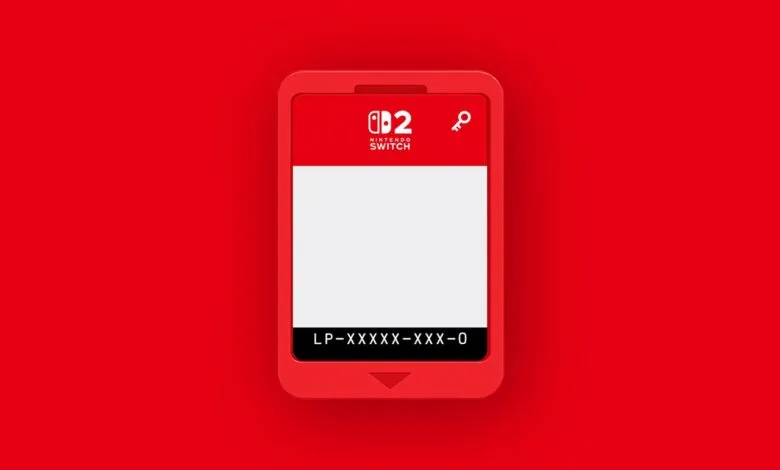
The solution that made a Switch 2 version feasible is the use of a game-key card system. This format allows the bulk of the game data to be stored on the console’s high-speed internal storage or an approved SSD, while the card itself acts as a license key. This approach bypasses the slow read speeds and capacity constraints of cartridges. Hamaguchi emphasizes that this isn’t about imposing constraints on game design, but rather enabling it. The ambitious, seamless experience the team envisioned for the Remake trilogy would simply not be possible under the limitations of a standard game card.
He acknowledges the mixed reception to key cards from some fans who prefer a fully physical product. While he understands the perspective, he hopes players can recognize that this format is what allows such expansive games to exist on the platform at all. The impressive performance of the Nintendo Switch 2, combined with this distribution method, finally created a viable path for the series. The director confirmed that the third and final part of the trilogy is being developed with the same large-scale scope as Rebirth, assured that the key card format will support that vision.
Ultimately, Hamaguchi’s comments highlight a pragmatic balance in modern game publishing. The goal is to deliver the intended experience to as many players as possible, which sometimes requires adopting new methods. The successful release and reception of Final Fantasy 7 Remake on Switch 2 has, in his view, helped broaden understanding of this approach for other future titles. Final Fantasy 7 Rebirth is scheduled to launch on the platform this June, following the same model.
(Source: Nintendo Everything)