Explore the Computer History Museum’s Retro Collection Online
▼ Summary
– The Computer History Museum has launched a digital portal, allowing its collection to be viewed online from anywhere.
– The online collection includes nostalgic hardware like a three-button mouse from Silicon Graphics and Mouse Systems Corp.
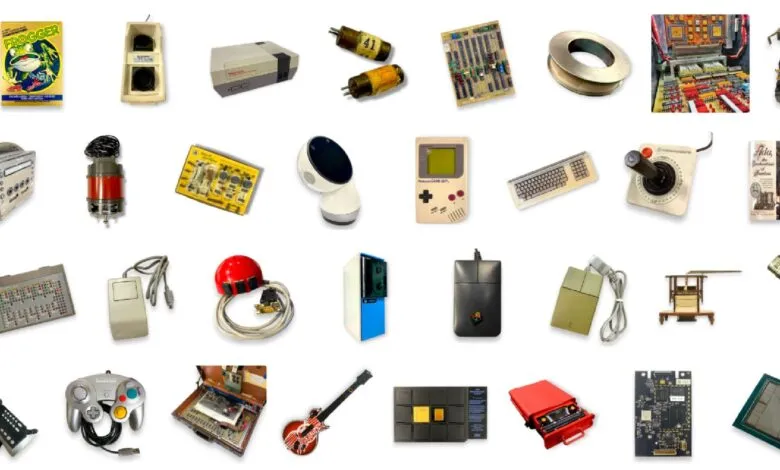
– The digital portal is organized into categories like curator picks and a “discovery wall” for browsing.
– One highlighted artifact is the “world’s first Lisp processor megachip,” which contains over 550,000 transistors.
– The site features high-resolution images that allow users to zoom in and examine the details of the historical items.
For anyone fascinated by the evolution of technology, a remarkable new online resource now brings computing’s rich past directly to your screen. The Computer History Museum, located in California, has launched a comprehensive digital portal, allowing global access to its extensive collection of vintage hardware and artifacts. This initiative opens a virtual window into the foundational devices that paved the way for our modern digital world, making tech history accessible to enthusiasts everywhere without the need for travel.
One standout piece in the collection is a particularly intriguing mouse. Designed by Silicon Graphics Computer Systems and produced by Mouse Systems Corp., this early input device boasts a then-remarkable three-button configuration. Its ergonomic design, which looks decidedly uncomfortable by today’s standards, offers a tangible glimpse into the iterative process of human-computer interaction. While its technical specifications wouldn’t compete with contemporary gaming peripherals, it remains a cherished piece of engineering history.
The digital archive is thoughtfully organized to enhance exploration. Visitors can browse through curated selections, read detailed narratives about specific items, or lose themselves in the “discovery wall.” This feature presents a sprawling, scrollable mosaic of nostalgic tech, inviting users to uncover odd and wonderful relics on their own terms. It’s within this section that one can find gems like the so-called “world’s first Lisp processor megachip.” This historic component, now preserved under glass, contains 553,687 transistors and 116,736 bits of RAM, a stark reminder of how far microprocessor design has advanced.
A significant advantage of the online museum is the high-resolution imagery provided for most items. This allows for detailed inspection, letting you zoom in to study the intricate circuitry of a vintage motherboard or the textured casing of an early portable computer. The clarity can lead to surprising moments of personal connection, such as recognizing a classic GameBoy model identical to one stored away in a box at home, subtly underscoring the rapid pace at which everyday technology becomes historical.
Whether you have a brief moment or an entire afternoon to spare, diving into this virtual collection is a rewarding experience. It chronicles a diverse and inventive period in hardware development, showcasing a vast array of innovations that predate today’s sleek, RGB-illuminated components. Exploring these digital exhibits provides not only a sense of nostalgia but also a deeper appreciation for the creative ingenuity that built the digital landscape we navigate today.
(Source: PC Gamer)