World’s First HDR10 Smart Glasses: A $2,000 TV Replacement?

▼ Summary
– RayNeo unveiled the Air 4 Pro smart glasses, featuring upgraded dual-layer OLED displays and Bang & Olufsen-tuned side speakers.
– The Air 4 Pro is touted as the world’s first HDR10-enabled smart glasses, offering enhanced brightness and color for multimedia.
– These extended reality glasses are designed for on-the-go viewing and can connect to devices like smartphones, PCs, and gaming consoles.
– RayNeo also announced it will launch the X3 Pro Project eSIM, a concept AR glasses with built-in 4G connectivity, at CES 2026.
– Pricing for the Air 4 Pro is not yet announced, but it is expected to be slightly more expensive than its predecessor models.
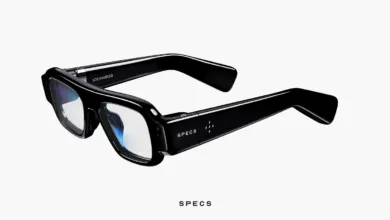
The upcoming CES event is poised to be a major showcase for wearable display technology, with RayNeo’s new Air 4 Pro smart glasses emerging as a particularly compelling entry. These glasses are being promoted as the world’s first HDR10-enabled smart glasses, featuring dual-layer OLED screens and an audio system developed in collaboration with Bang & Olufsen. This combination positions them as a strong contender for mobile multimedia, potentially offering a high-quality viewing experience without a traditional screen.
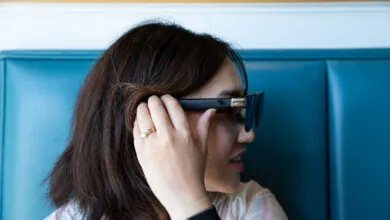
Fundamentally, the Air 4 Pro functions as an extended reality (XR) device. It can connect to smartphones, computers, or gaming consoles to mirror or entirely replace their displays. Similar to products from competitors like Xreal and Rokid, they are designed with media consumption in mind, utilizing a tinted visor to improve the perceived color and brightness of the projected image. Practical user considerations are also addressed, as the glasses support swappable prescription lenses and maintain a weight of 76 grams, which is standard for this category of device.
The key differentiators for the Air 4 Pro lie in its display and audio technologies. The HDR10 support is significant because it allows for a broader spectrum of brightness and color, revealing details in both very bright and very dark scenes that are often lost on standard screens. According to RayNeo’s CEO, this adherence to a universal picture quality standard helps bridge the gap between smart glasses and conventional displays like televisions and projectors. The partnership with Bang & Olufsen for the side-firing speakers aims to enhance the auditory experience, with promises of better bass and directional sound to create a more immersive environment for movies and games.
While the exact cost and release date for the Air 4 Pro have not been finalized, its price is expected to be moderately higher than earlier models. In a separate announcement, RayNeo confirmed it will also debut the X3 Pro Project eSIM at CES. This concept device builds on the company’s existing AR glasses by integrating built-in 4G connectivity, allowing it to access the internet and make calls independently, without being tethered to a smartphone. This move toward greater autonomy highlights what many see as a critical evolution for augmented reality wearables, even if earlier iterations faced challenges with battery life and comfort. The developments from RayNeo and other manufacturers suggest that face-worn technology is rapidly advancing beyond novelty status into a viable platform for entertainment and communication.
(Source: ZDNET)