Federation: The Fix for Broken Watch Lists

▼ Summary
– The author describes a common problem of having too many fragmented watch lists across different streaming services and family profiles, making it hard to track what to watch.
– Apps like Plex offer a universal watch list and catalog, but they require manual effort to update and can have inconsistent functionality, especially on smart TVs.
– The proposed solution is for streaming services to share watch-list data through user opt-in, allowing bookmarks to sync automatically across platforms and apps.
– This federated data could enable new features, like automatic soundtrack playlists on Spotify or better organization by genre instead of by user profile.
– However, streaming services are protective of their data and siloed experiences, with Netflix notably blocking integration with universal watch lists like Google TV’s.
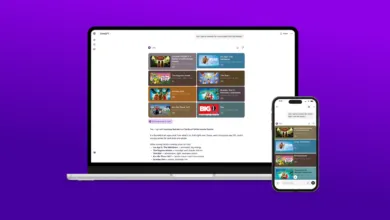
Finding the perfect movie to watch shouldn’t feel like a digital scavenger hunt. The modern streaming landscape, while abundant, has created a frustrating paradox: we have more content and more tools to save it than ever, yet actually retrieving what we bookmarked is often impossible. The core issue isn’t a lack of watch lists, it’s that every service and platform keeps its list locked in a separate silo, leading to a scattered collection of forgotten intentions across Netflix, Hulu, Google TV, and even the family dog’s Tubi profile.
The current system forces viewers to maintain a dozen different lists, none of which communicate with each other. You might bookmark a film on Netflix late at night, only to later add a series from Hulu’s interface, and then save something entirely different from your smart TV’s home screen, which uses Google’s separate system. This fragmentation means that when you finally sit down to choose something, you have to remember not just what you wanted to watch, but where you decided to save it. Third-party apps like Plex attempt to solve this by offering a universal catalog and watch list, but they introduce a new problem: manual labor. You must stop your browsing, open a separate app, search for the title again, and add it, a process that defeats the purpose of a quick, one-click bookmark.
A genuine solution requires a fundamental shift in how platforms handle user data. The fix is federation: allowing consumers to opt into sharing their watch-list data between services. Imagine bookmarking a movie on Netflix and having that choice automatically populate a master list in Plex or on your Google TV home screen. When you finish watching, it would vanish from all connected lists. If your partner adds a show on Hulu, it could simultaneously appear in your shared Netflix queue if the title ever migrates to that service. This seamless flow would turn watch lists from isolated notepads into a dynamic, unified system.
Beyond simple convenience, federated data could revolutionize how we discover and enjoy content. It could reduce reliance on clunky, individual user profiles by sorting bookmarks by genre, mood, or rating for the entire household. It might even enable creative new features, like a Spotify playlist automatically generated from the soundtracks of shows you’ve recently finished. The potential for innovation is significant if data is allowed to move freely.
Unfortunately, streaming giants are notoriously protective of their walled gardens. Services like Netflix actively prevent integration, such as blocking users from adding its titles to universal smart TV watch lists, to keep viewers trapped within their ecosystem. Their business model depends on maximizing engagement within their own app, not on helping you easily find content that might be on a competitor’s service. Plex remains a rare exception in its attempt to aggregate across platforms.
The holiday wish, then, is for a change in philosophy. The new year would be an ideal time for a streaming executive to resolve to open the floodgates. Freeing this data would allow for better tools, smarter recommendations, and an end to the nightly frustration of searching through a thousand lists. It would put the viewer’s experience ahead of corporate silos. Until that hopeful day arrives, the search continues, and sometimes, the simpler option might just be to pick up a book, assuming you can remember which one you meant to read.
(Source: The Verge)