NASA’s Perseverance Rover Faces Its Toughest Mars Test Yet
▼ Summary
– NASA’s Mars Sample Return mission is significantly delayed, with no retrieval lander being built and a launch now unlikely until the 2030s due to ballooning costs.
– The Perseverance rover, originally the first leg of the sample return campaign, remains in excellent health and is capable of operating for many more years.
– Perseverance has already traveled 25 miles on Mars, doubling its certified mobility range and setting a record for distance traveled on another world.
– Rover operators plan to continue its mission, with an evaluation concluding it can operate until at least 2031, powered by a long-lasting radioactive plutonium source.
– The rover’s ongoing tasks include exploring locations like “Mont Musard” to collect additional rock core samples for a future retrieval mission.
Nearly five years after its dramatic touchdown, NASA’s Perseverance rover is proving to be a remarkably resilient explorer on the Martian surface. While the ambitious Mars Sample Return mission it was designed to support faces significant delays and budgetary challenges, the rover itself remains in prime condition, ready to extend its groundbreaking scientific work for years to come. The robot’s longevity is now more critical than ever, as it must safeguard its precious cargo of rock and soil samples until a future retrieval mission can be organized.
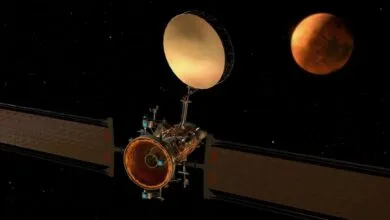
When Perseverance landed in 2021, the vision was for a follow-up lander to arrive within this decade, collect the samples, and launch them back to Earth. That timeline has now shifted dramatically. The original plan’s cost has soared, leading to a complete reassessment of the Mars Sample Return strategy. A launch before the 2030s appears increasingly unlikely, placing the onus for sample preservation squarely on Perseverance.
Fortunately, the rover is more than up to the task. According to mission officials, the vehicle is in excellent health. All primary and backup systems are fully operational, and the rover’s nuclear power source ensures it won’t run out of energy. The rover’s mobility system has already performed far beyond its original design specifications, having traversed over 25 miles across the floor of Jezero Crater, a record distance for any vehicle on another world.
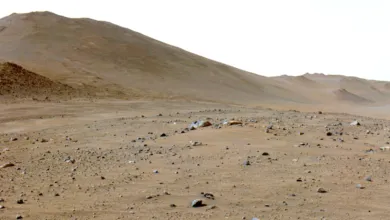
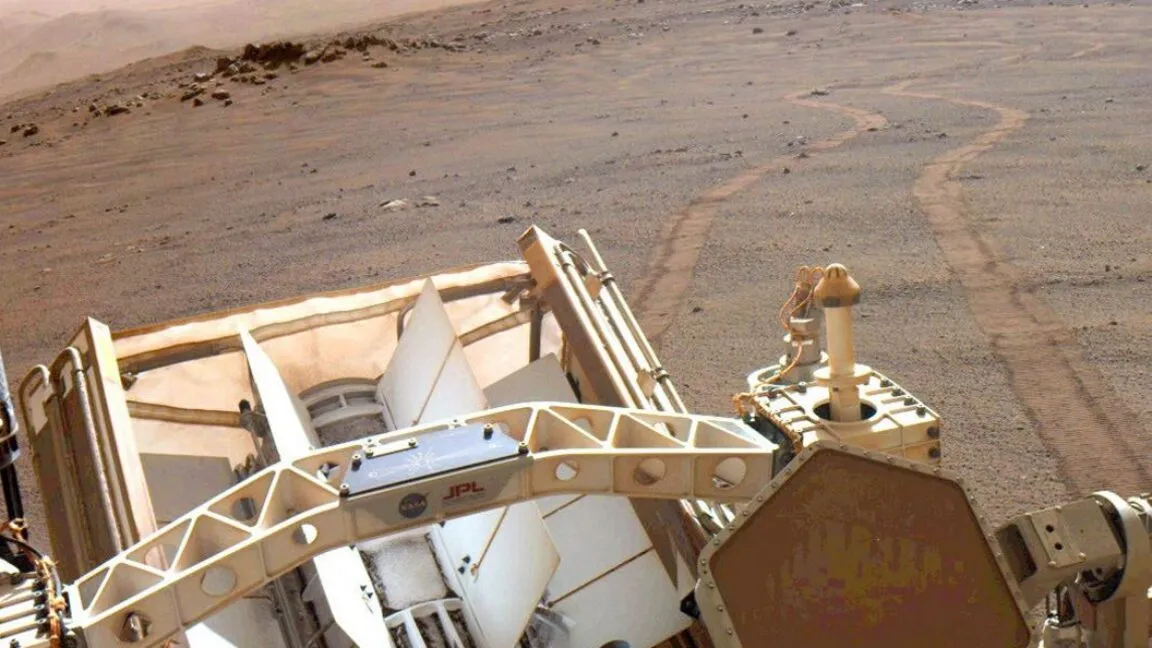
Recent imagery from the rover’s Mastcam-Z camera highlights its ongoing exploration. A processed mosaic from September 2025 shows the terrain around “Mont Musard” and “Lac de Charmes,” areas targeted for future sample collection. The distant mountains in the frame lie some 52 miles away, a testament to the vast scale of the crater the rover calls home.
With a recent health evaluation confirming the rover can operate reliably until at least 2031, engineers are setting ambitious new goals. The team is now planning for the possibility of the mission lasting a full decade on Mars, a benchmark supported by the enduring performance of the similar Curiosity rover. Perseverance’s continued resilience is not just a technical success; it is the key to preserving the integrity of the first samples ever set aside for return from another planet.
(Source: Ars Technica)