Why You Should Play Horses, Even If It’s Flawed
▼ Summary
– The horror game *Horses* has become a symbol against censorship after being banned from major storefronts, leading to its success on GOG.com.
– The game is a short, three-to-four hour experience where the player performs chores on a farm populated by humans wearing horse masks.
– Despite its dark themes, the author found the game frequently funny due to its awkward animations and unintentionally humorous design choices.
– This comedic presentation undermined the intended horror and emotional impact, creating a distance from the game’s serious narrative.
– The author argues the game’s ban is regrettable but that *Horses* ultimately fails as an effective narrative due to its limited player agency and repetitive shocks.
The narrative horror game Horses has become a focal point in the ongoing debate over video game censorship and artistic expression. Its removal from major storefronts like Steam and the Epic Game Store sparked significant controversy, transforming it into a bestseller on GOG.com and uniting a diverse range of gamers in its defense. However, after experiencing the game firsthand, it becomes clear that Horses as a piece of interactive media is deeply flawed, arguably undeserving of both the extreme backlash and the uncritical praise it has received.
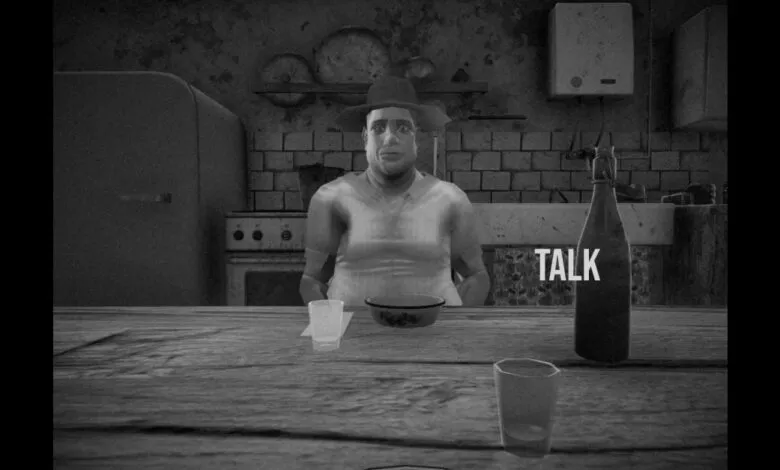
Developed through a collaboration between indie studio Santa Ragione and filmmaker Andrea Lucco Bolera, the game is a brief, roughly three-to-four-hour experience. You assume the role of Anselmo, a listless twenty-year-old sent to a remote farm by his father. Under the watch of a domineering farm owner, Anselmo performs simple chores, watering plants, feeding a dog, and tending to the titular “horses.” These creatures are revealed to be masked humans, their faces permanently concealed behind equine headpieces and collars. Over a simulated fourteen days, the narrative slowly unveils a world of quiet suffering, implicating both Anselmo and the player in its unsettling ecosystem.
Amidst the heated discussions about artistic merit and platform censorship, one aspect of Horses that often goes unmentioned is its unexpected, pervasive humor. Despite the content warnings and the promise of disturbing themes, my initial reaction was genuine laughter. Discovering a graveyard with headstones for horses named Bojack and Artax set a bizarre tone. The very first character encountered after the farmer is a dog, and the game dutifully presents the option to pet it. There’s a dark comedy in the developers of such a bleak experience still adhering to the unofficial gaming rule of including interactive dogs, even if this one snarls in response, especially since it, too, is just a person wearing an animal mask.
For the first half of the game, this humorous atmosphere, amplified by its specific aesthetic choices, proved surprisingly engaging. The full-motion video cutscenes feature stilted acting and awkwardly synced dialogue. Player expression is limited to selecting between thumbs-up/thumbs-down icons or hospital-style pain scale smiley faces, while Anselmo’s static face bobs along mechanically. Even the more explicit content is rendered absurd by the game’s technical presentation. Simulated acts are depicted with clumsy, pixelated models and near-silence, while a scene implying masturbation is undercut by crude animation that causes characters’ hands to clip wildly through their bodies. The irony is palpable when comparing this to the graphically explicit content readily available in other games on mainstream platforms.
This persistent, unintentional comedy ultimately sabotages the game’s intended emotional impact. Moments meant to horrify, to illustrate the profound dehumanization of the “horses,” instead come across as ludicrous. The dated visual style, which might have been innovative decades ago, transforms intended horror into farce. This isn’t to argue that a more realistic depiction would be superior, but the front-loaded humor creates a disconnect. It builds an ironic barrier between the player and the genuine discomfort the narrative later attempts to evoke.
As the in-game days progress, the introduction of escalating brutality begins to feel less like a disturbing escalation and more like a repetitive gag losing its punch. The shock value, whether intentional or not, starts to ring hollow, resembling narrative devices employed for their own sake rather than for substantive effect. This led to a growing sense of boredom, which some might argue is the point, simulating how relentless exposure to ugliness can normalize it. Yet this thematic idea clashes with the game’s fundamental design, which offers the player almost no meaningful agency. On the rare occasions Anselmo is given a dialog choice to refuse, the story proceeds unchanged, forcing the action anyway. This contradiction undermines the potential tension; how can one grapple with the consequences of their choices when those choices were never truly theirs to make? A more compelling design would have allowed player decisions to shape the outcome, creating real stakes.
The banning of Horses from Steam remains a significant issue, setting a troubling precedent for creative works regardless of their quality. The surge of supportive attention will inevitably fade, leaving the game confined to storefronts with a fraction of the audience. Despite its numerous shortcomings, playing Horses is a valuable experience. It serves as a stark case study, highlighting the complex intersection of art, censorship, and game design. It deserves to be played, if only to better appreciate the titles that successfully achieve what this game could not.
(Source: The Verge)