Ninja Gaiden: Ragebound Review – Brutal Action Unleashed
▼ Summary
– The original NES Ninja Gaiden is known for its brutal difficulty, but mastering it creates an exhilarating sense of achievement through precise gameplay.
– Ninja Gaiden: Ragebound modernizes the classic formula, offering fluid, responsive controls and satisfying combat without the frustration of trial-and-error.
– The game follows Kenji, Ryu Hayabusa’s protégé, on a demon-slaying quest, blending homage with fresh storytelling while remaining accessible to newcomers.
– Ragebound’s gameplay excels with intuitive mechanics, balanced enemy design, and pixel-perfect animations, creating a rewarding flow state for players.
– Despite its strong gameplay, Ragebound’s story lacks depth and ends abruptly, falling short of the narrative ambition seen in the original NES title.
Mastering the art of ninja combat has never felt this fluid or rewarding. The original Ninja Gaiden on NES was infamous for its punishing difficulty, demanding pixel-perfect precision and relentless memorization. Yet beneath that brutality lay a core of exhilarating gameplay, those rare moments when everything clicked, and you became an unstoppable force. Ninja Gaiden: Ragebound channels that same electrifying energy while ditching the frustration, delivering a modernized take on classic 2D action that feels both fresh and deeply nostalgic.
Developed by The Game Kitchen, Ragebound isn’t just another tribute, it’s a love letter crafted by fans who understand what made the original games special. The story shifts focus from Ryu Hayabusa to his protégé, Kenji, who must defend the Hayabusa clan’s homeland against a demonic invasion. While Ryu makes a brief appearance early on, the spotlight quickly shifts to Kenji and his uneasy alliance with Kumori, a kunoichi from the rival Black Spider Clan. The setup may lean into fan-fiction territory, but it works as a clever parallel to the game’s own mission: honoring the past while carving its own identity.
Where Ragebound truly shines is in its razor-sharp combat. Kenji moves with effortless grace, chaining together wall jumps, dodges, and aerial combos with intuitive controls that feel straight out of a 16-bit classic. Enemies range from disposable grunts to hulking brutes, each requiring different strategies. Glowing foes grant temporary power-ups, encouraging players to prioritize targets and think tactically mid-battle. The result is a combat system that’s easy to pick up but endlessly rewarding to master, every slash, dodge, and counterattack feels deliberate and satisfying.
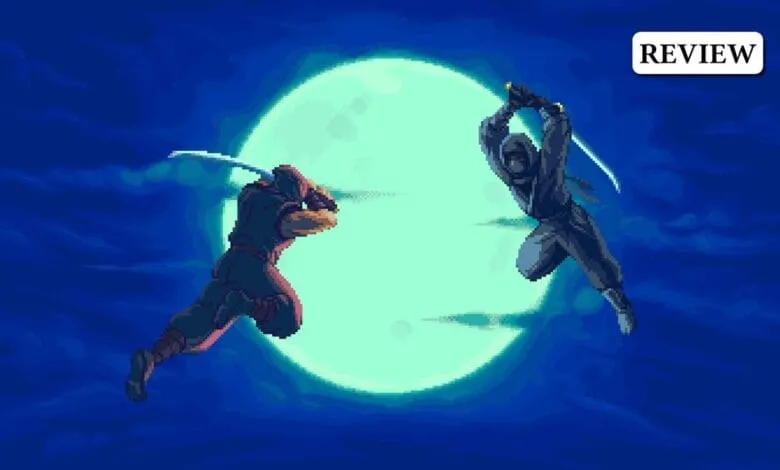
Visually, the game is a feast for retro enthusiasts. The pixel art is fluid and detailed, making enemy telegraphs easy to read even in the thick of chaos. Attacks land with palpable weight, especially when Kenji unleashes a supercharged slash that cleaves through tougher foes. The soundtrack, too, nails the vibe of classic Ninja Gaiden, blending chiptune-inspired melodies with modern production.
That said, Ragebound stumbles slightly in its storytelling. While the opening cutscenes pay loving homage to the original’s manga-style presentation, the narrative loses steam in the later acts. Character interactions become repetitive, and the climax feels abrupt, lacking the dramatic punch of the NES classic. It’s a missed opportunity, especially given how well the gameplay captures the spirit of the franchise.
Despite these flaws, Ragebound remains an absolute blast to play. The levels are meticulously designed, offering just enough challenge without veering into unfair territory. Even after completing the campaign, the urge to replay stages for higher ranks or faster times is strong, a testament to how finely tuned the mechanics are.
In the end, Ninja Gaiden: Ragebound stands as a triumphant revival of 2D action. It modernizes the best elements of the originals while eliminating the dated frustrations, resulting in a game that’s as accessible as it is exhilarating. Whether you’re a longtime fan or a newcomer, this is one ninja adventure that shouldn’t be missed.
(Source: Kotaku)

