▼ Summary
– Fitness trackers should match your current lifestyle and habits, not an aspirational future self, to ensure you actually wear them.
– For casual wellness seekers wanting basic activity and sleep tracking without overwhelm, the Fitbit Charge 6 or Oura Ring 4 are recommended.
– Those needing a one-stop smartwatch with phone-independent features should choose based on their phone: Apple Watch SE 3 for iPhone, Google Pixel Watch 4 for Android.
– Dedicated fitness enthusiasts likely already know their preferences, but the Garmin Forerunner 265 is highlighted as a top running watch, and Coros offers excellent battery life.
– An Oura Ring can complement a Garmin or Coros watch for recovery metrics, often proving more cost-effective over several years than a Whoop subscription.
The single most important question to ask yourself before buying a fitness tracker is simple: will you actually wear it? That’s the first thing I tell anyone seeking advice on wearable tech. The golden rule here is that the device must fit your life, not the other way around. Instead of forcing yourself to adapt to a gadget, choose something that slides naturally into your existing routine. Once you’re honest about your habits and goals, the technical specifications become much easier to sort out. You can always upgrade later when your fitness level changes, but buying for the person you hope to become is rarely a smart move.
Are you a beginner aiming for 10,000 steps a day? A dedicated lifter obsessed with tracking every rep? Or maybe you have no clue where to start, just a vague notion of getting fit and an Android phone in your pocket? The possibilities are endless, but in my experience, most people fit into a few distinct categories. Here’s my breakdown of what works best for each.
Casual wellness seekers often feel overwhelmed by the flood of health metrics and scores available today. If you just want credit for your activity and basic sleep insights without the extra clutter, you likely prefer a minimalist approach. You’d also never wear a hockey-puck-sized device on your arm. For you, I recommend the Fitbit Charge 6 or the Oura Ring 4. Both work with any smartphone and deliver the essentials without causing information overload.
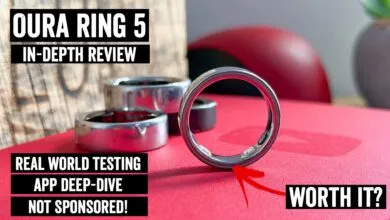
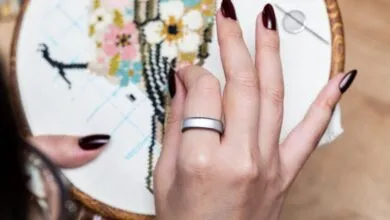
The Oura Ring 4 is the more stylish option, perfect if you want to keep your wrist free or prefer notifications to stay on your phone. I suggest spending a bit extra on the ceramic version. Based on years of testing, metal finishes scratch easily, and rose gold is particularly prone to damage. The sizing kit is non-negotiable; your fingers swell and shrink with weather changes, so you need to test a fit over 24 hours. Keep this in mind if you plan to lose significant weight. The $6 monthly subscription is annoying, but it’s one of the most affordable wearable subscriptions available, and the product itself is excellent.
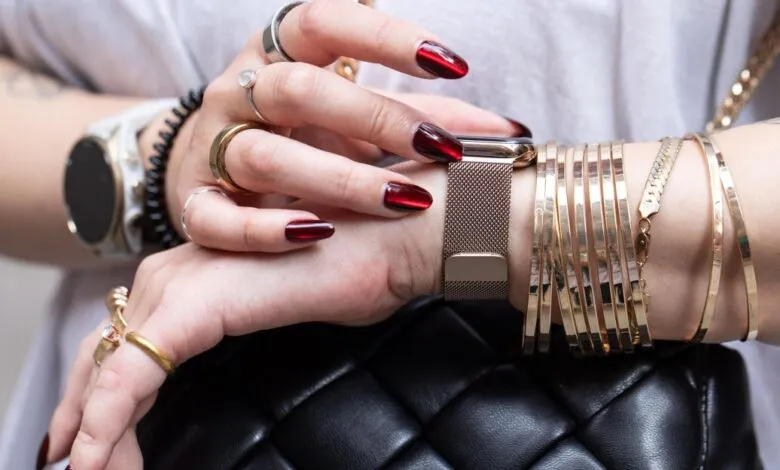
Choose the Fitbit Charge 6 if you want to see the time or stats during exercise. It’s also the better pick if you need a few notifications or don’t want to rely on your phone as much. Leaving your phone in a gym locker while lifting weights is much easier with a Charge 6 than with a smart ring. While Oura feels more premium, you can dress up a Charge 6 with third-party straps. None of the core metrics are behind a paywall anymore, though Google’s experimental AI coach costs $10 monthly or $80 annually.
Honorable mentions: I like Withings’ hybrid smartwatches for blending simple tracking with classic style. The new Pebble watches also appeal to anyone craving the simplicity of 2015-era wearables.
One-stop smartwatch users need more functionality. You want to feel comfortable leaving your phone behind, relying on cellular and emergency calling. When you’re not active, you’d appreciate setting timers, checking weather widgets, unlocking your laptop, or viewing doorbell camera feeds. For you, a smartwatch is the right choice.
Your phone’s operating system now matters. If you own an iPhone, I recommend the Apple Watch SE 3. For Android users, the Google Pixel Watch 4 is my top pick.
The $249 SE 3 offers the best value among new Apple Watches. If you want a larger screen and advanced health features like EKGs, look for a refurbished Series 10 in a nicer material. The Series 11 is fine, but the upgrade from the Series 10 is minimal, so save your money. I don’t recommend the Apple Watch Ultra 3 for most people unless you love its look, exercise heavily, and want the biggest possible battery and screen.
For Android, Samsung phone owners could choose the Galaxy Watch 8. However, I was more impressed by the Pixel Watch 4’s repairability, feature updates, and AI implementation. I’m not a fan of AI fitness features, but Google’s version is among the best I’ve tested.
Honorable mention: Android users seeking superior battery life should check out the OnePlus Watch 3.
Fitness fiends already know who they are. How’s your Whoop band or eight-year-old Garmin holding up? You probably already know what you want and don’t need me to list pros and cons for Garmin, Coros, Polar, Whoop, or Ultra smartwatches. Game recognizes game, and yes, the price increase starting with the Garmin Fenix 8 is absurd.
You don’t really need my opinion, especially since many of you keep DC Rainmaker bookmarked. (He’s great!) Still, here are my thoughts on some products in this space.
I’m a huge fan of the Garmin Forerunner 265, which I consider the ideal running watch. I also enjoyed the Forerunner 970 if you want extra features, but as someone with petite wrists, I prefer the smaller Forerunners. The Forerunner line is a much more budget-friendly alternative to the Fenix while retaining many of the same features. If you can splurge, a newer Garmin with a built-in flashlight is well worth it.
I’ve liked Coros watches overall. Battery life is incredible, but as my colleague Liz Lopatto noted in her Nomad review, the app is better suited for runners than adventurers.
The only people who should care about Whoop are serious athletes. I stand by that in my review of the latest device. Its newer health features are questionable, and the Whoop age feature is my villain origin story. Its forays into wellness leave me concerned.
The Apple Watch Ultra and Samsung Galaxy Watch Ultra are good devices, even if the latter looks ugly on my lady wrist. The Ultra 3 is my current daily driver because I love the giant screen, interoperability with my gadgets, and superior notifications for my work life. That trade-off in battery life is worth it since I constantly switch wearables. But in another life, one where I don’t do this job and spend more time training, I’d be a Garmin Forerunner person.
You don’t need an Oura Ring, but it’s helpful if you prioritize recovery metrics and are committed to a Garmin, Coros, or other smartwatch. (Garmin’s sleep tracking has never been my favorite, though it’s improved.) I’ve run the numbers, and even with the subscription, dual-wielding an Oura and a smartwatch is more cost-effective over three to five years than a Whoop. Since Garmin users tend to keep their devices for an average of eight years, the math works out similarly.
(Source: The Verge)