Galaxy S26 Ultra Lacks Qi2 Magnetic Charging
▼ Summary
– Apple and Google build magnets into their phones to enable easy accessory attachment without requiring a case.
– Samsung’s new Galaxy S26 series lacks built-in magnets, despite being marketed as “Qi2 ready,” which necessitates a case for magnetic attachment.
– Apple introduced built-in magnets in 2020, and Google followed on Android in 2025, making Samsung’s omission with the 2026 S26 series disappointing.
– Potential reasons for Samsung’s decision include increased costs, internal hardware redesign, and an assumption that most users employ cases.
– The article criticizes Samsung for cutting corners and emphasizes that true Qi2 support requires integrated magnets.
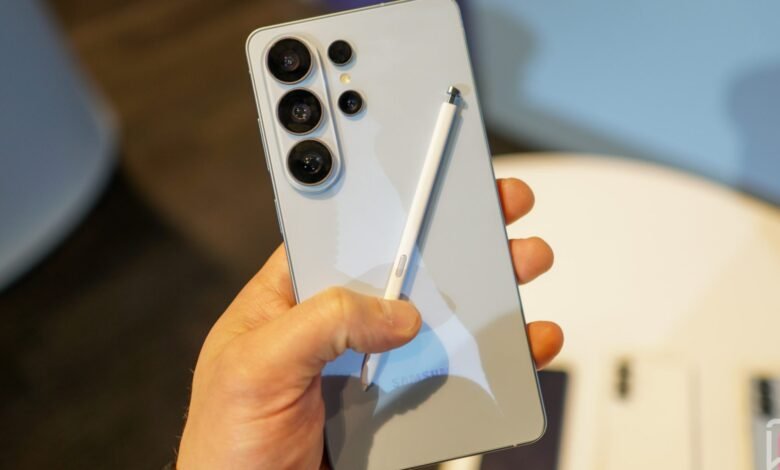
The latest Galaxy S26 Ultra, unveiled today, arrives with a premium price tag but lacks a key modern convenience: integrated magnets for true Qi2 wireless charging. This omission means users who want the seamless magnetic attachment for chargers or accessories will be forced to rely on a special case, a significant step behind the hardware approach adopted by competitors. While Samsung markets the phones as “Qi2 ready,” this designation requires an additional accessory to function, unlike the native magnetic systems found in recent iPhones and Google Pixel models. This decision places the burden of compatibility on the consumer, contrasting with the industry trend of building this functionality directly into the device.
Apple integrated a MagSafe system into the iPhone lineup years ago, and Google followed suit with its Pixel 10 series, establishing magnets as a standard expectation for high-end smartphones. These systems allow for secure, effortless attachment to a growing ecosystem of wallets, stands, and chargers without mandating a specific protective case. Samsung’s choice to forgo this hardware feature in its flagship S26 series, which starts at $1,299, is a notable divergence. The company seems to operate on the assumption that most users will employ a case regardless, but this overlooks the desire for flexibility and the clean aesthetic of a caseless phone or one from alternative brands.
The reasons behind this design choice likely involve cost and internal engineering. Adding a magnet array requires rethinking the device’s internal layout and incurs additional material expenses. By opting for “Qi2 compatibility” instead of full integration, Samsung sidesteps these challenges, but at the expense of a cohesive user experience. It’s a calculated corner-cut that prioritizes manufacturing simplicity over delivering a fully-featured, future-proof flagship. For a device positioned at the top of the market, the absence of such a now-common feature feels like a missed opportunity to lead.
Ultimately, the Galaxy S26 Ultra remains a powerful device, but its charging story is incomplete. Consumers must decide if the phone’s other attributes outweigh this specific compromise. For those unbothered by the need for a case to enable magnetic functions, the device is available for pre-order.
(Source: Droid Life)