Ex-USIP Lawyer: DOGE Is ‘Brass Knuckles for Authoritarians’
▼ Summary
– Elon Musk’s Department of Government Efficiency (DOGE) operatives arrived aggressively at the US Institute of Peace headquarters, an act described as the “brass knuckles on an authoritarian fist.”
– The Trump administration had previously declared USIP unnecessary, fired its board, and attempted to seize control of its $500 million building, but a judge ruled this illegal.
– Despite the court ruling, President Trump’s name was installed on the USIP building ahead of a peace signing to assert control, according to USIP counsel George Foote.
– Many young technologists originally sent by DOGE to various agencies are still working within the federal government, as the group has “just transformed.”
– Foote emphasized the importance of public vigilance in defending the rule of law, expressing confidence that USIP directors will ultimately win their legal challenge.
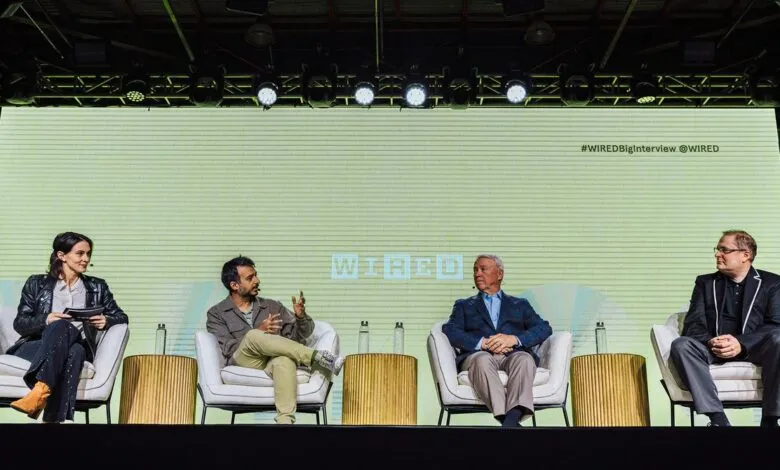
The recent actions of the Department of Government Efficiency, known as DOGE, have sparked significant controversy and legal challenges, particularly concerning its attempted takeover of the United States Institute of Peace. George Foote, outside general counsel for USIP, described the agency’s operatives as arriving like a “strike team” at the organization’s headquarters last spring. He characterized their approach as the “brass knuckles on an authoritarian fist,” suggesting a pattern of aggressive overreach with little clear purpose beyond disruption. Foote shared these experiences during a panel discussion at a WIRED event, highlighting the chaotic nature of the intervention, which even included the bizarre leaving behind of a substantial amount of cannabis.
This confrontation stems from an executive order earlier this year that declared the independent agency unnecessary and called for its elimination. Following that order, the administration dismissed USIP’s ten voting board members. Court records detail multiple attempts by DOGE personnel to gain entry into the agency’s $500 million headquarters before finally succeeding. However, a federal judge later ruled that neither DOGE nor the broader US government had the legal authority to seize control of USIP or its property.
Despite this legal setback, the political struggle continues. Foote noted that the Trump name was recently installed on the USIP building ahead of a high-profile peace agreement signing between Rwanda and the Democratic Republic of the Congo. He interprets this move as a deliberate effort by the president to publicly assert dominance over the facility. Foote is currently representing the ousted USIP directors in an ongoing lawsuit that challenges the legality of their removal.
The panel, which also included former Social Security Administration commissioner Leland Dudek and former DOGE engineer Sahil Lavingia, explored the wider repercussions of DOGE’s disruptive methodology. Lavingia announced his return to government service, now working with the Internal Revenue Service. This shift points to a broader trend, as reported by WIRED, where many of the technologists originally deployed by DOGE to various federal agencies remain embedded within the government. Figures like Edward Coristine, Akash Bobba, and others maintain affiliations, suggesting that DOGE’s influence has not vanished but evolved in form.
Foote emphasized the critical need for public vigilance as the consequences of these actions continue to unfold. He remains confident that the rule of law will ultimately prevail in the USIP case, though he acknowledges the process will be lengthy. His closing remark served as a stark reminder: “The rule of law doesn’t matter if the people don’t stand up to defend it.” This sentiment underscores the fundamental tension between institutional norms and the forceful tactics employed by initiatives like DOGE.
(Source: Wired)