Range Rover EV Looks Like a Gas Model. Here’s Why That Matters
▼ Summary
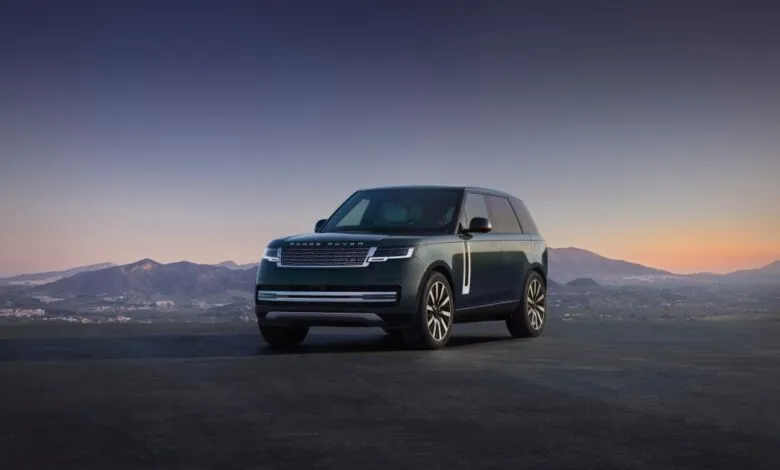
– The Range Rover Electric retains the familiar design of its gas-powered siblings while featuring twin electric motors and a large lithium-ion battery for significant power and range.
– Priced at approximately $140,450 in the US, the vehicle offers V8-level horsepower and rapid DC fast charging capabilities despite a moderate acceleration time.
– Production occurs at the Solihull factory alongside other models, with the brand highlighting over 300 patents to emphasize its technological advancements.
– Advanced features include lightning-fast grip control, one-pedal driving on steep slopes, deep water wading capability, and a heat pump system to preserve range in cold weather.
– After a lengthy development period and delayed delivery promises, the automaker is now accepting orders for this technologically custom-built electric SUV.
The automotive industry is finally realizing that familiarity breeds confidence in the electric vehicle (EV) sector. Rather than attempting to reinvent the wheel with a radical new aesthetic, Range Rover has launched an electric SUV that mirrors its internal combustion engine counterparts. This strategic decision avoids the risk of alienating loyal customers with designs that resemble sleek, futuristic pods. Instead, the brand prioritizes a look that feels instantly recognizable, proving that sometimes sticking to established design language is the most effective path forward.
While the exterior may appear conventional, the engineering underneath is entirely modern. The Range Rover Electric utilizes twin permanent magnet motors, each delivering 260kW, powered by a double-stacked 118.5 kWh lithium-ion battery pack. This configuration provides an estimated real-world driving range of 330 miles. The all-wheel-drive system generates 542 horsepower and 627 lb.-ft. of torque, which the manufacturer characterizes as having “V8 levels of power.”
Charging capabilities are robust, supported by an 800-volt architecture. When connected to a 350 kW charger, the vehicle can recharge from 10% to 80% capacity in just 22 minutes. This translates to approximately 137 miles of range added in only 10 minutes. While the zero-to-60 mph time of 4.3 seconds is not record-breaking compared to high-performance rivals like Lucid or Rivian, the vehicle does not need to shatter speed records to succeed. Its combination of heritage styling and competent specifications targets buyers seeking British sophistication rather than pure track performance.
Extended Development and Pricing Strategy
The journey to market was longer than anticipated. Range Rover initially announced work on an electric model more than five years ago and opened preorders in 2023 with promises of deliveries within a year. Jaguar Land Rover (JLR) took considerable time to fulfill these commitments, but the delay appears to have been used for thorough refinement. The vehicle is now available for order at a starting price of £154,070 in the UK, which equates to roughly $140,450 in the US.
Production will take place at JLR’s Solihull factory, where it will share assembly lines with gas and hybrid models. To highlight the innovation behind the scenes, JLR notes that the vehicle is backed by 300 submitted patents, marking it as the most technologically custom-built Range Rover to date.
Advanced Off-Road and Efficiency Technology
The technological advancements extend beyond basic propulsion. The electric drivetrain features a lightning-fast grip control system. Unlike mechanical gears in traditional vehicles that react slowly to slip, the electric motors adjust power distribution in just 50 milliseconds. This reaction is 100 times faster than in gas-powered cars, providing immediate traction control on surfaces like ice, mud, or loose gravel.
The vehicle also includes a one-pedal drive system calibrated for extreme gradients up to 45 degrees, allowing drivers to navigate steep mountains or crawl over obstacles using only the accelerator. Furthermore, the battery and motors are fully sealed, enabling the SUV to wade through water depths of nearly 3 feet (900mm) without sustaining damage.
Efficiency in cold weather is managed by a built-in heat pump. This system recaptures waste heat to warm the cabin and maintain optimal battery temperature, potentially preserving an additional 25 miles of range during freezing conditions. These features position the Range Rover Electric competitively against rivals such as the Porsche Macan EV and the Lotus Eletre, particularly appealing to buyers who value traditional luxury cues alongside cutting-edge utility.
(Source: The Verge)