NASA Chief Lauds Blue Origin’s Progress After Rocket Failure
▼ Summary
– NASA Administrator Jared Isaacman praised Blue Origin’s response to the May 28 explosion of its New Glenn rocket, calling it “almost beyond impressive” and noting Space Force involvement.
– NASA relies on Blue Origin’s Mk. 1 and Mk. 2 lunar landers for cargo and crewed Moon missions, which depend on the New Glenn rocket for launch.
– Before the accident, Blue Origin aimed to launch its first Mk. 1 cargo mission, Endurance, later this year for a lunar landing.
– Blue Origin CEO Dave Limp stated the company is working to rebuild Launch Complex 36A and launch New Glenn before year’s end, though NASA officials and observers consider a 12- to 18-month timeline more realistic.
– Isaacman emphasized that NASA’s preferred plan is for the Endurance mission to launch on New Glenn, carrying two NASA payloads to the Moon.
NASA Administrator Jared Isaacman offered strong public praise this week for Blue Origin’s handling of its recent launch pad disaster, saying the company has committed substantial resources to recovery efforts since the New Glenn rocket exploded in late May.
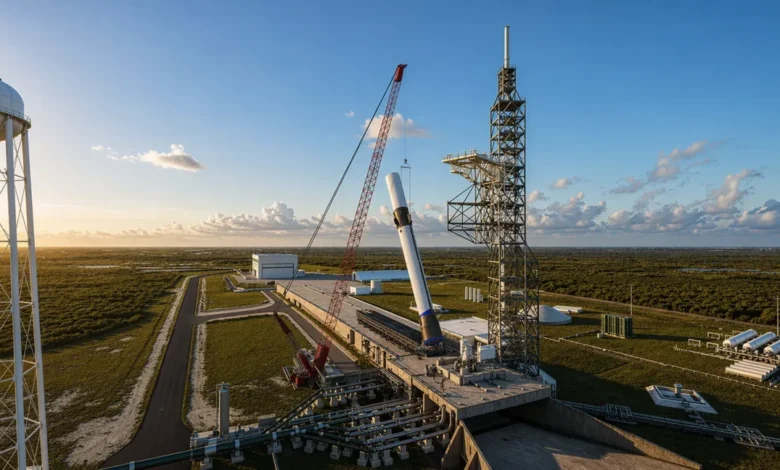
“Blue Origin’s response to the situation is almost beyond impressive, and that’s not just a NASA assessment,” Isaacman told reporters Wednesday. He highlighted that the U. S. Space Force has also maintained a deep involvement in Blue Origin’s planning and operations after the anomaly during a test firing on May 28 destroyed the company’s only operational launch pad.
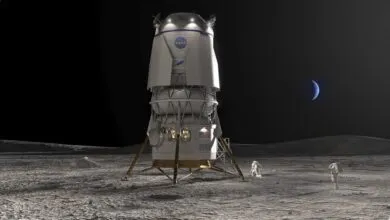
The agency’s interest in Blue Origin’s return to flight is far from academic. NASA is relying on the company’s Mk. 1 lander to deliver dozens of cargo missions to the Moon, while the Mk. 2 lander is being developed to eventually carry astronauts to the lunar surface. The New Glenn rocket was designed to be the primary launch vehicle for both.
Before the accident, Blue Origin was targeting the launch of its first Mk. 1 mission, Endurance, later this year for a cargo landing on the Moon. The company is also working on a test version of the Mk. 2 lander intended for the Artemis III mission, which NASA hopes to fly in the second half of next year.
Company leadership, including CEO Dave Limp, has stated publicly that Blue Origin aims to rebuild Launch Complex 36A, complete the anomaly investigation, and launch New Glenn on a return-to-flight mission before the end of this year. However, some NASA officials privately express skepticism about that aggressive timeline. Most independent analysts estimate a 12- to 18-month window is more realistic for New Glenn to fly again.
Isaacman emphasized this week that NASA’s preferred path forward is for the Endurance mission, carrying two agency science and technology payloads to the lunar surface, to launch on New Glenn.
(Source: Ars Technica)