Qualcomm Skips Windows Gaming Handheld Reveal at GDC
▼ Summary
– Qualcomm has canceled plans to announce updates to its Snapdragon G Series gaming chips or showcase Snapdragon X Series updates at an upcoming event.
– The company attributes a significant dip in its chip business entirely to a severe memory shortage, referred to as “RAMageddon,” driven by AI industry demand.
– This memory shortage is already impacting device manufacturing and availability, including sold-out Steam Decks and potential delays for consoles like the Switch 2 and PS6.
– The delay for Windows gaming handhelds may also be influenced by Microsoft’s new gaming CEO developing a strategy and its tight control over partner announcements.
– Despite delays, there is potential for future Arm-based Windows gaming devices, as Valve’s work on bringing Windows games to Arm architecture shows promising early results.
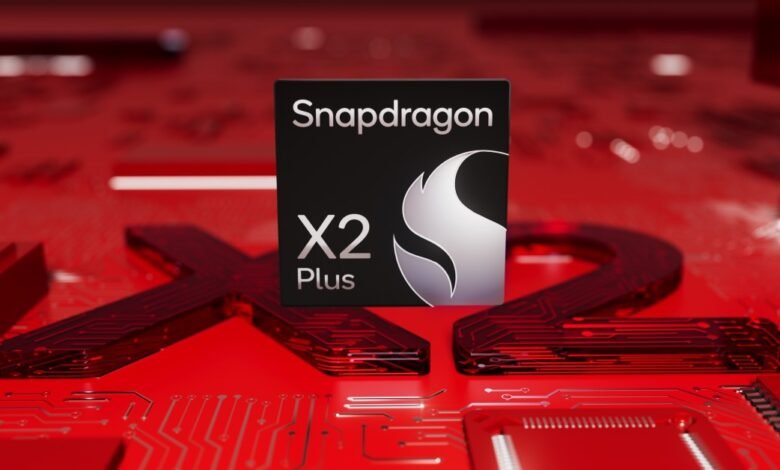
The anticipated reveal of new Qualcomm gaming chips for Windows handhelds at the Game Developers Conference has been unexpectedly canceled. Qualcomm confirmed it will not announce updates to its Snapdragon G Series for gaming devices or offer hands-on time with the new Snapdragon X Series processors at the event. While the company reaffirmed its commitment to advancing PC and handheld gaming, it did not provide a specific reason for the change in plans. Industry observers point to a significant factor: the ongoing and severe global shortage of memory chips, colloquially termed “RAMageddon.”
This component crisis has already deeply impacted Qualcomm’s business. During a recent earnings call, CEO Cristiano Amon directly linked a major downturn in the chip division entirely to the memory shortage. He warned that the artificial intelligence sector’s massive demand for components is likely to constrain the supply for the smartphone industry throughout the entire year. Chief Financial Officer Akash Palkhiwala added that device makers have already begun scaling back their production plans due to these constraints.
The ripple effects of this shortage are being felt across the gaming hardware landscape. Valve’s Steam Deck is experiencing widespread stock shortages, with the company citing component issues as the reason it cannot keep the popular handheld in supply. Analysts suggest the scarcity could also affect future products like a Steam Machine refresh and may even influence the release timing of next-generation consoles from other manufacturers, including Nintendo and Sony.
Another possible influence on the delayed Qualcomm announcement could be Microsoft. The software giant maintains a close partnership with Qualcomm on Windows for Arm platforms and often coordinates the timing of major partner reveals. The recent appointment of a new gaming CEO at Microsoft, who is currently evaluating the broader Xbox strategy, could also be a contributing factor to the scheduling shift.
Unfortunately, the supply situation is predicted to deteriorate further. Market research firm IDC forecasts the steepest annual decline in global smartphone shipments on record. Manufacturers like Samsung are already passing increased costs onto consumers, with new phone models launching at notably higher price points, which company executives partly attribute to rising memory expenses.
Despite the current delays, the future for Arm-based Windows gaming devices holds promise. Valve has been instrumental in developing tools to improve compatibility for Windows games on Arm architecture, and early testing indicates these efforts are yielding positive results. Whenever the new hardware powered by Qualcomm’s next-generation chips finally arrives, it will enter a market where the software foundation for a compelling gaming experience is steadily being laid.
(Source: The Verge)