Memory Exec: RAM Shortage Threatens Products and Companies
▼ Summary
– Phison CEO Pua Khein-Seng warns that a severe RAM shortage could force companies to cut product lines by late 2026, with some facing closure if they cannot secure components.
– The shortage is driven by AI data centers consuming most of the global memory supply, causing prices to skyrocket and creating an unprecedented supply-demand imbalance.
– This scarcity could impact all computing-related products, as only three companies control 93% of the DRAM market and are prioritizing profits over rapid production expansion.
– Consumers may start repairing broken devices more frequently instead of discarding them due to the component shortage and high costs.
– The Verge will publish a follow-up report detailing how this “RAMageddon” will affect consumers, even those who don’t directly purchase memory hardware.
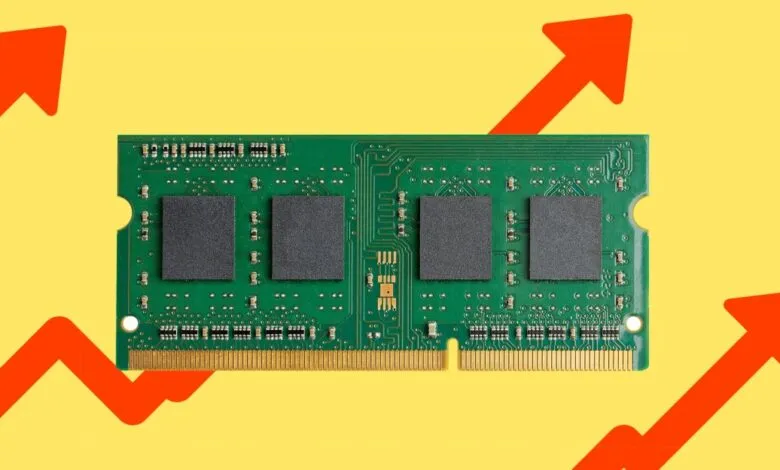
A significant shortage of dynamic random-access memory (DRAM) is poised to reshape the technology landscape, potentially forcing manufacturers to scale back product offerings and threatening the survival of some firms. Phison CEO Pua Khein-Seng, a key figure in the flash storage industry, has publicly endorsed this stark outlook. In a recent interview, he concurred with an interviewer’s suggestion that by the latter half of 2026, companies may need to discontinue product lines, with some facing outright failure if they cannot secure necessary memory components.
The core of the crisis stems from an unprecedented demand surge. AI data centers are consuming the vast majority of the global memory supply, creating a severe imbalance. This has driven RAM prices to skyrocket, with increases of three, four, or even sixfold in recent months. The situation is so acute that even industry giants are feeling the pressure; reports suggest Apple may struggle to procure enough RAM, and Nvidia could potentially delay a gaming GPU release for the first time in decades.
This scarcity extends beyond high-performance computing. The shortage threatens to impact virtually every device with a processor, from smartphones and laptops to everyday appliances. A critical factor intensifying the problem is market concentration. Only three companies control 93 percent of the entire DRAM market. While these firms are expanding production capacity, they are proceeding cautiously to avoid a market glut. Their current strategy prioritizes maintaining high profitability over rapidly increasing output, which could risk future losses from oversupply.
Khein-Seng also predicts a shift in consumer behavior driven by component scarcity. He anticipates that people will begin repairing broken devices more frequently over the next few years, moving away from a disposable mentality, simply because replacement products may become harder to find or more expensive.
The ramifications of this shortage, sometimes dubbed “RAMageddon,” are expected to be far-reaching. It will affect consumers directly, even those who never consider buying memory upgrades, influencing product availability, pricing, and the longevity of the electronics they use daily. The industry’s reliance on a tightly controlled supply chain has created a vulnerability that is now being exposed by the insatiable needs of artificial intelligence.
(Source: The Verge)