Highguard’s Game Awards Finale Slot Was Free, Not Paid
▼ Summary
– Highguard’s finale slot at The Game Awards was poorly received, ending the show on a strange note despite the slot’s usual prestige.
– Contrary to speculation, the game did not pay for its coveted finale spot; showrunner Geoff Keighley offered it because he liked the game.
– Criticism of Keighley for “sending the game out to die” is unwarranted, as the decision was an attempt to help a game he believed in.
– The game has done almost no marketing, with its campaign starting just a week before its January 26, 2026 release date.
– While its free-to-play model and unique “raid” shooter concept are advantages, the generic trailer and hero shooter fatigue present challenges.
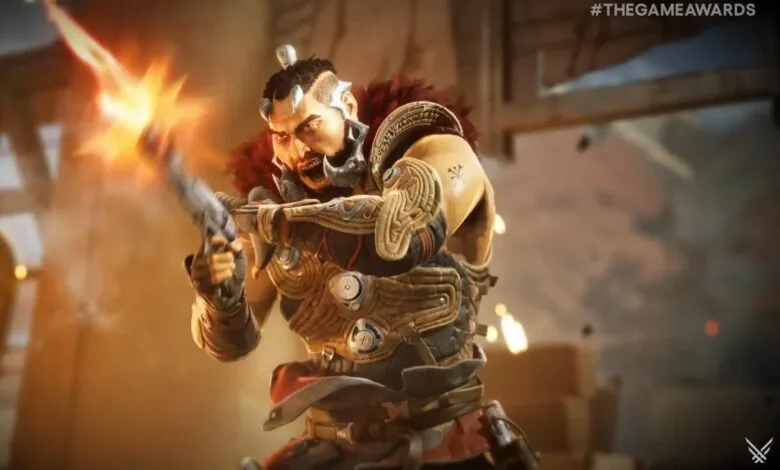
Recent reports have clarified a major point of industry speculation: the final reveal slot at The Game Awards for the upcoming hero shooter Highguard was not a paid placement. This coveted position, which traditionally closes the show with a major announcement, was instead offered to developer Wildlight by showrunner Geoff Keighley, who reportedly believed in the project. This detail counters widespread assumptions that the studio had invested heavily for the prominent showcase, an appearance that ultimately drew significant criticism for its generic trailer and poor reception.
Two independent sources have confirmed that no financial transaction secured the slot for Highguard. While it remains possible another title vacated the position, creating an opportunity, the decision stemmed from Keighley’s personal appreciation for the game. This corroborates earlier reporting on the matter. The narrative that Wildlight “paid big bucks” for a premiere that backfired is simply inaccurate.
In the wake of this revelation, some criticism has been directed at Geoff Keighley, suggesting he set the game up for failure. This perspective seems misplaced. While the choice to feature Highguard in such a high-stakes moment may not have yielded positive results, the intent appears to have been supportive rather than malicious. Keighley offered a massive platform to a game he liked. The final decision to accept rested with Wildlight, a studio that naturally has confidence in its own work; turning down a finale slot at the industry’s biggest awards show would have been an unusual move.
The game’s subsequent marketing strategy has raised further questions. Highguard is scheduled for release on January 26, 2026, yet it has engaged in virtually no promotional activity since its poorly received debut. Apart from a recent, private preview event for press, there has been no effort to build hype, preview characters, or clarify the game’s unique “raid-based shooter” premise. Launching a marketing campaign barely a week before release is a highly unconventional approach, especially when attempting to reshape initial negative impressions.
Being a free-to-play title does offer Highguard a significant advantage: players can try it without financial commitment. Its core concept, a team-based shooter focused on pressing forward and capturing territory, distinguishes it from standard arena or extraction shooters. However, the reveal trailer failed to communicate this effectively, presenting a generic aesthetic that leaned into widespread “hero shooter exhaustion.”
Whether Highguard will succeed or fail remains entirely uncertain. The combination of a lambasted reveal and a last-minute marketing push does not inspire confidence, but the studio’s budget was not depleted by a Game Awards payment. The path forward relies on the upcoming preview coverage and the game’s ability to demonstrate its unique value upon launch. Wildlight has been contacted for comment.
(Source: Forbes)