Cracker Barrel’s Rebrand: A B2B Marketing Lesson
▼ Summary
– The Cracker Barrel rebrand backlash was significantly amplified by bot activity, with nearly 45% of related posts on X estimated to be bot-generated.
– Prophet, the experienced branding agency behind the rebrand, was fired despite its strong reputation and history of successful projects.
– B2B buyers form stronger emotional connections to brands than consumers due to higher personal and professional risks in purchasing decisions.
– Trustworthiness and reliability are the most important brand attributes for B2B buyers when making final purchasing decisions.
– The incident demonstrates how even well-planned rebrands can be derailed by digital ecosystems where bots can quickly turn them into cultural flashpoints.
Now that the initial uproar has subsided, the branding agency has been dismissed, and the original logo reinstated, we can examine the Cracker Barrel rebranding controversy with clearer perspective. Much of the media coverage missed a crucial element behind the swift public backlash, focusing instead on surface-level reactions.
The agency responsible for the redesign, Prophet, is no novice outfit. Founded by Scott Galloway and Ian Chaplen, with branding authority David Aaker serving as vice chairman, Prophet maintains a reputation for meticulous research and strategic discipline. This is an established firm with a roster of elite clients and a long track record of successful brand transformations, raising the question: what truly caused this initiative to backfire so dramatically?
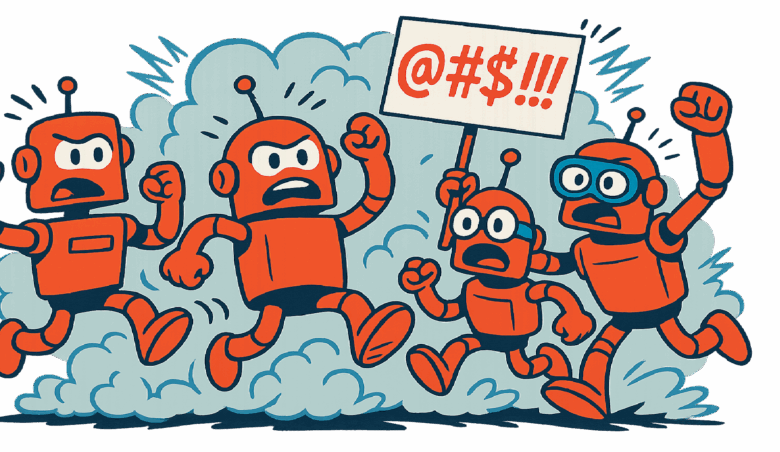
The hidden driver behind the backlash was not organic public opinion, but coordinated bot activity. While public figures’ remarks politicized the situation, the rapid spread of outrage was significantly fueled by automated accounts. According to analysis from PeakMetrics, a firm that collaborates with the U.S. Air Force to detect foreign disinformation, the initial criticism came from legitimate high-follower accounts but was rapidly amplified by bots.
On August 20, the day following the rebrand launch, approximately 400 posts about Cracker Barrel appeared on the platform X every minute. Molly Dwyer, PeakMetrics’ director of insights, noted that 70% of accounts posting used identical messages, with some repeating the same text dozens of times, a classic indicator of bot operations. During that 24-hour surge, nearly 45% of all Cracker Barrel-related posts on X were estimated to be bot-generated, and almost half of all boycott calls originated from these inauthentic accounts.
Why would automated networks target a restaurant chain’s logo change? Foreign entities frequently attempt to inflame political divisions by exploiting audiences already inclined toward negative engagement. Cracker Barrel’s rebrand inadvertently landed in this politicized arena, and automated systems seized the opportunity to magnify the discord.
This incident holds significant implications for B2B marketers. While consumer brands typically enjoy broader visibility, it’s a mistake to assume B2B branding carries less emotional weight or risk. Past research from Google and CEB (now part of Gartner) revealed that B2B purchasers often feel stronger emotional connections to B2B brands than to consumer ones. The reason lies in personal risk, selecting the wrong enterprise solution can damage careers and organizational performance, whereas a disappointing consumer product usually carries minor consequences.
In a survey of over 400 B2B buyers across multiple brands, trustworthiness emerged as the most critical brand attribute in final purchasing decisions, with reliability ranking a close second. This underscores the heightened stakes in B2B relationships, where choices directly impact professional credibility and organizational outcomes.
The Cracker Barrel situation serves as a powerful reminder that even well-researched, strategically sound rebranding efforts remain vulnerable in today’s volatile digital environment. The core issue wasn’t poor design or flawed strategy, it was how automated outrage can commandeer public discourse and transform a routine brand update into a cultural firestorm overnight.
For B2B marketers, the lesson isn’t to avoid rebranding but to recognize the profound emotional investment of their audience. Buyers are inherently more cautious and attentive to trust signals than often assumed. Although B2B brands may operate outside the spotlight of consumer media, missteps can still trigger severe professional repercussions.
As the boundaries between authentic opinion, orchestrated campaigns, and political polarization continue to blur, marketers must navigate rebranding initiatives with both confidence and careful planning. While risk is inherent to any brand evolution, the potential for algorithms and malicious actors to amplify negativity demands unprecedented focus on clarity, authenticity, and alignment with all stakeholders.
(Source: MarTech)