SEO vs. AI Search: Why You Need Both

▼ Summary
– SEO is not dead but thriving, with search engines still commanding 88% of search traffic while AI usage grows rapidly.
– Consumers use both traditional search engines and AI platforms like ChatGPT simultaneously, not as substitutes, increasing total search activity.
– Brands must optimize for both channels holistically, as AI search visitors are 4.4 times more valuable in conversions, while search engines drive top-of-funnel awareness.
– Comprehensive tracking and content optimization are essential, requiring clear, structured answers to user questions and broad topic coverage for both AI and traditional search.
– Successful brands will build integrated strategies that capture traffic and conversions across all search channels, avoiding the false choice between SEO and AI search.
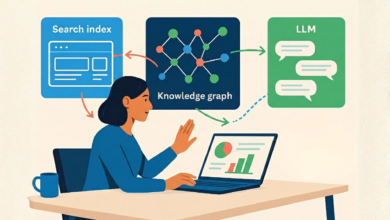
The conversation around search marketing has shifted dramatically with the rise of AI tools, yet search engine optimization remains a cornerstone of digital visibility. Despite predictions that artificial intelligence would make traditional SEO obsolete, the reality is far more nuanced. Consumers aren’t replacing one search method with another, they’re expanding their toolkit to include both conventional search engines and AI platforms. This evolution creates a powerful opportunity for brands that understand how to leverage both channels effectively.
Viewing search engines and AI platforms as competing forces represents a dangerous oversimplification. Marketing professionals often gravitate toward binary choices when allocating resources, but this either-or mentality fails to reflect how people actually search for information today. These are complementary discovery channels that serve different purposes throughout the customer journey. The psychological appeal of choosing one path over another stems from our desire for clear investment decisions, but the data reveals a more complex picture.
Recent statistics show Google’s global search market share has dipped slightly, while ChatGPT continues its rapid growth toward projected billion-user adoption. These figures might suggest a straightforward substitution effect, but deeper analysis tells a different story. Research indicates that people who use ChatGPT actually increase their Google search activity rather than decreasing it. Instead of replacing their existing search habits, consumers are layering AI tools on top of their established behaviors.
This behavioral shift creates compounded opportunities, particularly for ecommerce businesses. Organic search continues to drive significant commercial outcomes, with Google generating over 43% of ecommerce website traffic and nearly a quarter of all online sales. Simultaneously, shopping-related queries within ChatGPT have shown measurable growth, indicating that AI platforms are becoming increasingly relevant for commercial discovery. The total landscape for search visibility has expanded considerably as consumers distribute their queries across multiple platforms.
Building an effective holistic search strategy begins with comprehensive measurement. Brands need visibility into performance across both traditional search engines and AI platforms, which often requires breaking down data silos. Enterprise-level tools can provide integrated tracking that monitors brand visibility, citations, and sentiment across all search environments. This unified view enables strategic decisions that deliver benefits across multiple search channels.
Content optimization principles remain consistent across search formats, though execution may vary. The foundational questions of “who, what, where, when, and why” continue to form the backbone of effective content. AI models recognize when content comprehensively addresses the question clusters users actually care about. Covering multiple related questions improves topical completeness and increases the likelihood of appearing in AI-generated responses.
Content must provide full contextual understanding of topics rather than focusing on isolated keywords. When discussing sustainable products, for example, effective content would naturally incorporate related concepts like eco-friendly materials, ethical sourcing practices, and sustainable packaging solutions. This approach strengthens content authority while expanding visibility across diverse search queries. The goal is conceptual completeness without resorting to keyword stuffing.
Readability and structure significantly impact content performance across both human and AI audiences. Logical organization, clear heading hierarchies, and scannable formatting ensure that information is easily digestible for all consumers. Some platforms offer real-time scoring that identifies optimization opportunities for both traditional and AI search performance, enabling brands to create content that performs effectively across multiple channels.
The revenue implications of this dual approach are substantial. AI search visitors demonstrate significantly higher conversion value compared to average organic search visitors, often arriving with more context and clearer purchase intent. Meanwhile, traditional search engines continue to drive the majority of top-funnel discovery and brand awareness. Brands that optimize for both channels capture high-value conversions while maintaining volume from established sources.
Practical adaptation requires specific actions across different time horizons. Immediate steps include implementing cross-channel tracking and auditing existing content for AI platform visibility. Within ninety days, brands should evaluate whether their content structure supports both traditional crawling and AI interpretation. Longer-term strategic priorities involve building organizational capabilities that treat search holistically and developing content strategies that engage customers regardless of where they begin their search journey.
The fundamental misunderstanding in the SEO versus AI search debate lies in assuming customers choose one platform over another. Modern search behavior involves using multiple tools, often within the same research process. Brands that will dominate search in the coming years recognize this diversification and build systems to maintain visibility wherever their customers seek information.
(Source: MarTech)