Beyond Google: Discover the Top Search Engines You Haven’t Heard Of

▼ Summary
– Google dominates the search engine market with over 89% share, but its share has recently dropped below 90% for the first time since 2015.
– Alternative search engines, AI tools like ChatGPT, and social media platforms are gaining traction and changing search behavior, offering diverse options beyond Google.
– Marketers should choose search engines based on audience relevance rather than just volume, as different engines attract distinct demographics and user intents.
– Key alternative platforms include Bing, Yandex, DuckDuckGo, Baidu, Ecosia, and social media like TikTok, YouTube, and Reddit, each with unique user bases and features.
– A holistic SEO strategy should incorporate multiple search channels, including AI and social media, to effectively reach target audiences wherever they search.
While Google continues to dominate the search engine landscape with a market share exceeding 89%, relying solely on this single platform is no longer a sustainable strategy for modern marketers. The digital search environment is rapidly diversifying, with users increasingly turning to alternative platforms, including AI-driven tools, privacy-focused engines, and social media channels, to find information, products, and services.
Two primary factors drive this shift. First, search behavior itself is evolving. Data indicates a noticeable decline in traditional Google searches, coinciding with the rising adoption of large language models like ChatGPT and Perplexity, as well as visual and social platforms such as TikTok and Reddit. Second, different search engines attract distinct user demographics. Understanding your audience is essential; where they choose to search should inform where you choose to appear.
For instance, sustainability-focused brands might find value in optimizing for Ecosia, a green search engine that plants trees with each query. Similarly, brands targeting male audiences could see stronger engagement on Reddit, where nearly 60% of users are men. It’s not always about volume, sometimes it’s about alignment and intent.
Recent trends underscore this transformation. In late 2024, Google’s market share dipped below 90% for the first time in nearly a decade. Competitors like Bing and DuckDuckGo have gained ground, while AI tools and social search have redefined what it means to “look something up.” Nearly 70% of marketers believe social platforms will outperform brand websites for direct shopping in 2025, and over 40% of Millennials and Gen Z have made purchases directly on social media in recent months.
This doesn’t mean abandoning Google, far from it. With billions of daily searches, it remains the most significant player in organic and paid search. However, marketers must broaden their perspective. Effective search strategy now involves a presence across multiple touchpoints, tailored to user preferences and behaviors.
Consider the following leading search platforms beyond Google. Bing holds a 3.95% global market share and appeals especially to older, professional users. Its integration with Microsoft’s Copilot AI offers summarized answers, though this can reduce click-through rates to websites.
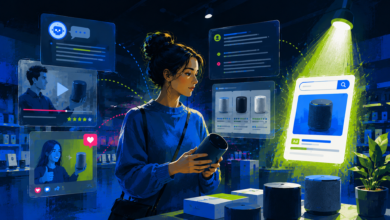
AI tools like ChatGPT and Perplexity are not traditional search engines, they generate responses rather than index web pages, but they are increasingly used for search-like queries. ChatGPT’s user base skews male and young, with nearly half of its users under 25. Perplexity stands out for its source citations and clean, bullet-point-style answers.
Social platforms also function as de facto search engines, especially among younger demographics:
- YouTube records 3.5 billion daily searches, and its videos frequently appear in Google results.
- TikTok and Reddit have become go-to resources for authentic reviews and community-driven recommendations. In fact, 95% of Reddit users find its search results helpful, and many consider them more trustworthy than Google’s.
Looking ahead, marketers must adopt a holistic approach to search. This means optimizing for voice search, leveraging AI overviews, and maintaining a presence on emerging and niche platforms. It’s no longer enough to rank on Google, brands must be discoverable wherever their audience is looking.
The key is to align your strategy with your audience’s preferences. Analyze demographic data, test different platforms, and track where your most valuable traffic originates. In a fragmented search landscape, relevance often trumps reach. By understanding and adapting to these shifts, marketers can not only survive but thrive in the new era of search.
(Source: HubSpot Marketing Blog)