How Zero-Click Search Impacts Small Brands’ Online Visibility & Budgets

▼ Summary
– AI-powered search tools like ChatGPT are transforming how people search, forcing brands to rethink their strategies and team responsibilities.
– AI-driven search blurs the lines between performance and brand marketing, requiring a data-driven approach to align with business goals.
– Brands are prioritizing blogs, press mentions, and detailed content to ensure visibility in AI-generated results and maintain consistent narratives.
– Attribution remains a challenge in AI-driven environments, making it difficult for brands to measure the impact of traditional SEO versus AI-driven traffic.
– While brands continue investing in traditional SEO, they are also testing AI optimization to adapt to zero-click search trends and authoritative content needs.
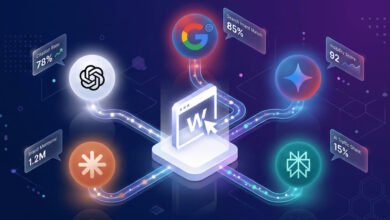
The rise of zero-click search is transforming how small and mid-sized brands approach digital visibility, forcing marketers to rethink traditional SEO strategies and budget allocations. With AI-powered tools like ChatGPT and Google AI Overviews reshaping user behavior, companies now face the challenge of appearing in conversational search results rather than relying solely on keyword rankings.
Performance marketing once dominated search strategies, focusing on precise metrics like click-through rates and conversions. Today, brands must balance performance goals with broader awareness efforts as AI blurs the lines between these disciplines. Katya Constantine, CEO of DigiShop Media, emphasizes the need for data-driven approaches that align with overarching business objectives.
To stay competitive, brands are investing in diverse content formats, blogs, press releases, and detailed landing pages, that AI tools can easily parse. Taskrabbit’s VP of Marketing, Tamara Rosenthal, notes that optimizing announcements and executive quotes has become crucial for surfacing in AI-generated answers. This shift merges organic SEO with brand storytelling, requiring cohesive messaging across all digital touchpoints.
Budget reallocations are inevitable, though many brands remain cautious amid economic uncertainty. Tom Telford of Clarity Global highlights the growing need for collaboration between PR, marketing, and advertising teams to maintain a unified brand narrative. Yet, measuring success in AI-driven environments presents new hurdles. Attribution remains murky, with marketers struggling to pinpoint whether traffic spikes stem from traditional SEO or AI-powered discovery.
Bryan Demaranville of Melinda Maria admits the difficulty in tracking AI’s influence, while Jeffrey Lee of DIBS Beauty reports minimal direct traffic from ChatGPT. Despite these challenges, small businesses continue prioritizing traditional SEO while experimenting with AI as a supplementary channel. The key, Lee suggests, is balancing proven tactics with ongoing testing in emerging search landscapes.
Unlike publishers, brands aren’t facing an existential threat from zero-click search, yet. Instead, they’re adapting by strengthening their authority and refining content to appear in AI-generated summaries. As Constantine puts it, consistency is now the cornerstone of success in an unpredictable digital ecosystem.
(Source: Digiday)