This Underrated Music Streaming App Outperforms the Giants

▼ Summary
– The author switched from Spotify to Tidal, then to Qobuz, seeking better audio quality and avoiding AI-generated music.
– Qobuz’s AI charter includes 100% human editorial curation, prioritizing detection and exclusion of AI music, and prohibiting AI crawlers from scraping its catalog.
– Qobuz offers the same high-resolution audio quality as Tidal (24-bit/192 kHz) and partners with Soundiiz for free music library transfers.
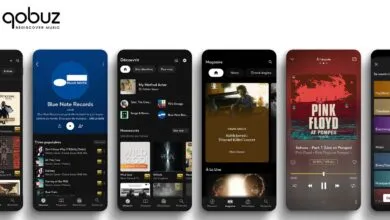
– Qobuz’s homepage prioritizes discovery with editor-selected new music, but lacks features like lyrics and recent listening history.
– The author recommends Qobuz as a strong alternative to Spotify, citing its human-first approach to music curation and slightly lower annual subscription cost.
Almost a year ago, I finally cut ties with Spotify Premium after a decade of loyalty. The AI-generated clutter, rising subscription costs, mediocre audio fidelity, and a growing obsession with podcasts and audiobooks had worn me thin. I jumped to Tidal, which solved many of those headaches. But just two weeks ago, while researching how to dodge AI-made music on Spotify, I stumbled upon a blog post from Qobuz , and realized I’d overlooked a serious contender for years.
I’ve been using Qobuz for a week now. I can’t believe I waited this long.
Qobuz takes a human-first approach to music, and it’s the firmest stance against AI I’ve seen from any streaming app. I’d noticed Qobuz before, but it never seemed like a real alternative. Then a January blog post , “Why We’re Taking a Human‑First Stand on AI‑Generated Music” , changed my mind. It lays out the company’s AI charter, which includes three standout commitments: all editorial curation is 100% human; the platform prioritizes detecting and excluding AI-generated tracks; and it prohibits AI crawlers from scraping its catalog.
To be fair, Qobuz still uses AI for low-value tasks like translation and improving recommendations. It’s not perfect. But its firm stance against AI-generated music goes far beyond what most platforms offer. That earns applause, but good intentions mean nothing if the app itself falls short.
Qobuz is a music-first app with a unique approach, and it’s a substantial upgrade from Spotify. When I switched from Tidal, Qobuz instantly impressed me by partnering with Soundiiz to transfer my entire library for free , I had paid for that service myself before. In minutes, everything moved over without a hitch.
I had six reasons for leaving Spotify, so I checked them against Qobuz: I’m paying less. Qobuz’s annual subscription ($10.83/month) beats Tidal’s $10.99 monthly, though its monthly plan ($12.99) matches Spotify’s. Music quality matches Tidal with 24-bit, 192 kHz and lower options. No bloated AI features , check. Relevant recommendations? This is trickier. Qobuz’s homepage prioritizes discovery with editor-curated new releases, not my recent listens. I’m still deciding if I like that, but I can sort my library by recent activity. Search is stripped down, showing only recent searches , a relief from Spotify’s overwhelming suggestions. And my entire Tidal library imported without a hitch.
So Qobuz beats Spotify. But is it better than Tidal? Sort of.
Qobuz’s gimmick is educational. It’s not just a streaming service; it hosts an online magazine with music recommendations, interviews, Hi-Fi tips, and more. This magazine is built into the app between Discover and Library tabs. I prefer my music apps to focus solely on music, so I’m a bit annoyed. But the magazine is solid, and I’ve found myself reading multiple articles. Recommendations lean toward new releases rather than algorithms, though algorithms still drive some suggestions. I wish I could customize my homepage.
Qobuz also lacks a lyrics feature , a strange omission for even basic music apps. Playlist management feels clunky, and it doesn’t play well with my Google Home speakers (a problem I had with Tidal, too).
Despite these flaws, I’m switching to Qobuz. It offers a fantastic streaming experience while helping avoid the plague of AI slop. The quality-of-life improvement isn’t as dramatic as my move from Spotify to Tidal, but Qobuz edges ahead in enough small ways that I’m happy with the change. If you’re still on Spotify, there are plenty of good reasons to make the leap.
(Source: Android Police)