Google revamps image search for 25th anniversary with more AI and photos
▼ Summary
– Google launched image search 25 years ago, inspired by the public’s desire to see Jennifer Lopez’s green Versace dress from the 2000 Grammys.
– The original image search launched in July 2001 to let users find pictures instead of just reading about them.
– Google is now updating image search with a refreshed experience that includes expanded AI features.
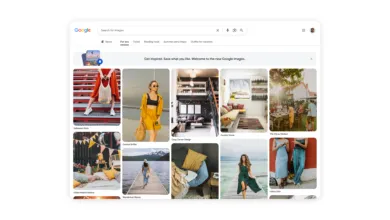
– The current Google Images site has a minimalist search bar, but the new version will show a gallery of images before the user searches.
– The new gallery will be continuously updated based on the user’s web and search history on Google.
Twenty-five years ago, the internet had no way to search for pictures. That changed in July 2001 when Google Image Search went live, and now the company is marking the milestone by rolling out a major refresh that leans heavily into AI-powered personalization. The updated experience arrives just as Google celebrates its image search silver anniversary, and the changes are substantial.
The origin story of Google Images is rooted in pop culture. According to the company, the feature was born out of the iconic green Versace dress Jennifer Lopez wore to the 2000 Grammy Awards. At the time, people searching for that dress didn’t want text-based results. They wanted visuals. Google engineers recognized this need and built the first dedicated image search tool. A quarter-century later, it is easy to forget just how revolutionary it was to simply type a query and see pictures instantly.
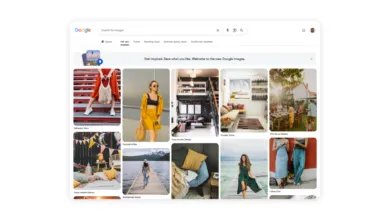
Today, the Google Images homepage is remarkably clean, featuring only a search bar. This minimalist design stands in contrast to Google’s main search page, which now includes several AI buttons and dropdown menus. That simplicity is about to change. The new Google Images interface will display a dynamic gallery of images before users even type a query.
This gallery will not be static. Google says it will update continuously based on your interests. In practice, “your interests” translates directly to your web and search history. The content you click on and the topics you explore will shape the images Google surfaces in this fresh, AI-driven layout. It is a significant shift toward a more proactive, personalized search experience.
(Source: Ars Technica)