Microsoft Reverses Some Copilot AI Changes on Windows

▼ Summary
– Microsoft is reducing the number of entry points for its Copilot AI in Windows 11, starting with apps like Photos and Notepad.
– The company aims to be more intentional, focusing AI integration only where it is “genuinely useful” for users.
– This shift reflects growing consumer concerns about AI, with a recent study showing increased public worry over trust and safety.
– Microsoft has previously scaled back or delayed AI features like Recall due to privacy concerns and user feedback.
– Alongside the AI changes, Microsoft is introducing other Windows 11 improvements, including more taskbar placement options and faster File Explorer.
Microsoft is refining its approach to artificial intelligence within Windows 11, adopting a more measured strategy by scaling back the presence of its Copilot assistant in several core applications. This shift represents a notable pullback from the company’s earlier, more aggressive integration plans, signaling a response to user feedback and a desire to implement AI where it provides clear, practical value.
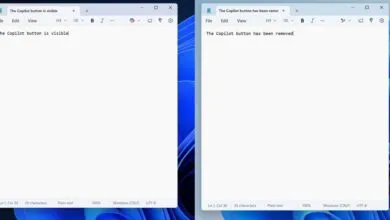
The tech giant confirmed it will reduce Copilot integrations starting with the Photos app, Widgets, Notepad, and the Snipping Tool. Pavan Davuluri, Executive Vice President of Windows and Devices, framed the move as part of an effort to be more intentional about “how and where Copilot integrates across Windows.” The stated objective is to concentrate on developing AI experiences that are “genuinely useful” to people, embracing a philosophy where less can indeed be more.
This recalibration likely mirrors broader consumer sentiment regarding AI proliferation in software. While recognized as a powerful tool, artificial intelligence also sparks significant concerns over privacy, security, and overall trustworthiness. Recent research underscores this tension; a study indicated a marked increase in the number of U. S. adults who are more concerned than excited about AI’s growing role in daily life.
Microsoft’s latest adjustment is not an isolated event. Reports surfaced earlier that plans to embed Copilot-branded features deeply into system areas like File Explorer and the Settings app had been quietly postponed. This follows the company’s previous, high-profile delay of the Windows Recall feature for Copilot+ PCs, which was held back for over a year to address substantial privacy worries. Even after its eventual release, security researchers continue to identify vulnerabilities in that particular AI tool.
It is evident that user feedback is directly shaping Microsoft’s decisions on AI implementation for its flagship operating system. Davuluri noted that his team has dedicated recent months to listening to community input on desired improvements for Windows. The scaling back of Copilot is one component of a broader set of enhancements announced alongside it.
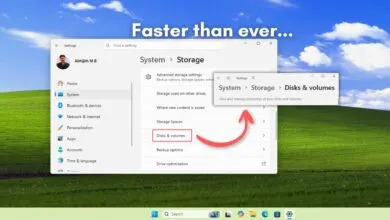
The company also revealed several other user-requested changes coming to Windows 11. These include granting users the ability to reposition the taskbar to the top or sides of the screen, offering more control over system updates, and boosting the performance of File Explorer. Additionally, Microsoft plans to refine the Widgets experience, update the Feedback Hub, and simplify navigation within its Windows Insider Program, which serves as a crucial channel for gathering community insights on future developments.
(Source: TechCrunch)