FBI Resumes Buying Americans’ Location Data, Insider Confirms
▼ Summary
– The FBI has resumed purchasing location data of Americans without a warrant, reversing a policy confirmed in 2023.
– FBI Director Kash Patel defended the practice, stating it provides valuable intelligence and is conducted within legal boundaries.
– The agency previously purchased such data for a specific national security project but had stated that activity was no longer active.
– Senator Ron Wyden criticized the practice as an unconstitutional end-run around the Fourth Amendment.
– Wyden also expressed concern about the combination of this data purchase with AI analysis of private information.
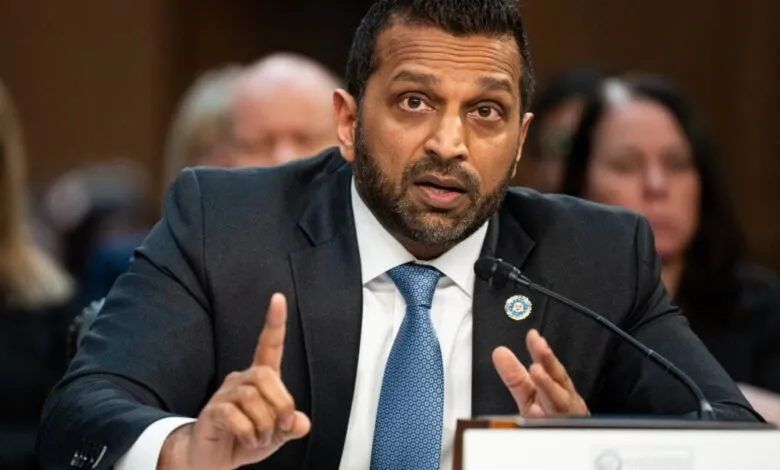
The Federal Bureau of Investigation has resumed its practice of acquiring commercially available location data on American citizens, a significant policy reversal that reignites a fierce debate over privacy and surveillance. This confirmation came directly from FBI Director Kash Patel during a recent Senate intelligence committee hearing, where he defended the purchases as a vital tool for national security. The practice involves buying data aggregated from ordinary apps and services, a method that allows the government to access detailed movement patterns without the need for a traditional warrant, raising profound constitutional questions.
During the hearing, Senator Ron Wyden of Oregon pressed Director Patel on the issue, referencing a 2023 statement from former FBI Director Christopher Wray. At that time, Wray had indicated the bureau was not purchasing such data and that any prior purchases were for a limited, inactive pilot project. Wyden directly asked Patel if he would commit to halting the acquisition of Americans’ location information. Patel’s response was unequivocal: the FBI will continue to use all available tools within legal boundaries, asserting that these purchases yield “valuable intelligence” and are conducted in compliance with the Electronic Communications Privacy Act.
This stance drew immediate criticism from Senator Wyden, who characterized the warrantless data acquisition as “an outrageous end-run around the 4th Amendment.” He emphasized the heightened dangers posed by modern artificial intelligence systems, which can process these massive troves of private information with unprecedented speed and scale. The core of the controversy lies in the legal loophole exploited by this practice. Because the data is commercially available from third-party brokers,who originally obtain it from smartphone apps,the government argues it does not constitute a “search” requiring judicial oversight, a position that privacy advocates and some legal scholars vehemently contest.
The FBI’s renewed reliance on this intelligence-gathering method highlights a persistent tension between security imperatives and civil liberties. Proponents within law enforcement argue that such data is crucial for tracking threats and solving crimes, providing leads that might otherwise be impossible to obtain. However, critics warn that it creates a pervasive surveillance apparatus, enabling the government to map the daily lives of millions of innocent people based on the sensitive digital footprints they leave behind through everyday technology use. This development ensures that the debate over the limits of government surveillance in the digital age will remain at the forefront of legislative and legal battles for the foreseeable future.
(Source: Ars Technica)