Google’s New Protocol: The Future of Search Conversions

▼ Summary
– Google’s Universal Commerce Protocol (UCP) is a new system enabling consumers to complete purchases directly within AI interfaces like Gemini without leaving Google’s ecosystem.
– UCP works by standardizing communication between AI and merchant checkout systems, using existing Google Merchant Center feeds to fetch inventory and process transactions.
– A key benefit for brands is that they remain the merchant of record, retaining customer data and controlling the post-purchase experience, unlike on some third-party marketplaces.
– To succeed with UCP, merchants must master their product feed data hygiene, including detailed titles, descriptions, images, and required attributes like return policies.
– Adopting UCP requires technical upgrades, such as migrating to the Merchant API, and preparing for new Google pilot programs like the “Business Agent” for the agentic commerce era.
Google’s new Universal Commerce Protocol (UCP) represents a fundamental shift in how online sales will be conducted. As AI-powered search experiences like AI Overviews and Gemini become the primary interface for users, this protocol allows consumers to complete entire purchases without ever leaving Google’s ecosystem. For businesses, this means adapting to a future where conversions happen directly within large language models (LLMs), transforming the search engine results page into a powerful transactional engine.
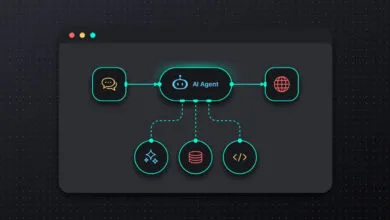
Currently in beta, UCP acts as an invisible bridge. It standardizes communication between consumer-facing AI and merchant checkout systems. When a user asks an AI assistant to find and buy a product, UCP enables the AI to securely fetch real-time inventory, process payments, and confirm the order, all within the same conversational interface.
The mechanics are designed for integration. UCP plugs directly into your existing Google Merchant Center (GMC) shopping feeds. The product data you already manage for campaigns will power these new AI transactions. Crucially, you retain ownership of the customer relationship. You remain the merchant of record, process the transaction, and control all first-party customer data and the post-purchase experience. This model aims to create a frictionless checkout process, potentially reducing cart abandonment and boosting conversion rates from high-intent shoppers discovered through AI.
To succeed in this new landscape, brands must focus on core fundamentals, starting with their product data. In an AI-driven commerce environment, your feed is your primary sales tool.
Mastering feed data hygiene is non-negotiable. Enrich your product listings with granular details so AI can accurately match them to specific user queries. This involves creating product titles with at least 30 characters and descriptions exceeding 500 characters. Include Global Trade Item Numbers (GTINs) for precise matching and provide three or more high-quality supplemental images (at least 1,500×1,500 pixels), using lifestyle shots instead of just plain backgrounds. You must also categorize inventory properly and prepare specific UCP attributes covering returns, support, and policy information. Supporting Google’s Native Checkout is recommended for optimal integration.
Highlighting convenience and trust signals directly in your feed is equally critical. As AI helps users make swift purchasing decisions, these elements become key differentiators. Clearly indicate offerings like free shipping, display shipping speeds, and share your return policy. Always submit the most accurate pricing, including sale prices, and ensure product ratings are included. This data directly influences purchase confidence and conversion.
Preparing for UCP also requires technical upgrades. Work with development and SEO teams to migrate from the Content API to the Merchant API for real-time inventory updates. Upgrade your website tags and implement Conversion with Cart Data to leverage first-party data effectively. For SEO, prioritize indexing content-rich pages and ensure structured data is backed by visible content. Claim your Business and Brand Profiles on Google and have developers explore the UCP open-source resources on GitHub to prototype API integrations for checkout and order management.
Google is piloting several initiatives for this agentic era. Proactive brands should prepare for tools like the “Business Agent,” a virtual brand representative that answers product questions on Google. Explore the “Direct Offers Pilot” for presenting exclusive AI-mode discounts and inquire about the “Conversational Attributes Pilot,” which introduces new Merchant Center attributes designed for discovery in conversational commerce.
The emergence of UCP underscores that the future of search is transactional and embedded within LLMs. It presents a significant opportunity to increase conversions by removing friction between discovery and purchase. Capitalizing on it, however, demands a renewed focus on the quality of your product data and technical integrations, moving beyond mere ad management to build a foundation for AI-native commerce.
(Source: Search Engine Land)