Lawmakers Challenge FBI’s Warrantless Surveillance Powers
▼ Summary
– A bipartisan coalition introduced the Government Surveillance Reform Act of 2026, which would require the FBI to obtain a warrant for backdoor searches of Americans’ communications.
– The legislation aims to repeal expansions of warrantless wiretapping and overhaul surveillance law before a key spy program expires on April 20.
– The bill’s sponsors argue that surveillance powers under Section 702 of FISA have been stretched beyond their original intent, outpacing privacy protections.
– Internal oversight mechanisms have been dismantled, including the FBI’s compliance office and independent watchdogs within the intelligence community.
– There has been a broader shift toward using surveillance and law enforcement tools against domestic targets, including journalists and political groups.
A bipartisan group of lawmakers has introduced a major bill to overhaul federal surveillance powers, setting the stage for a political clash just weeks before a critical intelligence program expires. The Government Surveillance Reform Act of 2026 would mandate warrants for FBI searches of American communications, a direct response to a federal court ruling that found the current warrantless practice unconstitutional. This legislative effort, led by Senators Ron Wyden and Mike Lee alongside Representatives Warren Davidson and Zoe Lofgren, seeks to repeal controversial expansions of government surveillance authority and fundamentally reshape the legal landscape established by Section 702 of the Foreign Intelligence Surveillance Act (FISA).
The sponsors argue the bill is a crucial update to privacy protections that have failed to keep pace with technological change. Wyden pointed to the proliferation of commercially available data and artificial intelligence, stating these advancements have “far outpaced the laws protecting Americans’ privacy.” Davidson contended that Section 702 has been stretched “far beyond its original purpose” to facilitate domestic searches that violate constitutional rights. This program allows the collection of communications of non-Americans abroad, but it inevitably captures massive amounts of data belonging to U.S. persons, which the FBI then queries without a warrant, a tactic critics label a “backdoor search.”
A significant point of contention is what Congress does not know. In a recent speech, Wyden warned that legislators are debating reauthorization with incomplete information, citing a “secret law” related to Section 702 that administrations have refused to declassify. “When it is eventually declassified, the American people will be stunned that it took so long and that Congress has been debating this authority with insufficient information,” he stated.
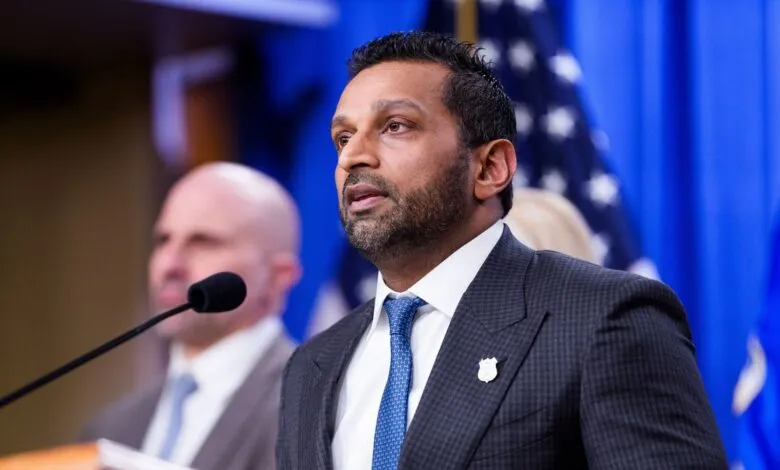
This push for reform comes as internal oversight mechanisms have been systematically weakened. After previously criticizing warrantless searches, FBI Director Kash Patel now defends them as a “critical tool.” In 2025, he shuttered the FBI’s Office of Internal Auditing, the unit responsible for driving a dramatic reduction in improper searches of American data. The FBI had previously highlighted that improved compliance rate as a key reason a warrant rule was unnecessary.
Parallel changes have occurred in the broader intelligence oversight structure. Director of National Intelligence Tulsi Gabbard has overseen a hollowing out of independent watchdogs, including the dismissal of multiple inspectors general and the incapacitation of the Privacy and Civil Liberties Oversight Board. Gabbard also faces a whistleblower complaint alleging she shared sensitive National Security Agency intercepts with the White House for political purposes.
This erosion of internal checks coincides with a reported shift toward using national security tools against domestic targets. Following a 2024 directive from former FBI deputy director Paul Abbate that encouraged agents to query Americans’ data to justify the program’s existence, the administration has conducted raids on journalists’ homes and issued a presidential memo redirecting counterterrorism resources toward domestic political groups. The combined effect, argue civil liberties advocates, creates an urgent need for the legislative safeguards proposed in the new bill.
(Source: Wired)