Smartphone Boom Winners Predict the Next Big Tech Gadget

▼ Summary
– The next wave of consumer tech devices may be discreet, screenless wearables like pins, pendants, and smart glasses, powered by new chips from companies like Qualcomm.
– Tech giants are racing to create the next hit AI product, hoping these devices can perform unique tasks like instant translation or context-aware assistance better than a smartphone.
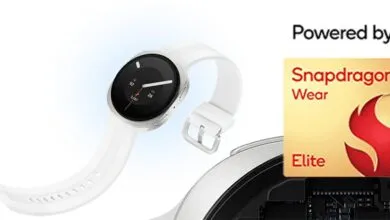
– Qualcomm’s new Snapdragon Wear Elite chip is designed for such wearables, focusing on efficient AI processing and battery life for devices that often record and communicate.
– Major companies including Meta, Google, Samsung, Apple, and Amazon are investing in or developing these AI-powered wearable devices.
– A significant challenge for adoption is overcoming privacy concerns, as these always-on, recording devices raise fears of surreptitious surveillance and require responsible design.
The future of personal technology might not involve a screen you stare at, but rather devices you wear that blend seamlessly into your daily life. Qualcomm, a leading chipmaker for smartphones, has unveiled a new processor specifically designed for the next generation of wearable AI gadgets. This move signals a significant shift as major tech companies search for the breakthrough product that follows the smartphone, betting that artificial intelligence will be the catalyst. These emerging devices take forms like smart glasses, AI pins, pendants, and voice-recording bracelets, aiming to offer capabilities that phones currently cannot.
Tech firms are in a fierce race to determine if AI’s surge will birth a must-have device, much like the internet enabled the smartphone revolution. Qualcomm’s chips are inside millions of devices from brands like Samsung and Google, making its strategic pivot a notable indicator of industry direction. However, for these novel gadgets to succeed, companies must demonstrate clear advantages over the ubiquitous smartphone and directly address the serious privacy concerns that come with devices that can discreetly record audio and video.
The drive for this new chip came from tech companies approaching Qualcomm with concepts for gadgets that move beyond the phone. According to Ziad Asghar, who leads Qualcomm’s wearables division, the explosive growth in smart glasses shipments provided further confidence in this market direction. The newly launched Snapdragon Wear Elite chip is engineered to run AI models efficiently and connect with other devices without quickly draining a small battery, making it suitable for items like pendants, pins, and next-generation smartwatches. Major players including Google, Motorola, and Samsung plan to use this technology.
Convincing consumers to adopt another device remains a formidable challenge, as evidenced by the high-profile failure of the Humane AI Pin. Proponents argue, however, that wearables can handle specific tasks more intuitively. For instance, smart glasses or earbuds could provide real-time language translations directly in your line of sight or ear, eliminating the need to look down at a phone. There is also commercial interest from retailers in using camera-equipped AI wearables to analyze shopper behavior. Because these devices are worn on the body, their sensors can gather contextual information from your surroundings, potentially offering more personalized and immediate assistance.
Meta, Google, and Samsung are all investing heavily in smart glasses that use AI to interpret the wearer’s environment. Amazon views its Bee voice-recording bracelet as key to the future of Alexa. Reports indicate Apple is developing its own smart glasses and pendant, while OpenAI is expected to enter the hardware space with a smart speaker. Startups are already active with products like the Friend AI pendant and Plaud note-taking pin.
While Google has not announced plans beyond its current portfolio, executives are closely watching this space. The company’s vice president for smartwatch software emphasized that any new product must offer a superior experience or unique functionality not possible with existing devices to gain traction.
This new category of always-on, always-present wearables raises significant privacy questions. It could become easier than ever to be recorded without knowledge or consent. Most current devices, like Meta’s glasses, feature an indicator light to signal recording, but incidents have already occurred where individuals used them to secretly record others. Google, which faced intense backlash over privacy with its original Glass product a decade ago, acknowledges a “huge responsibility” in this area, stating that a deliberate, cautious approach is necessary to consider all potential use cases, both positive and negative. The success of these futuristic gadgets may ultimately hinge not just on their capabilities, but on how well companies navigate these critical ethical and privacy challenges.
(Source: CNN)