Personal AI Matchmaker App: Beyond Hinge and Bumble
▼ Summary
– Three Day Rule (TDR) is an AI-powered dating app that evolved from a traditional, high-cost matchmaking service, aiming to make matchmaking more accessible and modern.
– Unlike swipe-based apps, TDR starts with an extensive questionnaire (about 100 questions) administered by an AI coach named “Tai” to understand users deeply before suggesting matches.
– The app offers a free tier with limited features and a $25/month Premium tier that includes AI-vetted, guaranteed matches and personalized coaching.
– The author’s experience found that conversations felt mediated by AI prompts, leading to a sense of disconnection rather than authentic human interaction.
– TDR’s questioning intentionally probes sensitive topics like race, religion, and politics to ensure genuine user preferences, moving beyond superficial matching criteria.
Opening a dating app often feels like stepping onto a conveyor belt of repetitive small talk. The promise of AI-powered matchmaking apps like Three Day Rule is to move beyond superficial swipes by using deep personal profiling to foster genuine connections. This approach aims to replicate the thoughtful curation of a traditional matchmaker, but through the scalable, accessible interface of a smartphone application. The question remains whether sophisticated algorithms can truly engineer the chemistry of human relationships or if they simply add another layer of digital mediation.
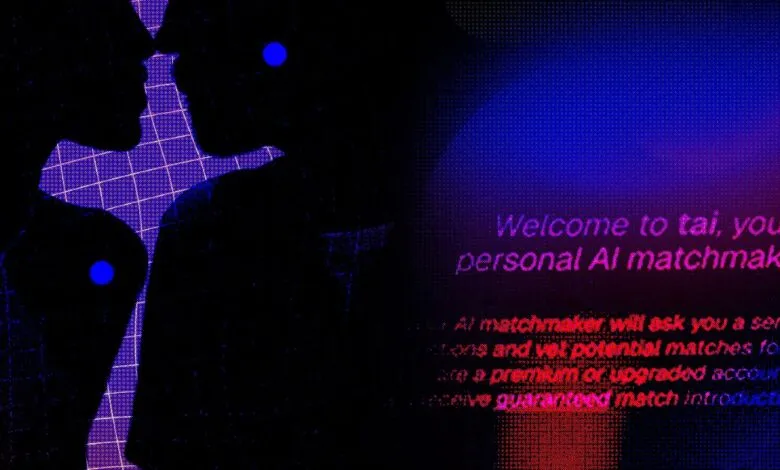
My own experience began with downloading the app, which is currently exclusive to iOS. Users choose between a free tier with basic features and a Premium subscription costing $25 monthly, which unlocks unlimited AI-vetted matches, personalized introductions, and guaranteed connections. After opting for the trial, I entered standard profile details before meeting “Tai,” my AI matchmaking coach. The process involved answering approximately one hundred questions over several sessions, responding via text or voice to prompts that delved far deeper than typical dating app bios.
Tai’s inquiries evolved from broad topics like my reasons for seeking a matchmaker to intensely personal subjects including income, religious beliefs, political leanings, and physical preferences. As someone who identifies as liberal, atheist, and physically disabled with an open approach to dating, the AI frequently circled back to probe the authenticity of my stated openness. This rigorous vetting is by design, intended to move past superficial commonalities and build a nuanced profile. The system is trained by sixty human matchmakers, aiming to synthesize old-school intuition with modern technology.
Once the profiling concluded, the app began sending potential matches. The introductions were notably personalized, often referencing specific hobbies or values from my profile. However, conversations felt orchestrated, guided heavily by AI-generated prompts. Instead of organic banter, interactions often mirrored two people relaying messages through a digital intermediary. The convenience of having conversation starters provided was undeniable, but it sometimes made the human on the other side feel secondary to the algorithm facilitating our chat.
This highlights a core tension in such platforms. While they successfully eliminate the mindless swiping and “hey” messages plaguing other apps, they risk making the dating process feel clinical. The depth of initial questioning is impressive, but the subsequent interactions can feel like a performance for the AI rather than a genuine getting-to-know-you phase. The technology excels at filtering for compatibility on paper, yet the spark of a real connection remains elusive and inherently human.
For those frustrated with the games and ghosting common on mainstream apps, this model offers a compelling alternative. It provides structure and intentionality, potentially saving time and emotional energy. The AI coaching can be particularly useful for people unsure how to present themselves or initiate conversations. However, the experience may feel overly managed for individuals who thrive on spontaneity and the unpredictable, quirky discovery that defines early dating.
Ultimately, tools like Three Day Rule represent a significant evolution in digital dating, prioritizing curated compatibility over volume. They are best suited for singles who are serious about finding a relationship and appreciate a guided, methodical approach. Yet, the most memorable connections often arise from unexpected moments and authentic, unscripted dialogue, elements that even the most advanced algorithm cannot fully manufacture. The future of dating may lie in a hybrid model, where AI handles the initial heavy lifting of vetting, gracefully steps aside, and lets human chemistry take the lead.
(Source: Wired)