SpaceX Buys xAI, Plans Satellite Constellation to Power It
▼ Summary
– SpaceX has formally acquired Elon Musk’s artificial intelligence company, xAI, to create a vertically-integrated innovation engine.
– The merger combines SpaceX’s spaceflight expertise with xAI’s AI products, which include the Grok chatbot and the social media platform X.
– A key strategic goal is to use SpaceX’s launch and satellite capabilities to deploy up to a million orbital data centers to support xAI’s computing needs.
– The merger is considered a risk, as it joins Musk’s successful SpaceX with the more speculative and controversial xAI venture.
– The plan assumes AI is a foundational future technology and that orbital data centers can be a cost-competitive solution to the computing power required for widespread AI adoption.
The strategic acquisition of artificial intelligence firm xAI by SpaceX represents a bold move to create a vertically integrated technology powerhouse, merging cutting-edge space infrastructure with advanced AI development. This consolidation aims to leverage SpaceX’s proven capabilities in launch and satellite deployment to build an unprecedented orbital network designed to fuel the next generation of artificial intelligence. The company announced the merger will forge what it calls “the most ambitious, vertically-integrated innovation engine on (and off) Earth,” combining AI, rocket technology, space-based internet, and communications platforms into a single entity.
This merger unites Elon Musk’s most demonstrably successful venture, SpaceX, with the more speculative xAI enterprise. Founded just last year, xAI is known for its generative AI chatbot named Grok and its association with the social media platform X. The primary goal is to position the combined company as a major competitor against established AI leaders like OpenAI. However, the path has not been without controversy; both Grok’s output and the management of X have faced significant public scrutiny over various issues, including concerns about generated content.
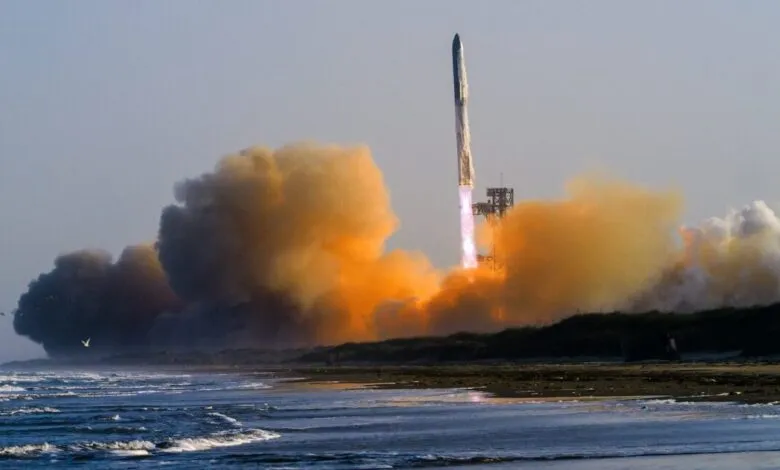
The core strategic vision hinges on vertical integration. Musk has long argued that artificial intelligence represents a foundational technology for humanity’s trajectory, and he intends for this new conglomerate to be at the forefront. The plan is to utilize SpaceX’s formidable expertise in rapid, cost-effective launch services and satellite manufacturing to deploy a massive constellation of orbital data centers, potentially numbering up to one million. This space-based computational backbone is intended to solve what Musk sees as the critical bottleneck for widespread AI adoption: sheer computing power.
The entire ambitious project rests on several key assumptions. Leadership believes that artificial intelligence is a durable technological shift, not a passing trend, and will become deeply embedded in future society. A major bet is placed on the economic viability of orbital data centers, positing they can become cost-competitive with traditional terrestrial facilities. Ultimately, the merger is predicated on the idea that providing immense, scalable compute resources from space is the essential step to unlocking AI’s full potential and securing a dominant position in the field.
(Source: Ars Technica)