Shopify Aims to Integrate Commerce Into Every AI Chat

▼ Summary
– Shopify launched the Universal Commerce Protocol (UCP), an open standard co-developed with Google, to let AI agents connect directly to merchants and complete transactions.
– The protocol standardizes how AI agents interact with merchant systems, supporting core checkout actions and working with any payment processor, to avoid one-off integrations for each new platform.
– Shopify is enabling native commerce experiences within major AI platforms like Google’s AI Mode, Gemini, Microsoft Copilot, and ChatGPT, all managed centrally from the Shopify admin.
– Shopify is opening its Catalog and infrastructure to non-Shopify merchants through a new Agentic plan, positioning the company as a broader commerce layer for the AI era.
– This shift to agentic commerce requires brands to structure product data for AI systems, as AI assistants synthesize information and take action rather than browsing like humans.
The way people shop is fundamentally changing, and Shopify is positioning itself at the center of this shift with its new Universal Commerce Protocol (UCP). Developed in partnership with Google, this open standard allows artificial intelligence assistants to connect directly with merchants to complete sales. The initiative aims to integrate commerce seamlessly into the conversational interfaces of major AI platforms, including Google’s AI Search, Gemini, Microsoft Copilot, and ChatGPT. For businesses, this means they can sell wherever these conversations are happening without needing to create separate, complex integrations for each new platform.
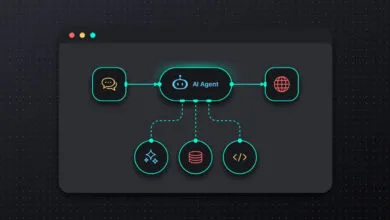
The core concept behind the UCP is interoperability. Instead of every retailer building custom connections for every AI assistant, the protocol establishes a common language. This standardized approach lets AI agents handle critical parts of the shopping process, such as applying discount codes, managing subscription options, confirming final sale terms, and processing pre-orders, all within a chat. It is designed to work with any payment system and is not limited to Shopify’s own payment processing, offering merchants significant flexibility. Whether a customer buys directly in a chat window, through an embedded checkout, or on a traditional website, the UCP is built to support that transaction without locking the merchant into a single method.
A major practical outcome is the introduction of native checkout experiences. Shopify merchants will soon be able to sell directly within Google’s AI-powered Search results and the Gemini app, managing everything from their central Shopify admin dashboard. Some may also participate in Google’s Direct Offers pilot, which surfaces exclusive deals inside AI conversations to capture shoppers at their peak moment of intent. On the Microsoft side, the expanded Copilot integration introduces “Copilot Checkout,” an embedded feature that lets users complete purchases without ever leaving the Copilot interface, dramatically shortening the journey from product discovery to final sale.
In a strategic expansion, Shopify is opening its infrastructure to brands that do not even use its core e-commerce platform. Through a new “Agentic” plan, non-Shopify merchants can list their products in the Shopify Catalog. This catalog uses specialized language models to clean and standardize product information, making it far easier for AI systems to find and recommend relevant items in response to conversational queries. Once a merchant uploads their data, Shopify’s Agentic Storefronts distribute it across all the supported AI channels. This move signals Shopify’s ambition to evolve from a storefront builder into the essential commerce layer powering transactions across the entire AI ecosystem.
For marketers, this evolution presents both a challenge and an opportunity. The traditional model of browsing web pages is giving way to AI assistants that synthesize information, make recommendations, and execute purchases on a user’s behalf. Success now depends on ensuring product data, brand messaging, and promotional offers are structured in a way these AI systems can easily interpret and act upon. Shopify’s protocol aims to simplify this new landscape by providing a unified commerce backbone, allowing brands to maintain consistency and control as shopping becomes an increasingly conversational and agent-driven experience.
(Source: MarTech)