Meta launches AI-generated clickbait news feed
▼ Summary
– Meta’s AI app now includes a “For You” section that generates clickbait-style stories with AI-created topics, images, and text.
– The AI-generated articles often lack substance, sourcing, and accuracy, with some containing fabricated narratives or fictional research.
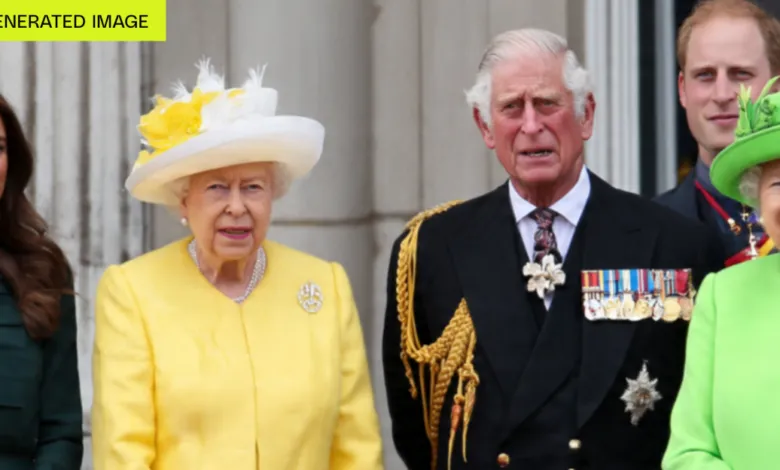
– Images attached to the stories include errors like impossible anatomy and depictions of real public figures, such as two Queen Elizabeth IIs, despite her death.
– Meta did not label the content as AI-generated, contradicting its stated policy of informing users when AI is used in posts.
– Meta stated the feature was a limited test that will be deprecated, but multiple Verge staff had access, raising questions about its scope and purpose.
Meta has taken a step that feels almost inevitable in hindsight: it is now generating its own clickbait articles using artificial intelligence. The company’s standalone Meta AI app includes a “For You” section that serves up a feed of story suggestions, but the topics, images, and text are entirely AI-generated. The quality is about what you would expect from machine-made content.
When the Meta AI app first launched in April 2025, its main draw was a public “Discover” feed filled with AI-generated images and conversations from other users, many of whom seemed unaware their interactions were being broadcast. That feature has since vanished. The app now offers a standard chatbot interface alongside the For You page, which has been live for at least a few months. Tapping any of the suggested prompts generates a full “story” on the spot.
For me, a London-based reporter, the algorithm leaned heavily into British stereotypes. Suggested prompts included topics like tea, manners, pubs, royals, football, and queuing. One story claimed a royal butler had finally settled the debate over whether milk should go in first (apparently, the tea goes first). Another explored the psychology of joining a queue without knowing why. Others examined the devastating British tut and the extreme sport of visiting every UK pub. Some were just baffling, like one about a “bit of a pickle” meaning total disaster.
A colleague, meanwhile, appeared to have been categorized as a luxury watch enthusiast. His feed offered stories titled “My fake Rolex experiment” and “The brutal math behind the Rolex waitlist illusion.”
The AI-generated text itself read like puffy filler, offering little more than a restatement of the premise. There was no sourcing, no depth, and no real substance.
Tracing the origins of these stories proved difficult. The royal butler tea piece seemed to originate from a 2018 BBC Three comedy series called Miss Holland, featuring real former royal butler Grant Harrold. The Rolex experiment story, however, appeared to be a complete fabrication, generated as a first-person narrative without any byline. Other stories leaned on vague references to unnamed experts or fictional research.
Tapping the same card multiple times produced slightly different versions of the same rough story. Entering the same headline into a separate chat yielded a completely different response. The clearest sign of what was happening came from the chat history, which revealed hidden instructions for the AI. One prompt began with a note that the user was responding to a proactive feed card, followed by internal references and metadata.
The articles also came with images. Many were harmless generic cartoons, landscapes, and food. But some depicted real people, including public figures, and were riddled with errors. One story titled “Who really pays for the royal family in 2026?” featured two Queen Elizabeth IIs, despite her death years earlier. Around the Queen clones were distorted approximations of other royals, including a vaguely Princess Kate-like figure and a strange version of Prince William. Other images had classic AI tells like impossible hands and bodies leaning at unnatural angles. One image was actually a GIF of an older couple dancing with movements no human could replicate.
It was unclear whether the app could legally generate images of real people under Meta’s own, rather opaque, rules. The company has previously stated it wants users to know when content is AI-generated and that it automatically labels some user-generated AI content. Yet there was no label or indication anywhere in the feed or articles that the material was AI-generated.
Meta declined to answer most questions about the feature’s purpose, whether the company considers the output news or fiction, what safeguards are in place, or whether images of real people comply with its AI-content policies.
“The goal is to suggest what’s most relevant to you – such as fitness advice, meal plans, or other insights – before you even have to ask,” Meta spokesperson Tracy Clayton said in a brief statement. He later sent a nearly identical statement, mysteriously removing the word “proactively.”
A third statement followed later in the day: “This was a test for a limited number of users and it will be deprecated. Meta has no plans to move forward with this feature.”
That leaves several questions unanswered. How was this test limited if at least three colleagues at The Verge also had access to the same AI clickbait feed? What did “proactively” even mean? And, most importantly, who asked for any of this in the first place?
(Source: The Verge)