How Tech Reporters Use AI to Write and Edit

▼ Summary
– Technology reporter Alex Heath uses the AI tool Claude Cowork, integrated with his email and notes, to automate drafting his newsletters based on his spoken input and custom writing style.
– This AI-assisted workflow saves Heath significant time, reducing his writing time by 30 to 40 percent and allowing him to focus more on reporting and sourcing information.
– Independent journalists, lacking traditional newsroom resources, are increasingly using AI not just for writing but to recreate functions like editing and fact-checking.
– Effective use of AI requires journalists to maintain their unique voice and value, as over-reliance can lead to homogeneous, less creative writing, according to experts and studies.
– Some journalists, like Jasmine Sun, avoid using AI for writing due to concerns about creativity loss but find value in using it as an editorial tool.
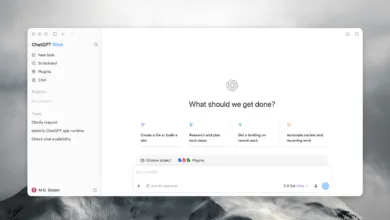
For technology journalists navigating the demanding pace of the industry, artificial intelligence is becoming an indispensable partner in the newsroom. Alex Heath, a reporter who launched his independent Substack last year, now relies on an AI agent to transform his spoken ideas into written drafts. Using a voice-to-text service connected to Anthropic’s Claude, he dictates his scoops and lets the system generate an initial version of his story. This integration represents a fundamental shift in how some journalists approach the craft of writing.
Heath has meticulously configured his AI assistant, connecting it to his core productivity tools like Gmail, Google Calendar, and Notion. More crucially, he has built a custom skill with detailed instructions designed to make Claude mimic his unique style. This includes his personal “10 commandments” for writing, samples of his past work, and specific notes on his preferred newsletter structure and authorial voice. The system automates the initial drafting process that once occurred entirely in his mind.
After Claude produces a first draft, Heath engages in an iterative revision session, often lasting up to thirty minutes, to refine the copy. He still writes certain sections himself, but this collaborative workflow has dramatically cut down his total writing time. “I’ve always hated the zero-to-one process of writing a story,” Heath admits. “Now, it’s actually kind of fun. Going out on my own, I realized I need AI to help with the volume.” He estimates saving 30 to 40 percent of his time each week, hours he can now redirect toward sourcing and reporting.
Heath is not alone. A growing number of tech reporters, particularly those who have gone independent, are turning to AI to replicate the editorial support systems of a traditional newsroom. Without built-in editors or fact-checkers, these journalists use AI agents to fill critical gaps, moving beyond simple ChatGPT prompts to create tailored assistance for drafting and editing. This trend prompts significant questions about the evolving role of the human journalist. If AI can assist with writing, editing, and verification, what unique value does the person bring?
Research, including a recent study from Google DeepMind, suggests that over-reliance on AI can lead to homogenized, less creative writing that adopts an overly neutral tone. The journalists successfully using these tools emphasize that understanding your core value to readers is essential. For Heath, that value is his access and ability to break news, not merely his prose. Claude enables him to focus more energy on cultivating sources and delivering exclusive information to his subscribers.
Some veteran observers see parallels between this modern AI workflow and a classic newsroom institution: the rewrite desk. In earlier eras, field reporters would phone in details to writers in the office, who would rapidly craft those facts into publishable articles. Today, Claude serves as Heath’s personal, automated rewrite desk, handling the initial composition so he can concentrate on gathering the story. “I feel like I’m cheating in a way that feels amazing,” Heath says. “I never did this because I liked being a writer. I like reporting, learning new things, having an edge.”
This approach is not universal. Jasmine Sun, a former Substack product manager who now writes a newsletter on AI and Silicon Valley, avoids using AI for writing altogether. She argues in a recent article that the post-training process for large language models can stifle creativity, making their output bland. However, she has found promise in using Claude as an editorial assistant for tasks like refining structure and checking clarity, demonstrating that the tools can play varied supporting roles without taking over the core act of creation.
(Source: Wired)