Valve Leaks Trailer After Ratings Board Blocked Release
▼ Summary
– Former Valve writer Chet Faliszek revealed that the 2009 leak of the Left 4 Dead 2 trailer was orchestrated by Valve itself.
– The company intentionally released the footage early because the ESRB had rejected it for containing excessive violence and gore.
– At the time, publishers needed ESRB ratings to secure shelf space in major retail stores, enforcing strict marketing guidelines.
– Valve had previously adjusted promotional materials, such as altering a logo with severed fingers, to comply with these restrictive standards.
– This incident highlights how regulatory bodies like the ESRB influenced game marketing strategies through content restrictions.
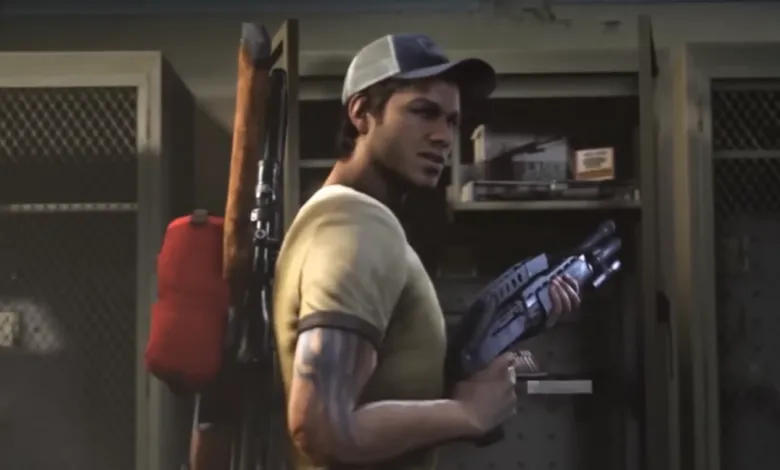
For years, the gaming community believed that a high-octane trailer for Left 4 Dead 2 had been leaked prematurely in 2009. The footage was described as looking like it came straight from a high-gloss action movie, sparking speculation about unauthorized data breaches or rogue insiders. However, the truth behind this viral moment is far more calculated. The release was not a breach of security but a deliberate strategic move orchestrated by Valve itself to bypass censorship hurdles.
Former Valve writer Chet Faliszek recently clarified the situation in a video discussing cut content from the game. He revealed the true motivation behind the premature upload: “for Left 4 Dead 2 with the ESRB… we leaked our trailer ahead of time because they wouldn’t let us release the trailer.” This admission confirms that the publisher intentionally violated standard marketing protocols to ensure the public saw the game’s intended tone and violence levels.
The conflict centered on the Entertainment Software Rating Board (ESRB), the industry’s self-regulatory body responsible for assigning age-appropriate ratings to video games. Since its inception in 1994, the ESRB has maintained strict guidelines on how games can be advertised. During the late 2000s, securing an ESRB rating was essential for any publisher hoping to secure shelf space at major retail chains. Smaller or digital-first developers often skipped this process, but large studios like Valve had to comply with rigorous standards regarding graphic violence, weapon usage, blood, gore, and offensive language.
At the time, Valve had already experienced friction with the ratings board over promotional materials. Earlier in 2009, the ESRB demanded changes to a promotional image for Left 4 Dead 2 that featured a hand with three severed fingers, leaving two intact digits to represent the number “2.” To satisfy the board’s concerns, Valve produced a revised version where two of the missing fingers were restored, albeit curled downward. This modified image eventually appeared on the final box art, despite the game’s core mechanic involving characters being torn apart by chainsaws. Ars Technica noted at the time that while visceral combat was expected, bitten-off fingers on the logo were seen as crossing a line into unacceptable territory.
The restrictions on trailers were particularly stringent during that era. In 2007, the ESRB forced the removal of trailers for D3 Publisher’s Dark Sector and 2K Games’ The Darkness after they had already circulated online. Although many news sites had placed these trailers behind age verification gates, the ratings board argued that such measures did not exempt publishers from adhering to advertising standards. At the time, ESRB executive Patricia Vance stated that “the mere presence of an age gate does not permit a publisher to simply put whatever content it wishes into the trailer. All trailers must still conform to [the Advertising Review Council]’s Principles and Guidelines, which prohibit the display of excessively violent content or any content likely to cause serious offense to the average consumer.”
By leaking the Left 4 Dead 2 trailer directly to YouTube, Valve circumvented these pre-release review processes. The tactic allowed the company to showcase the game’s intense atmosphere without waiting for regulatory approval, effectively forcing the conversation around the game’s content rather than hiding it until official launch windows. This bold move highlighted the growing tension between creative expression in video games and the conservative marketing standards enforced by industry watchdogs.
(Source: Ars Technica)