Why Content Creators Are Failing to Deliver
▼ Summary
– Influencers disrupted Naomi Osaka’s match at the US Open by creating noise and using flash photography, prompting the umpire to pause play.
– The USTA reported a significant increase in credentialed content creators at the tournament, with numbers nearly doubling from the previous year.
– Two influencers had their access revoked after posting photos of their badges, which were obtained improperly through a food vendor’s staff list.
– Despite the disruptions, these creators provided value by advertising the event to audiences that might not otherwise follow tennis.
– The incident highlights the growing reliance on influencers for marketing, despite the potential for undesirable outcomes at exclusive events.
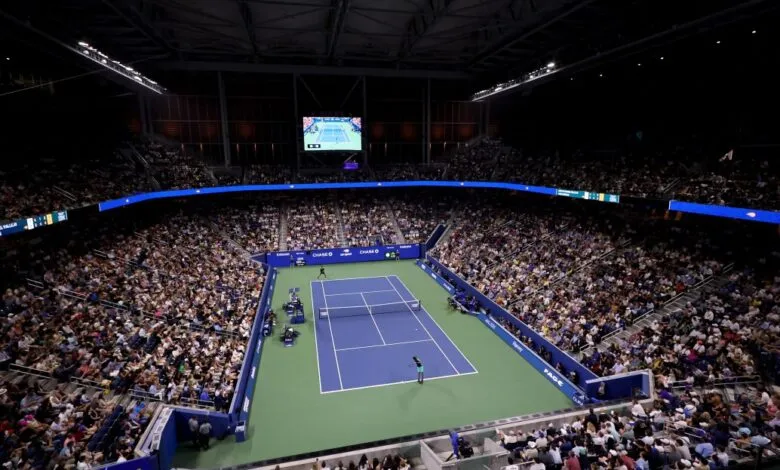
Content creators are increasingly disrupting major sporting events, a trend highlighted by recent chaos at the US Open. During Naomi Osaka’s match against Anastasia Zakharova, a group of influencers in a luxury suite became so disruptive that the umpire halted play to demand silence. Simultaneously, other creators were seen requesting full-flash photography from USTA staff amidst active gameplay. This behavior underscores a growing tension between the influencer economy and traditional event etiquette.
The United States Tennis Association has significantly expanded its digital outreach. Jeanmarie Daly, the media operations director, noted that the organization was “almost doubling” the number of content creator credentials approved for this year’s tournament. The count rose to nearly 100 influencers, up from 54 in the previous year. However, Brendan McIntyre, a USTA spokesperson, clarified that the specific individuals causing disturbances at the Osaka-Zakharova match were not officially credentialed by the association. He further revealed that lifestyle influencers Meg Radice and Audrey Jongens had their access revoked after posting images of their badges online. According to McIntyre, these two women “were improperly submitted for credentials on a staff list provided by a food vendor,” suggesting they exploited a loophole rather than earning legitimate press access.
Despite lacking proper accreditation, these individuals were executing their primary function: generating content. Their single-minded focus on capturing material for social media often clashes with the expectations of other attendees. While their actions may have violated unwritten rules of decorum, they also served as unpaid advertisers, introducing the US Open to demographics that might otherwise ignore the tournament. This dynamic reflects a broader shift in marketing, where creator ad spend reached $37 billion in 2025 and is projected to hit $44 billion by year-end. Brands rely heavily on these figures to drive engagement, yet the US Open incidents illustrate how such reliance can backfire when creators prioritize personal branding over professional conduct.
The responsibility for managing influencer behavior ultimately lies with the brands that invite them. As reporter Jessica Schiffer observed, some companies have begun issuing tennis etiquette reminders to mitigate potential fallout. The context of the disruption is complicated by rule changes implemented in 2024, which allowed spectators to move freely during matches rather than remaining seated until side switches. Tournament director Stacey Allaster defended these changes as an enhancement to the fan experience. Nevertheless, the influx of creators using flash photography and blocking views prompted the USTA to install new signage prohibiting such lighting outside stadiums in the days following the viral videos.
This clash between content creation culture and audience enjoyment reveals a deeper issue in modern advertising. Companies often encourage the “main character energy” that drives influencer engagement, but they frequently fail to provide necessary boundaries. When creators act without restraint, they risk alienating the general public and damaging the brand’s reputation. The Callaway Golf Company recently faced significant backlash after partnering with Good Good, a YouTube channel turned apparel brand. Their promotional video, a spoof of Curry Barker’s Obsession, featured Good Good cofounder Garrett Clark shoving professional golfer Alexis Miestowski to the ground while reaching for a driver.
The ad sparked immediate outrage for being misogynistic and trivializing violence against women. Callaway issued an apology and terminated its partnership with Good Good. CEO Chip Brewer admitted that “mistakes were made, and we are taking the matter very seriously.” He confirmed that the company had approved the video prior to its release but insisted the content did not align with corporate values. The incident highlights a critical failure in oversight. Even if the humor had been acceptable, the lack of creative direction suggests that brand safety protocols were insufficient.
Good Good targets a young, male demographic that the golf industry is eager to capture. They are part of a larger ecosystem of influencer agencies, including Barstool Sports and No Laying Up, that have formed lucrative ties with sports brands. However, giving creators creative control does not absolve companies of their duty to vet content. Just as brands must guide influencers on behavioral norms at live events, they must also ensure that digital campaigns do not cross ethical lines. Relying on edgy or provocative content without rigorous oversight is a high-risk strategy that can lead to reputational damage and severed partnerships.
(Source: The Verge)