DeepSeek Orders Huawei Chips for New Inner Mongolia Data Centre

▼ Summary
– DeepSeek is reportedly preparing a large order of Huawei AI chips for a new one-gigawatt data centre in Ulanqab, Inner Mongolia.
– The project aligns with China’s Eastern Data, Western Compute strategy to move energy-intensive infrastructure to regions with cheaper electricity.
– Nvidia’s high-end accelerators are banned in China, making Huawei’s Ascend family the primary domestic alternative for large-scale AI computing.
– Optimizing models like DeepSeek’s V4 for Huawei hardware risks eroding Nvidia’s CUDA ecosystem advantage by fostering a self-reliant Chinese software stack.
– The scale of the potential order highlights Huawei’s manufacturing capacity and may serve as a bridge while DeepSeek develops its own inference chips with SMIC.
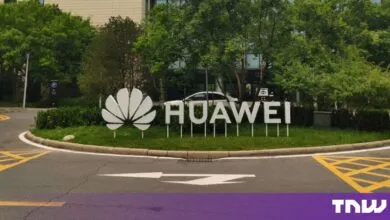
DeepSeek is reportedly preparing to place a massive order for Huawei AI chips to power a new data center in Inner Mongolia. According to Bloomberg, the deal involves a site with a capacity of approximately one gigawatt located in Ulanqab. While neither the specific volume of chips nor the exact model has been disclosed, the project highlights a significant shift toward domestic hardware for Chinese artificial intelligence developers. The facility is expected to begin partial operations between late 2027 and early 2028, based on reports from individuals familiar with the initiative.
This development aligns with China’s broader Eastern Data, Western Compute strategy, which aims to relocate energy-intensive computing infrastructure to western regions where electricity costs are lower. Inner Mongolia has emerged as a key hub in this effort, having secured around $27 billion in AI computing projects. For DeepSeek, choosing Huawei over international alternatives is driven by necessity rather than preference. U. S. export controls prohibit the sale of Nvidia’s most powerful AI accelerators in China, leaving Huawei’s Ascend family as a primary option for scaling up domestic computing capacity.
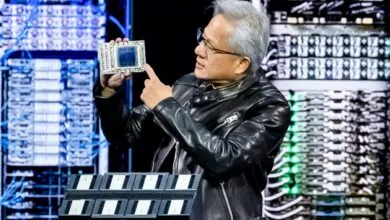
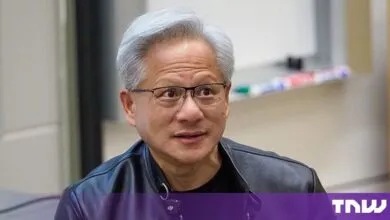
The technical implications of this hardware switch are profound. DeepSeek has already begun optimizing its models for Huawei’s ecosystem. Its V4 model was tuned to run on the Huawei Ascend 950 upon its launch in April, prompting Chinese cloud providers to order hundreds of thousands of these chips. This move directly challenges Nvidia’s dominance. Jensen Huang, CEO of Nvidia, stated that he views DeepSeek running on Huawei chips as a “horrible outcome” for America, arguing that such export controls inadvertently push China’s software ecosystem away from Nvidia’s CUDA platform.
The erosion of the CUDA ecosystem represents a critical long-term risk for Nvidia. Every model optimized for Ascend generates additional software and tooling that reduces dependence on Nvidia’s proprietary stack. This trend is accelerating as Chinese chip designers respond to manufacturing constraints by shifting from general-purpose GPUs to custom ASICs. These specialized chips can be produced more cheaply using the advanced fabrication processes available within China, further diversifying the domestic supply chain.
DeepSeek’s hardware strategy may not be permanent. Reports indicate the company is also developing its own inference chip in collaboration with SMIC. If successful, this internal solution could render large Huawei orders a temporary bridge rather than a final destination. However, the immediate scale of the reported Ulanqab project underscores Huawei’s growing manufacturing capabilities. A one-gigawatt facility requires far more accelerators than existing inventory can provide, signaling strong confidence in Huawei’s ability to deliver at scale.
Financial resources do not appear to be limiting DeepSeek’s expansion. The company has raised funds in the multibillion-dollar range, with its founder citing artificial general intelligence as the ultimate goal. Achieving this ambition demands substantial computing power. Furthermore, the economic landscape in China favors domestic suppliers. By avoiding Western hardware priced at premium rates, DeepSeek can maintain aggressive pricing strategies while leveraging a homegrown supply chain.
Despite the strategic clarity, many operational details remain unconfirmed. DeepSeek has not officially acknowledged the Ulanqab project, and no contract has been publicly verified. Specifics regarding the order value, chip generation, and delivery timelines are absent. Nevertheless, the trajectory is evident: leading Chinese AI labs are increasingly building their infrastructure around domestic accelerators and local computing capacity, reinforcing a self-sufficient technological ecosystem.
(Source: The Next Web)