Google pitches AI agent ecosystem to skeptical consumers

▼ Summary
– Google introduced multiple AI agent products at I/O, including information agents (an AI-enhanced Google Alerts), Gemini Spark (a personal assistant integrated with Google products), and Android Halo for notifications.
– Most of these AI agents are initially paywalled, available only to Google Ultra ($100/month) or Pro subscribers, limiting access for average consumers.
– The article criticizes Google for confusing users with multiple brand names (Gemini, Spark, Halo, information agents) and failing to demonstrate practical consumer benefits.
– Google’s AI messaging and demos, such as goofy AI imagery and a photo-altering glasses demo, are portrayed as tone-deaf party tricks rather than solutions to real-world problems.
– The author argues Google missed an opportunity to position AI agents as tools to reduce screen time and solve everyday hassles, contrasting with its earlier revolutionary free products like Gmail.
At Google’s I/O developer conference this week, the company unveiled one of its most intriguing concepts yet: AI agents designed to reshape how consumers interact with the web. But while the promise is compelling, the rollout left many scratching their heads.
The tech giant introduced information agents, a modernized take on the old Google Alerts, now supercharged with artificial intelligence. These agents run quietly in the background around the clock, keeping users informed on topics like market shifts, price changes, or severe weather alerts. Then there’s Gemini Spark, a personal AI assistant that integrates with Google’s ecosystem including Gmail, Google Docs, and Workspace. Google claims it can handle mundane tasks such as summarizing newsletters, managing a home inventory, tracking restocking needs, or coordinating a group trip.
In a particularly engineering-focused demo, Google showed Spark organizing a neighborhood block party. As if that requires more than a group chat or a few emails.
The notification system for Spark has its own branding too: Android Halo. Why a separate name is necessary remains unclear, though it likely stems from internal competition among product teams eager to claim credit, even at the expense of user clarity.
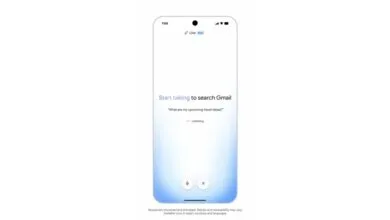
Gemini’s app is also getting an agent that pulls together a personalized digest from your Gmail, calendar, and tasks. This feature, called Daily Brief, aims to deliver a concise daily update.
Most of these tools aren’t available yet to the general public. Instead, Google is focusing on its most dedicated users: the “AI-pilled” subscribers of the new Google Ultra plan, which costs $100 per month. Information agents will launch this summer for Pro and Ultra subscribers in the U. S., with Spark following soon after. Halo arrives on Android “later this year,” and Daily Brief is rolling out now to Ultra, Pro, and Plus subscribers in the U. S.
The result is a confusing array of entry points for AI agents. Did I mention the increasingly agentic Chrome browser? Google demonstrated talking to Chrome while shopping for cars, configuring options without touching a keyboard. Neat, but also a bit overwhelming.
During a pre-I/O press briefing, Google said it plans to bring features like Spark to free users “when the time is right.” For now, though, the company prefers iterating with power users who will push the limits of what these agents can do.
This strategy widens the gap between those who have bought into AI’s promise and the average consumer using free Google tools. Most people still see AI as chatbots replacing search, or as tools for generating “AI slop” that clogs social feeds and justifies building data centers in their neighborhoods.
Google didn’t help its case with cringeworthy AI imagery between presenters, a corny animation of talking Tensor chips, and a demo where Android glasses used AI to transform a photo of the audience by adding a blimp. Clever, but is it worth the disruption of building new power lines for data centers?
People need more than party tricks to accept such societal shifts.
In past years, Google I/O introduced consumer products like Pixel phones and Nest Hubs, or features like that restaurant booking service that wowed audiences in 2018. Those were framed as tools to ease everyday hassles. Now, the company showcases new models and developer platforms, forgetting the regular folks who don’t care whether it’s called Gemini, Spark, Halo, or information agents.
These users have real problems: paying bills, finding work amid AI recruiting systems that reject résumés over minor details, or balancing lives burdened by technology. They don’t need more AI crammed into Docs, email, glasses, and Search.
If Google had tapped into consumer sentiment, it could have pitched AI agents as a way to reduce screen time. Instead of spending hours researching, organizing, and tracking information, agents could handle those tasks, freeing users to live offline. That message could resonate, especially with young people embracing retro tech, old-school hobbies, and real-life connections over dating apps.
Instead, Google failed to demonstrate how agents solve everyday problems, kept them paywalled, and limited their reach. Meanwhile, messaging-first AI startups like Poke, Poppy, RPLY, and Wingman offer natural interaction via text messaging. Will you ever be able to message Spark? Google reps vaguely said “sometime in the future.”
This contrasts sharply with Google’s early days, when it launched revolutionary free products like Gmail and Search that improved life for everyone. Google I/O could have been a breakout moment for AI agents as a simple, free consumer product with one brand name. Instead, these powerful tools remain out of reach for most.
(Source: TechCrunch)