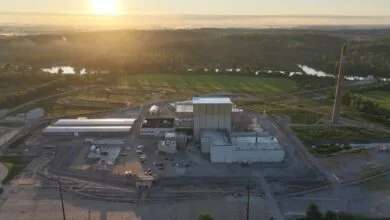
Google Revives Nuclear Power in Tornado Alley
▼ Summary
– A 2020 derecho with 130 mph winds severed all external power lines at Iowa’s Duane Arnold nuclear plant, triggering an automatic emergency shutdown.
– Backup diesel generators activated and control rods were inserted to halt the nuclear fission reaction immediately after the storm hit.
– Safety systems worked for hours to cool the still-dangerously hot reactor core and vent excess heat following the shutdown.
– The storm completely destroyed the plant’s twelve water-cooling towers, which were critical for releasing heat from the reactor.
– The already-scheduled decommissioning of the 45-year-old plant was accelerated, as there was little incentive to repair the extensive storm damage.
The resilience of modern energy infrastructure is tested by extreme weather, and few events illustrate this better than the 2020 derecho that permanently shut down Iowa’s Duane Arnold nuclear plant. This incident highlights a critical tension in the push for clean energy: how to secure reliable, carbon-free power in regions increasingly prone to violent storms. As the nation seeks to decarbonize the grid, the vulnerability of large, centralized power stations to climate-driven disasters has become a pressing concern. The story of Duane Arnold’s final hours underscores the complex challenges facing nuclear power’s potential revival, even as new technologies promise greater safety and flexibility.
Diana Lokenvitz, a senior systems engineer at the plant, remembers the moment the storm hit with vivid clarity. Looking out her window, she saw a wall of clouds plunge Palo, Iowa, into an unnatural darkness. Almost immediately, alarms began to blare. The ferocious winds, clocking speeds of 130 miles per hour, severed every one of the facility’s six external power lines in seconds. This catastrophic loss of off-site power triggered an automatic emergency shutdown, a fundamental safety protocol for all nuclear reactors.
As designed, backup diesel generators immediately activated to provide essential electricity for cooling systems. Simultaneously, control rods were driven into the reactor core to halt the nuclear fission chain reaction. However, a reactor core remains intensely hot even after shutdown, requiring continuous cooling to prevent damage. For hours, dedicated safety systems worked to stabilize the reactor and carefully vent excess heat, a controlled process managed by the plant’s operators.
The full scale of the destruction only became apparent once the immediate crisis had passed. “It wasn’t until we went outside afterwards that we realized that the cooling towers were gone,” Lokenvitz recalled. The storm had completely toppled all twelve of the plant’s massive cooling towers, which had stood like silent sentinels, releasing steam from the water used to cool the reactor. The derecho, a widespread windstorm that ravaged the Midwest, left a trail of devastation, causing massive power outages and damaging buildings, forests, and farmland across millions of acres.
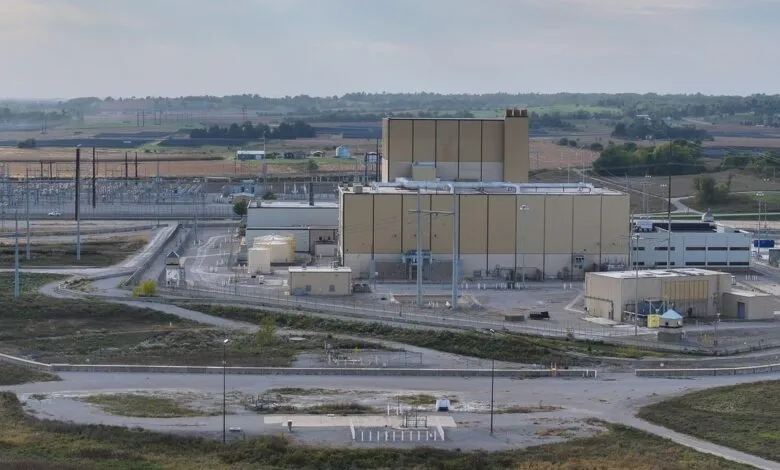
This damage proved to be the final chapter for the Duane Arnold Energy Center. While the plant’s safety systems performed as intended during the event, the facility was already slated for decommissioning within a few months. The extensive destruction caused by the storm eliminated any financial rationale for repairs. After 45 years of generating electricity, the plant was permanently closed, its fate sealed by a powerful act of nature. This event serves as a potent case study for energy planners, emphasizing that the future of power generation must account for both carbon emissions and physical resilience in the face of a changing climate.
(Source: Wired)