Brands in 2026: Less Digital, More Real-World Connection
▼ Summary
– Marketers in 2026 must prioritize both reviving real-world brand experiences and preparing for AI-led consumer discovery, according to a key industry report.
– Digital fatigue is driving consumer demand, especially among younger generations, for tangible brand experiences like community events and pop-up stores.
– Physical brand encounters now serve as cultural and social signals, creating shareable content and should be integrated with digital campaigns as emotional amplifiers.
– Consumers are increasingly delegating routine decisions to AI agents, requiring marketers to optimize content for these systems and reimagine the path to purchase.
– The industry’s most urgent need is establishing ethical standards for AI-led discovery to maintain consumer trust and brand integrity as these agents influence choices.
Looking ahead to 2026, a fascinating duality is emerging for marketers. Success will depend on mastering two seemingly opposite trends: reinvigorating genuine in-person brand experiences and strategically adapting to a world where AI agents guide consumer discovery. This insight comes from a major industry report, highlighting how brands must operate in both the physical and intelligent digital realms to connect with audiences.
A powerful resurgence of tangible, real-world interaction is underway, largely driven by digital fatigue. For younger generations especially, physical experiences have become a novel form of cultural connection. Industry data reveals a strong consensus, with 70% of marketers agreeing that brands should boost investment in physical touchpoints. This isn’t just a tactical shift; it reflects clear consumer behavior where physical retail acts as a cultural anchor.
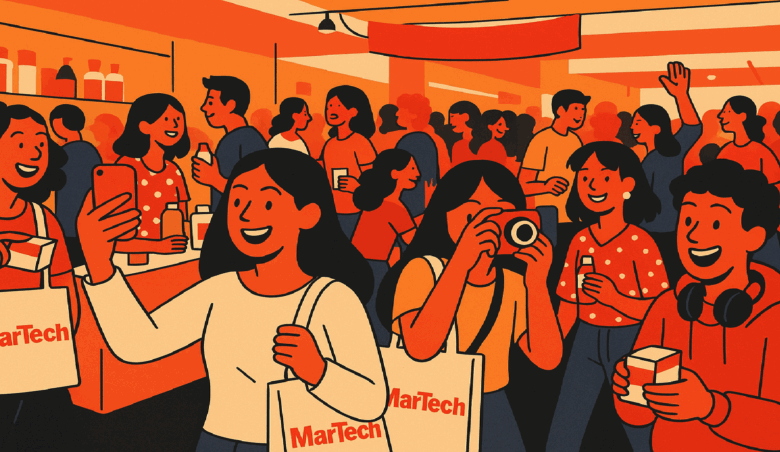
Marketers are focusing their efforts on three key areas for physical engagement. Brand-hosted community events lead the way, followed by experiential retail environments and limited-time pop-up stores. These initiatives are far more than simple sales channels. They function as social catalysts, creating moments ripe for content creation and community building. For instance, a significant majority of younger consumers plan travel around visiting specific stores, and many view shopping at a hyped pop-up as participating in a cultural moment. Even traditional formats like printed catalogs are enjoying a renaissance, valued for their aesthetic and tactile qualities. The most effective future campaigns will seamlessly blend offline and online efforts, using physical activations to amplify digital storytelling and deepen emotional resonance.
Simultaneously, the very consumers seeking these real-world connections are increasingly handing over digital decision-making to artificial intelligence. This evolution moves beyond basic recommendations toward full delegation of routine tasks like shopping and trip planning. A notable majority of Gen Z anticipates a future where people direct AI agents to handle such activities. This fundamental change forces marketers to reconsider how they reach audiences who may never manually search for a product or visit a website directly.
As AI agents surface options and make selections on behalf of users, critical questions of trust, accuracy, and brand influence come to the forefront. Industry leaders recognize the urgency, with a strong majority stating that establishing ethical and privacy standards for AI-led discovery is the most pressing need. To adapt, marketers are prioritizing two strategic adjustments: optimizing content for conversational AI interfaces with structured data, and reimagining the path to purchase for an AI-driven selection process.
This represents a profound shift in focus. The new imperative is understanding how brand information is interpreted and relayed by intelligent systems, not just how it is presented to people. It requires aligning content with technical standards and investing in oversight to protect brand integrity. The enduring challenge is not about replacing human creativity but ensuring these powerful tools operate in service of authentic human values. Consumers desire convenience but still demand that brands accurately reflect their identities and principles.
Ultimately, thriving in the near future demands a balanced, dual-focused strategy. Brands must invest energy in creating physical experiences that foster genuine emotional and cultural connections, while also rigorously preparing for an ecosystem where AI agents significantly influence what consumers ultimately see and choose. Mastering this balance between the tangible and the algorithmic will define the next era of marketing.
(Source: MarTech)