Missing Hiker Found After AI Spots His Helmet a Year Later
▼ Summary
– AI analyzed 2,600 drone frames in one afternoon to locate a missing hiker’s helmet, a task that would take humans weeks or months.
– The body of 64-year-old Nicola Ivaldo was found 10 months after his disappearance, identified by his helmet’s contrasting color in drone images.
– The rescue operation, including drone searches and recovery, lasted less than three days despite delays from bad weather.
– CNSAS has integrated AI color and shape recognition into drone operations for over a year, enhancing search efficiency.
– The success combined AI technology with human expertise, including drone pilots and mountain rescuers, making it a team achievement.
Finding a missing hiker in rugged mountain terrain often seems impossible, but artificial intelligence is changing that narrative. In a remarkable rescue operation, AI technology helped locate the body of a 64-year-old hiker in Italy’s Cottian Alps nearly a year after his disappearance. The breakthrough came when an AI system analyzed drone footage and pinpointed the man’s helmet, a tiny speck of color against the vast alpine landscape.
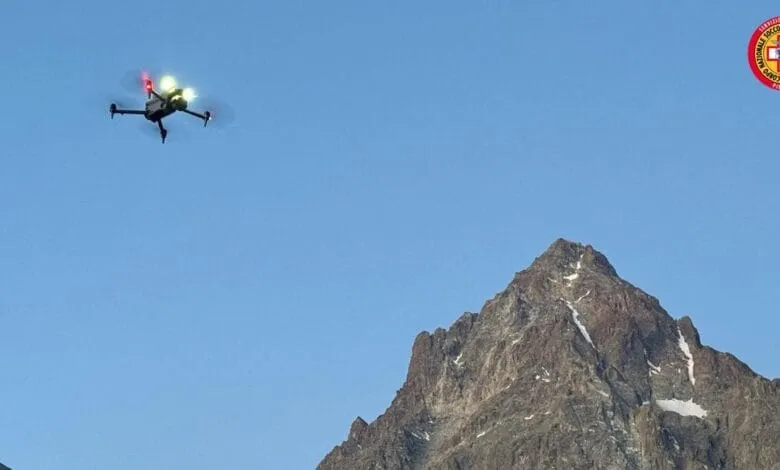
The search focused on Monviso, the highest peak in the region, where Nicola Ivaldo, a doctor from Liguria, had vanished in September 2024. Despite extensive efforts, traditional search methods failed to yield results until rescuers turned to advanced technology. Using drones equipped with high-resolution cameras, the National Alpine and Speleological Rescue Corps (CNSAS) captured thousands of images across the mountain’s treacherous north face.
What would have taken human analysts weeks to review was accomplished in a single afternoon by AI. The software flagged unusual pixels in the footage, later confirmed to be Ivaldo’s helmet, buried in snow at an elevation of 3,150 meters. Saverio Isola, the drone pilot leading the operation, described the moment of discovery as both emotional and methodical. “The AI narrowed down the possibilities, but it still required human expertise to verify and recover the remains,” he explained.
Weather conditions played a significant role in the timeline. After initial detection, fog and storms delayed the recovery for a day. Rescuers resumed at dawn, using drones to confirm the location before dispatching a helicopter from the Fire Brigade. The entire operation, from drone deployment to final recovery, took less than 72 hours, a testament to the synergy between technology and skilled personnel.
AI’s role in search and rescue is rapidly evolving, with CNSAS refining its drone-assisted techniques over the past five years. According to Isola, integrating color and shape recognition software has dramatically improved efficiency. However, he emphasizes that technology alone isn’t enough. “This was a team effort, mountain rescuers, pilots, and analysts working together. AI gave us a crucial lead, but human judgment sealed the mission.”
The case highlights how cutting-edge tools can solve age-old challenges in wilderness rescues. While the outcome was bittersweet, the operation demonstrated that even in the most unforgiving environments, innovation can bring closure to families and redefine what’s possible in search efforts.
(Source: Wired)