Luto Review: A Haunting Ghost Story That Channels P.T.’s Spirit
▼ Summary
– Luto is a horror game inspired by Hideo Kojima’s P.T., but it distinguishes itself with unpredictable storytelling and unconventional elements.
– The game features a looping narrative where the protagonist relives the same day, but expands on this concept creatively, diverging from typical P.T. clones.
– A British narrator, initially seen as intrusive, later becomes integral to the game’s metanarrative, enhancing its genre-bending approach.
– Luto experiments with visual style, fourth-wall breaks, and surreal moments, creating an experience closer to experimental works like *House of Leaves*.
– While the game’s obtuse puzzles and dense plot can frustrate, its final act is uniquely memorable, positioning it as a potential cult classic.
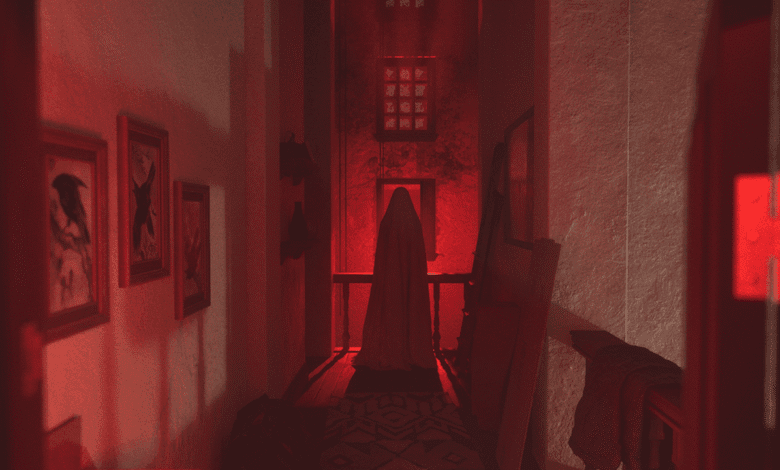
Exploring the eerie corridors of psychological horror, Luto emerges as a standout experience that transcends its P.T.-inspired roots. While countless games have attempted to replicate the chilling atmosphere of Hideo Kojima’s infamous demo, few manage to carve their own identity. At first glance, this indie title might seem like another haunted hallway simulator, but it quickly reveals itself as something far more ambitious, a surreal, genre-defying journey that lingers long after the credits roll.
Players step into the shoes of Sam, trapped in a disorienting cycle of repetition. Each day begins with a shattered bathroom mirror, leading through the same dimly lit hallway, down creaky stairs, and out the front door, only to wake up and do it all over again. What starts as a familiar premise soon spirals into unpredictable territory, blending psychological torment with meta-commentary in ways that feel fresh and unsettling.
One of the most striking additions since the early demo is the inclusion of a narrator, a cheerful British voice that initially feels at odds with the game’s tension. At first, his constant interjections threaten to undermine the atmosphere, but as the story unfolds, his role becomes pivotal. The narration evolves from intrusive to integral, weaving into the narrative in ways that defy expectations. By the time the game reaches its mind-bending conclusion, it’s clear this wasn’t just a gimmick, it was a carefully crafted layer of the experience.
Where Luto truly shines is in its willingness to embrace the bizarre. While many horror games rely on jump scares or predictable hauntings, this one constantly subverts conventions. Hallways warp into surreal landscapes, safe spaces glitch like corrupted files, and at one point, the game unapologetically screens Night of the Living Dead, only to cheekily inform players they won’t be rewarded for watching. These moments aren’t just weird for weirdness’ sake; they serve a purpose, blurring the line between game and player in a way that feels genuinely inventive.
That said, Luto isn’t without its frustrations. Some puzzles demand near-supernatural attention to detail, grinding momentum to a halt. An early sequence, where a relentless knocking at the door loses its menace after minutes of fruitless searching, highlights how tension can evaporate when solutions feel obtuse. Yet, once players adapt to the game’s unconventional logic, later challenges become more intuitive, even if they still require creative thinking.
Though its scares are largely scripted, the game compensates with an oppressive atmosphere. Spirits lurk in the shadows, their presence more unsettling than outright terrifying. Knowing they can’t harm you might lessen the fear, but their eerie designs and haunting sounds ensure they leave an impression.
The final act is where Luto cements itself as something extraordinary. Without spoiling its twists, the last third delivers a sequence so audacious it rivals the best moments in experimental horror. It’s a bold swing that won’t resonate with everyone, some may find its metaphors overwhelming, but those who click with its vision will find it unforgettable.
As a debut from Broken Bird Games, Luto is a remarkable achievement. It’s messy, ambitious, and occasionally frustrating, but it’s also one of the most original horror experiences in years. While we’ll never know what Silent Hills could have been, games like this prove its spirit lives on, not through imitation, but through innovation. For horror fans willing to embrace its quirks, Luto is a trip worth taking.
(Source: GameSpot)