Snap’s $2,195 AR glasses cost billions to develop, analyst says
▼ Summary
– Snap stock fell 10% in two days after unveiling $2,195 AR glasses, dropping below $5 per share for the first time since mid-April.
– Guggenheim analyst Michael Morris estimates Snap invested about $500 million in Specs development over the past year, with net investment likely increasing.
– The new AR glasses are fully standalone, use dual Qualcomm Snapdragon processors, and project a virtual screen adjustable from 24 inches to 115 inches.
– Snap shares have lost over 95% of their value from their 2021 pandemic peak of $83 and have fallen 93% in the past five years.
– Snap reported a net loss of $460 million last year and an $89 million loss in Q1 2026, despite a 26% sales increase.
When a company trading for less than $5 a share unveils a $2,195 pair of augmented reality glasses, it raises a serious question about the cost of innovation. According to Guggenheim analyst Michael Morris, Snap’s investment in developing its latest Specs AR glasses has already reached a staggering half-billion dollars in the past year alone, and that figure is set to climb.
“We estimate that the company invested about $500 million in Specs development over the past 12 months, and that net investment is likely to increase well into the commercial rollout period,” Morris wrote in a note on Thursday.
He added that while Snap (SNAP) has “longer-term optionality” to establish a leadership position in wearable AR technology, the market will likely remain cautious until more details emerge on long-term costs and demand.
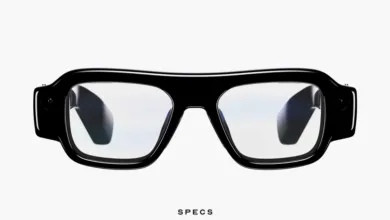
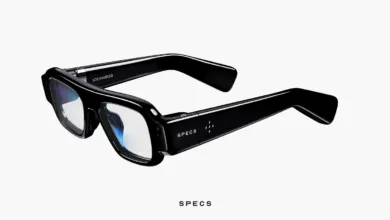
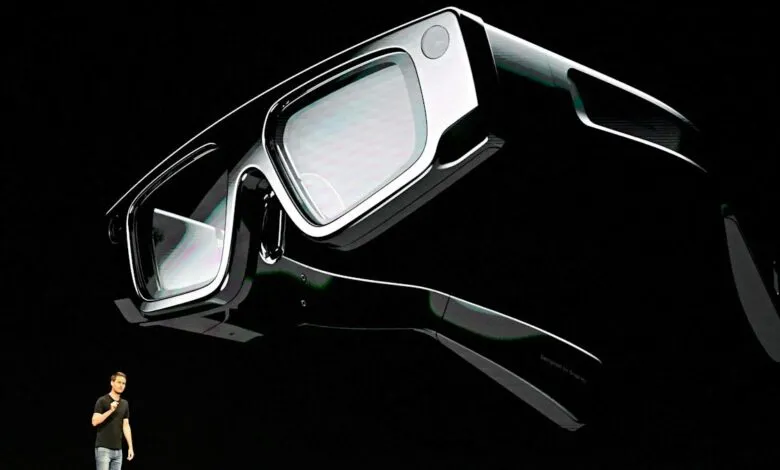
The numbers tell a tough story for Snap. On Tuesday, CEO Evan Spiegel officially launched the next-generation Specs, marking the company’s first fully standalone, consumer-ready AR glasses. Priced at a premium $2,195, the wireless device features dual Qualcomm Snapdragon processors and proprietary display technology built directly into the frame. Users can project an adjustable virtual screen that ranges from a 24-inch desktop monitor for work to a massive 115-inch theater display.
Since the big reveal, Snap stock has taken a hit. Shares have dropped 10% over the past two trading sessions, falling below $5 for the first time since mid-April.
Snap’s public market journey has been one of the most painful in the tech sector. The company debuted on the New York Stock Exchange on March 2, 2017, at $17 per share. After a 44% surge on its first day to close at $24.48, the stock has since spiraled downward, losing more than 95% of its value from its pandemic-era peak of $83 in 2021.
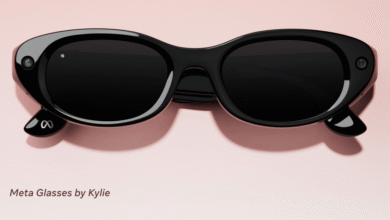
For context, Snap shares have plunged 93% over the past five years. Meanwhile, fellow AR glasses seller Meta (META) has seen its stock rise 73% during the same period, per Yahoo Finance AlphaSpace.
This value destruction has been earned through repeated quarters of poor execution. Snap posted a net loss of $460 million last year. In the first quarter of 2026, while sales grew 26% year-over-year, the company still reported a net loss of $89 million.
(Source: Yahoo Entertainment)